Low-poly roads and street props for three.js
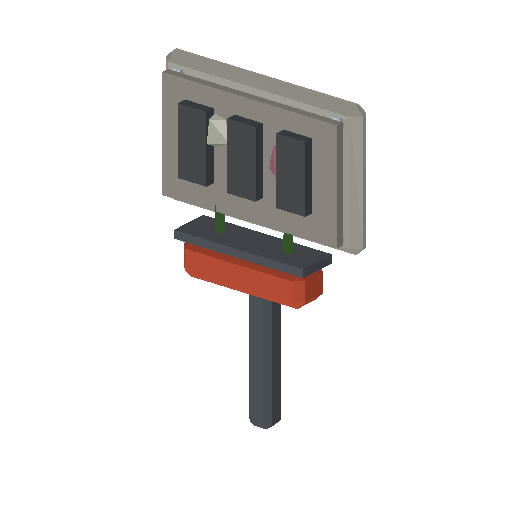
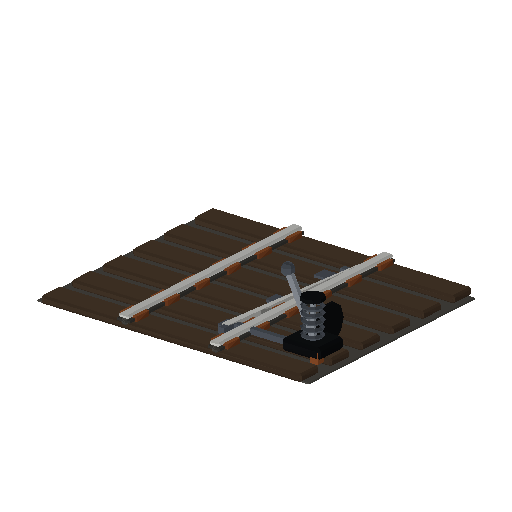
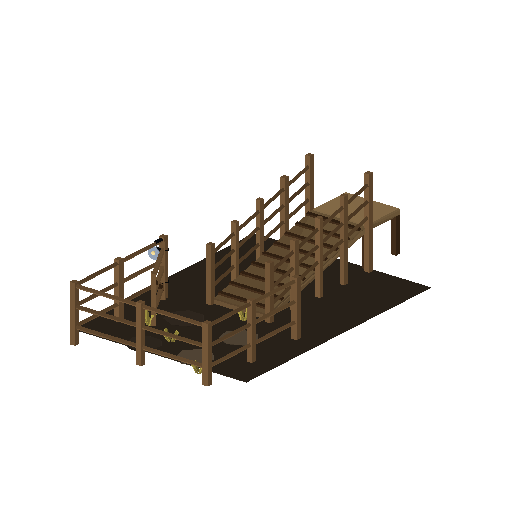
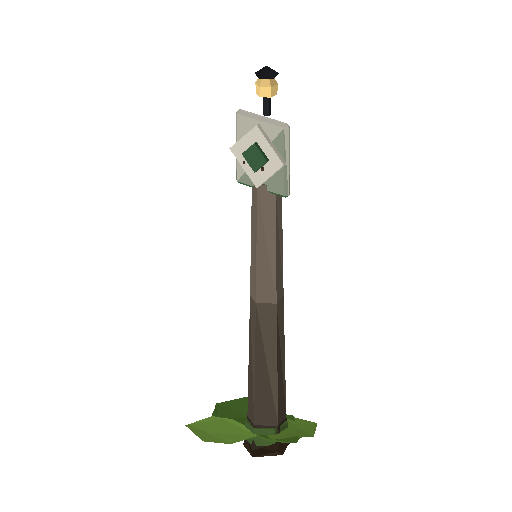
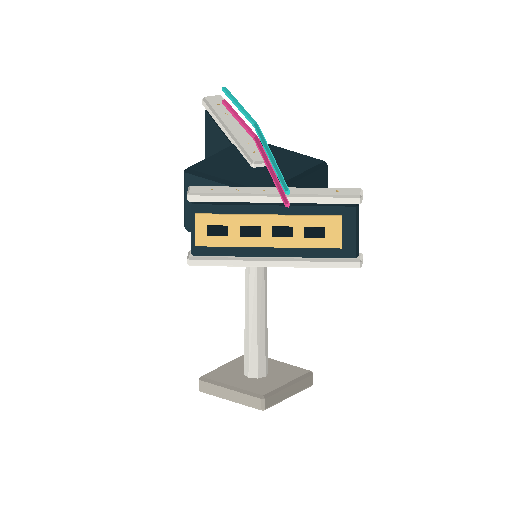
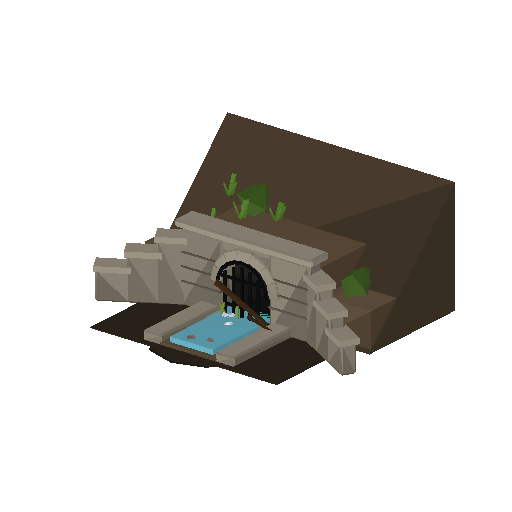
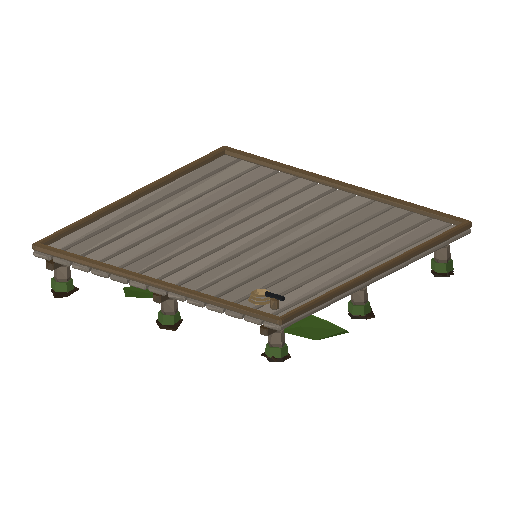
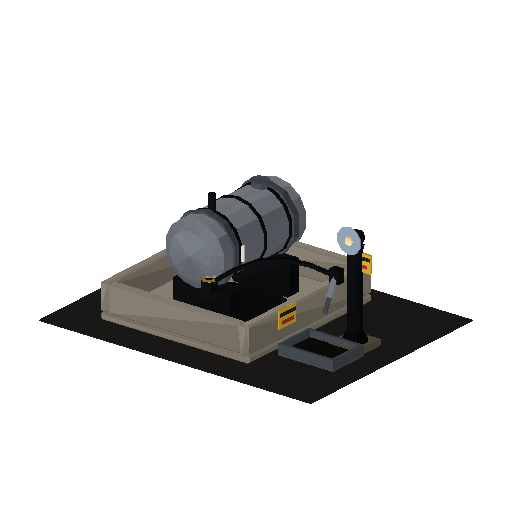
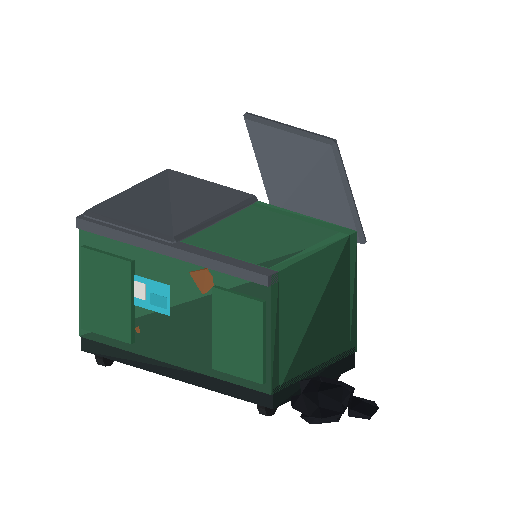
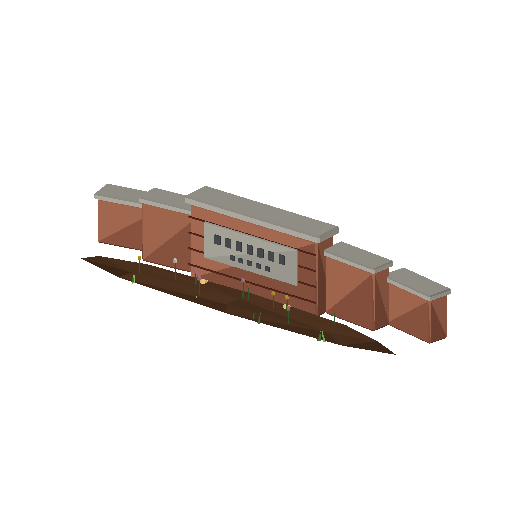
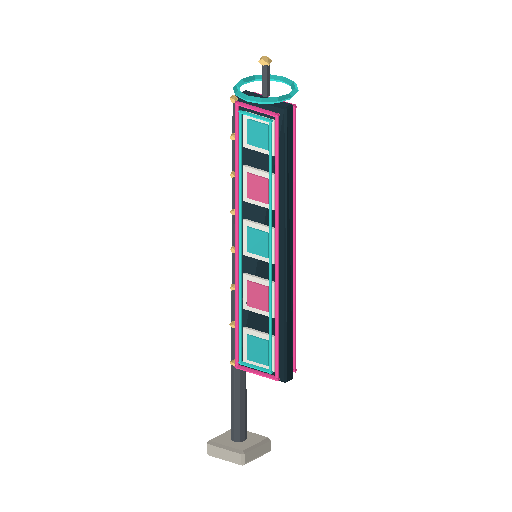
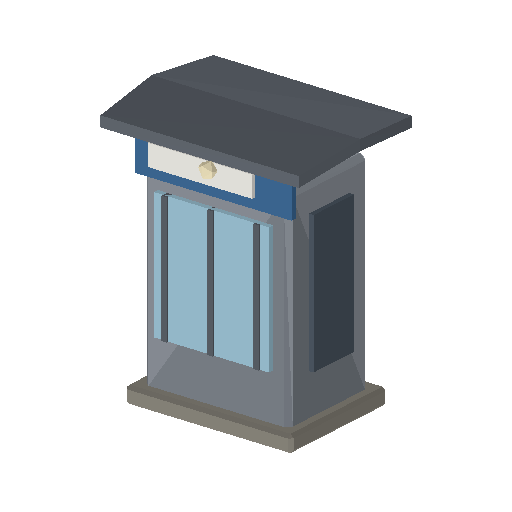
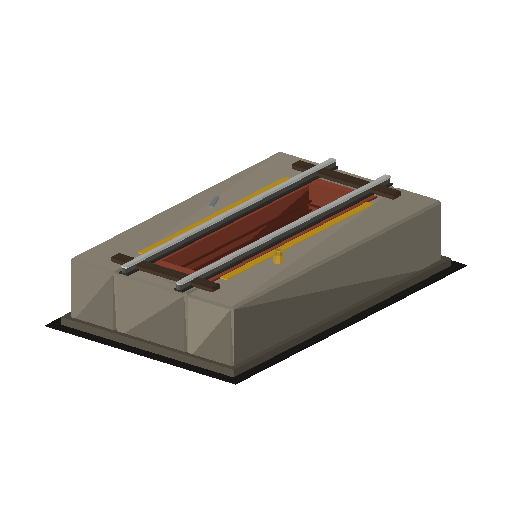
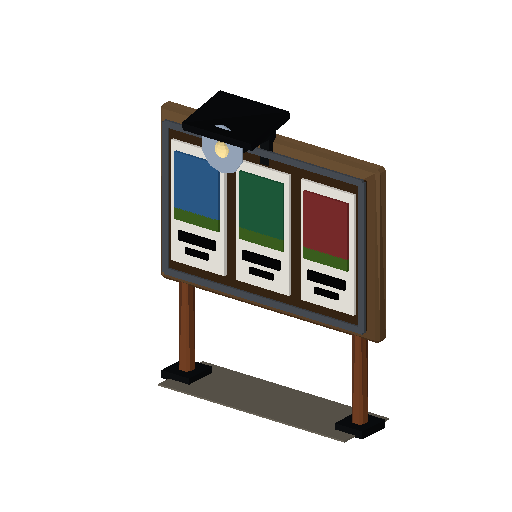
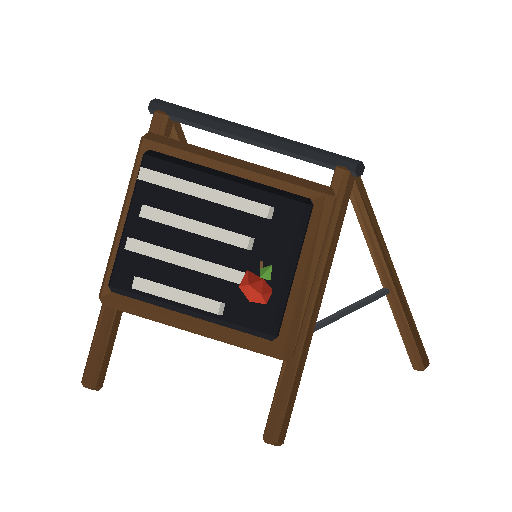
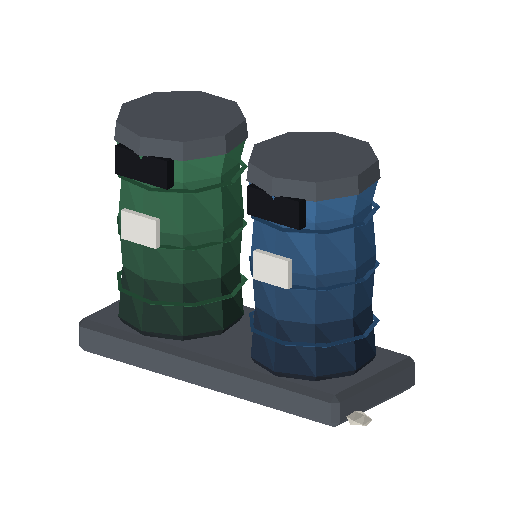
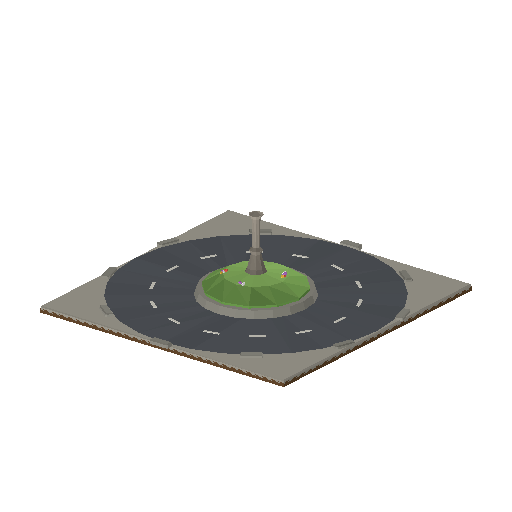
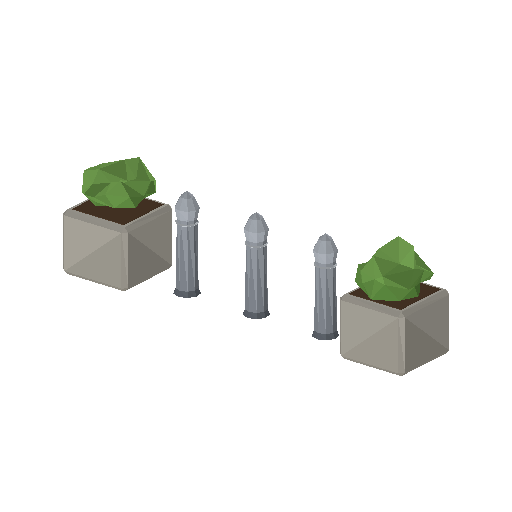
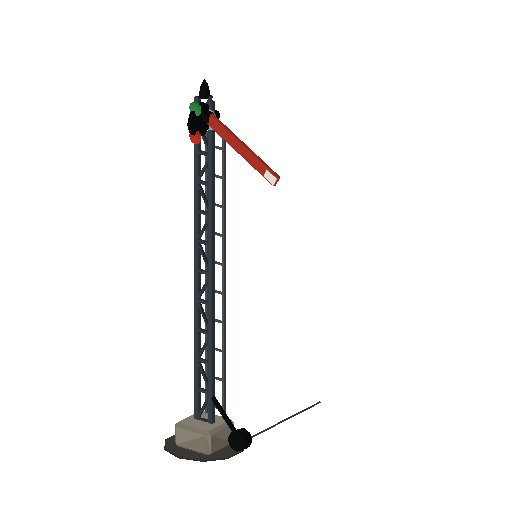
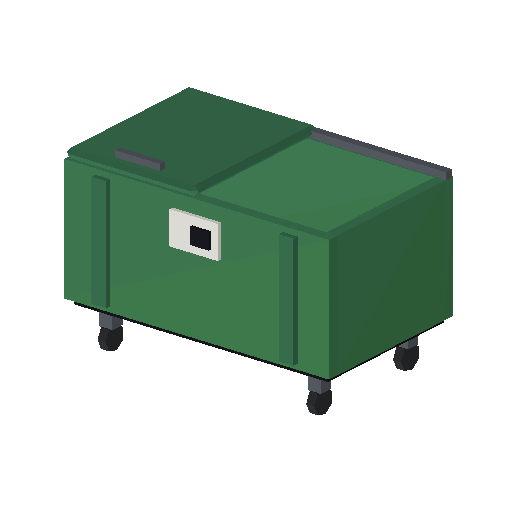
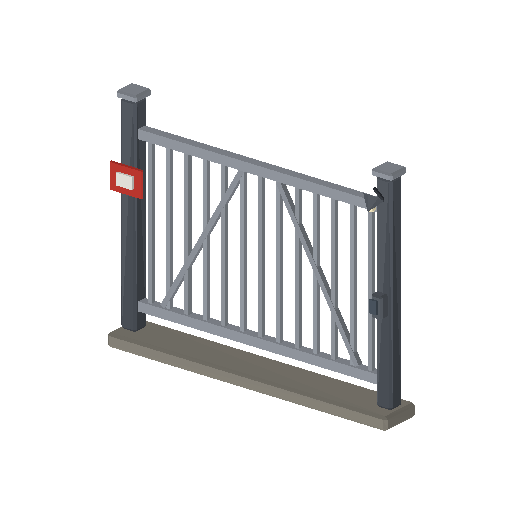
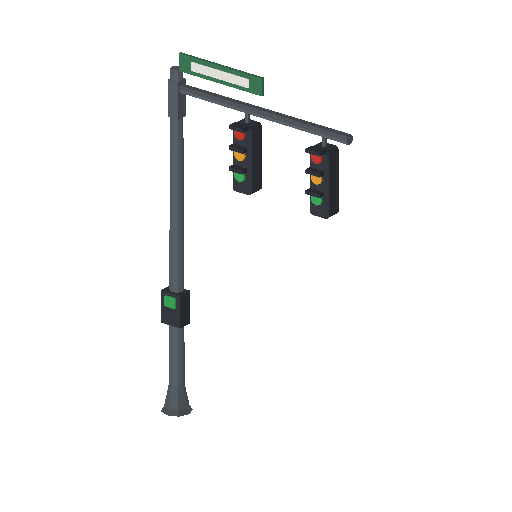
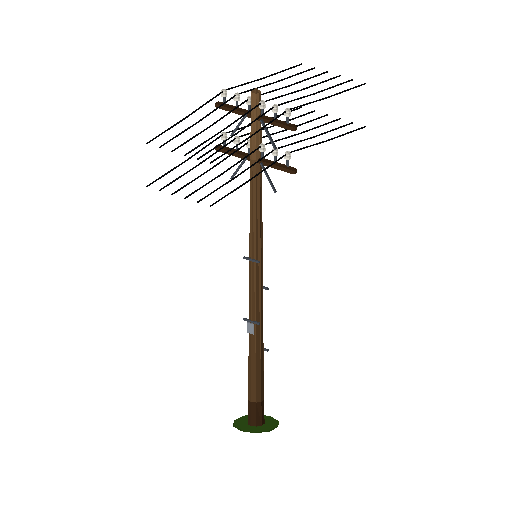
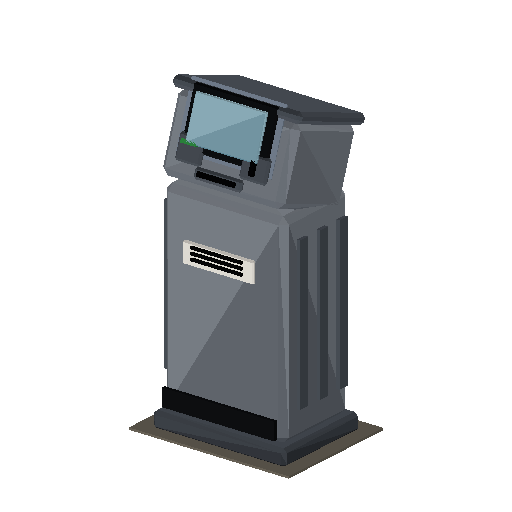
This is the modular half of the library: 229 road pieces and the furniture that dresses them — straights, corners, junctions, footways and kerb ramps, plus the lamps, signals, shelters, bins, bollards, hydrants and signage that make a road read as a street. Check the module used by each pack before combining tiles. Recorded triangle counts span 136–57,716; recorded file sizes span 2.3 KiB–328.4 KiB. Free road and street models here: 138. Use the pack links below to find a matching themed set.

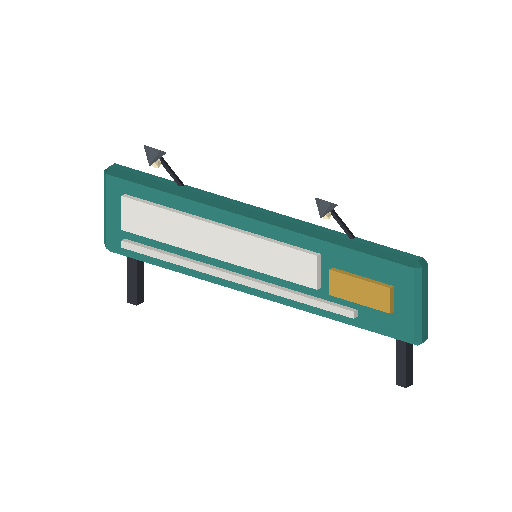
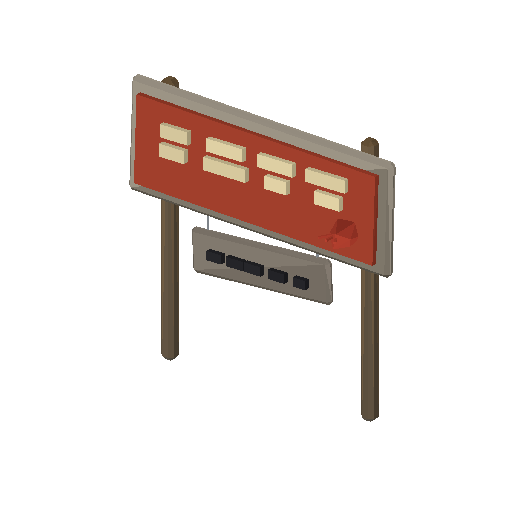
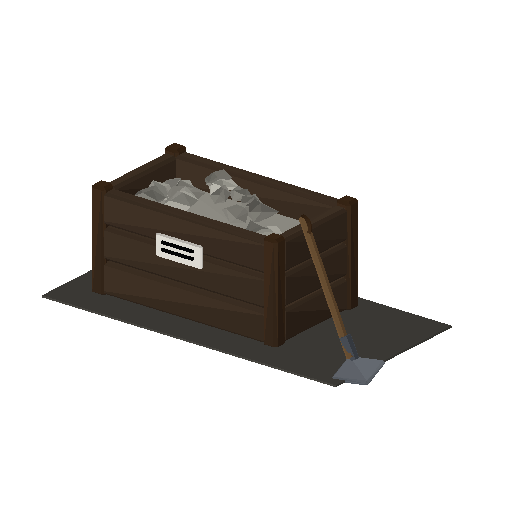
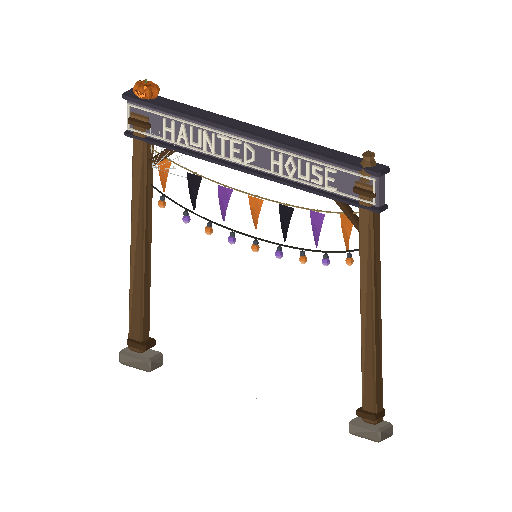
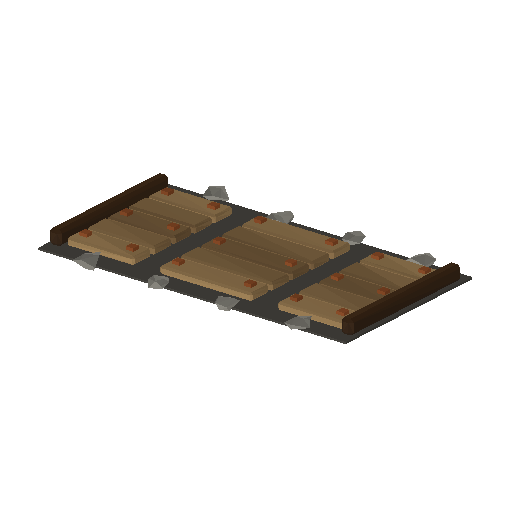
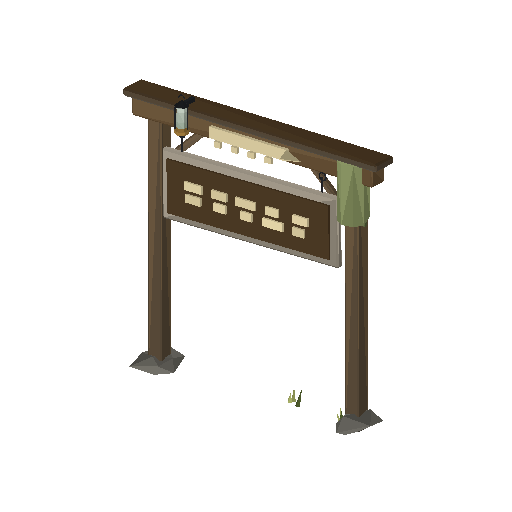
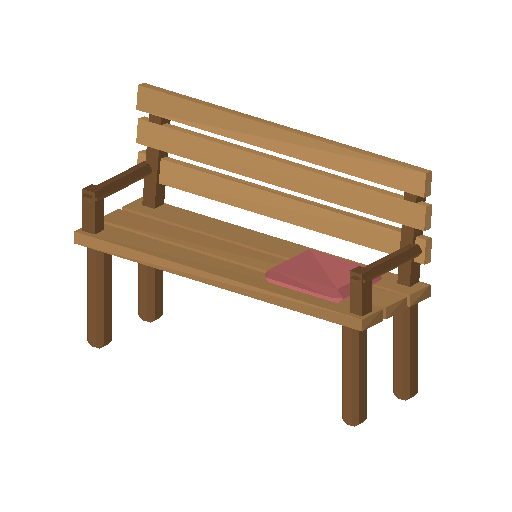
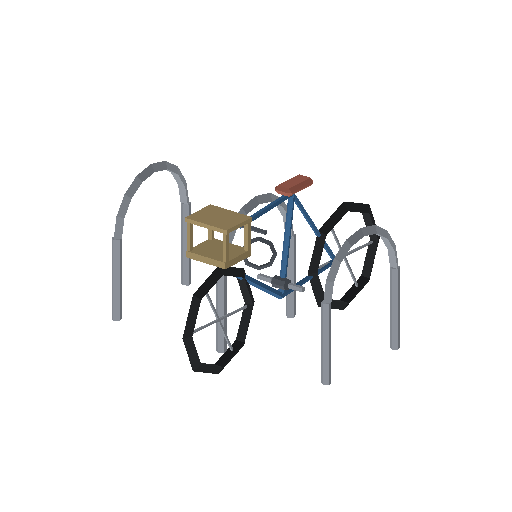

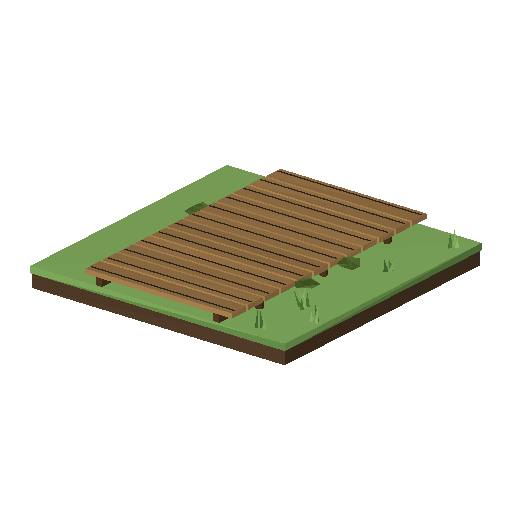
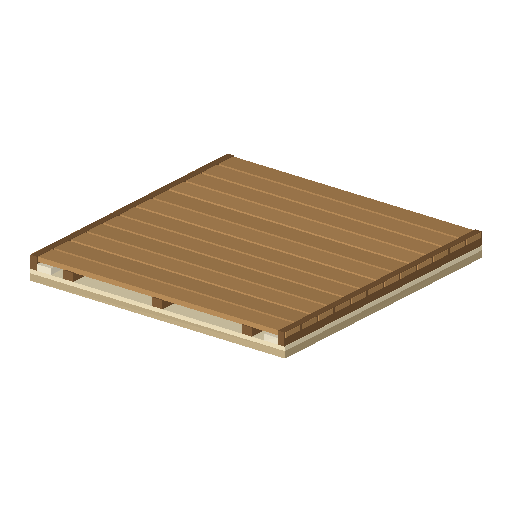
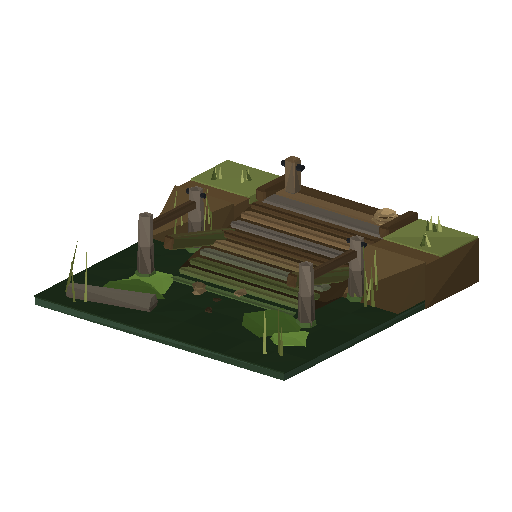
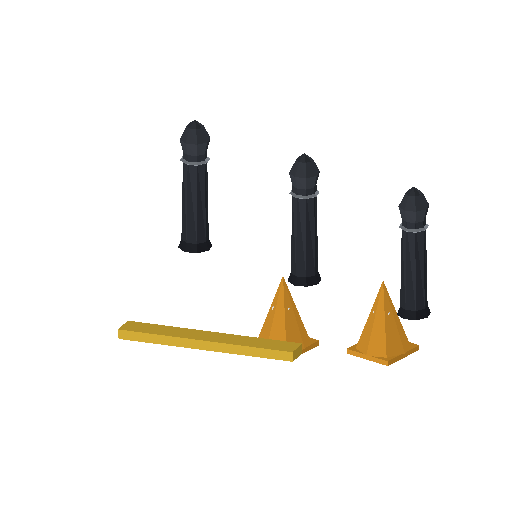
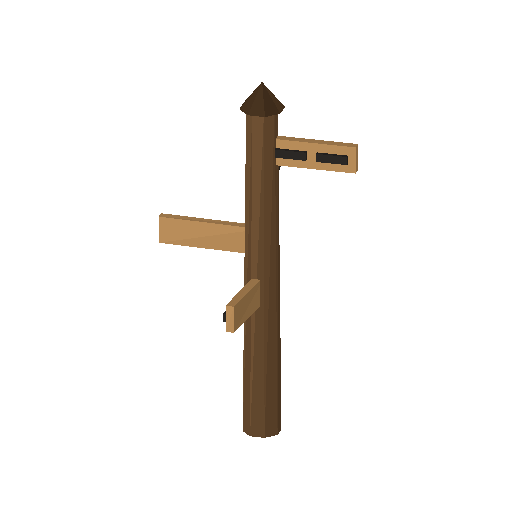
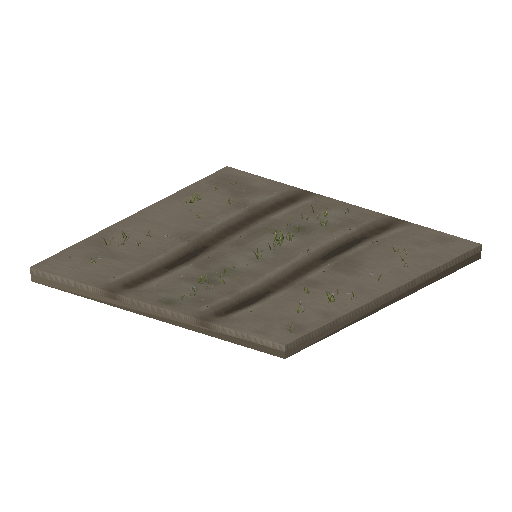
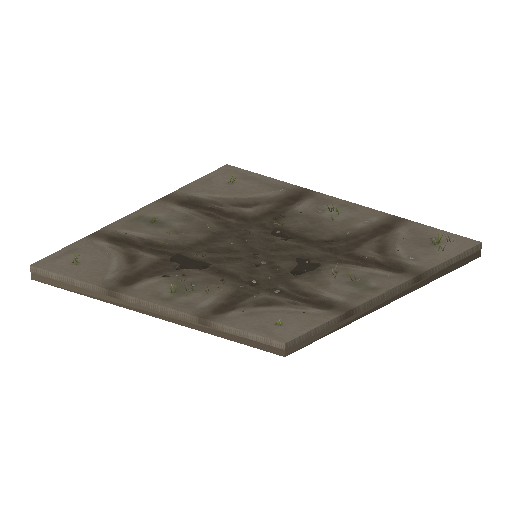
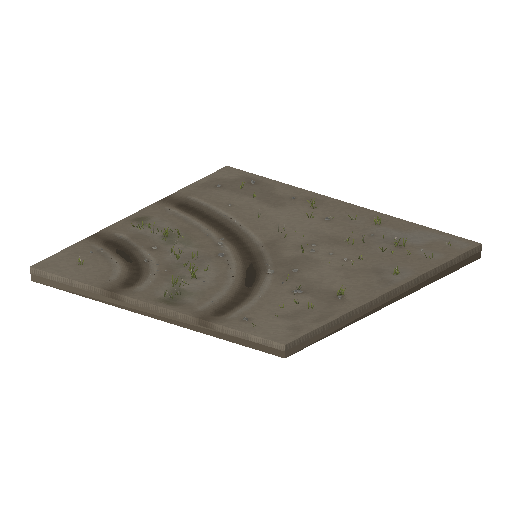
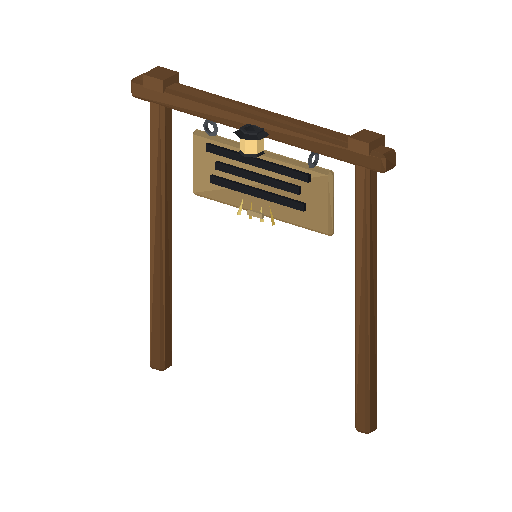
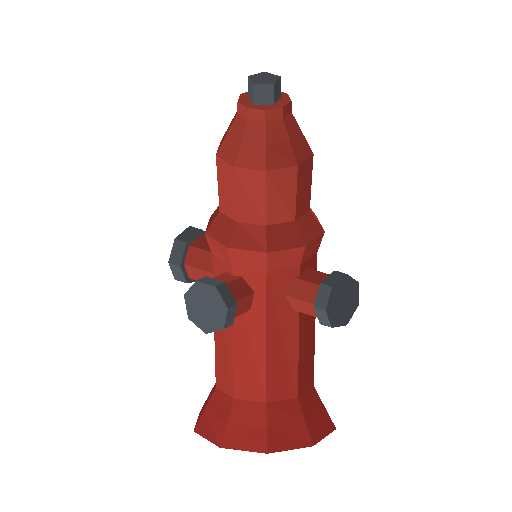
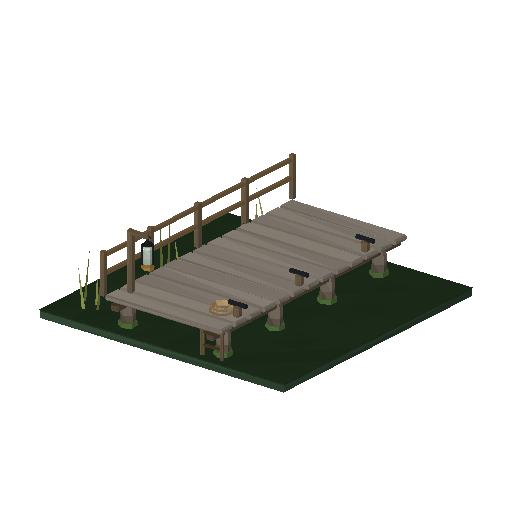
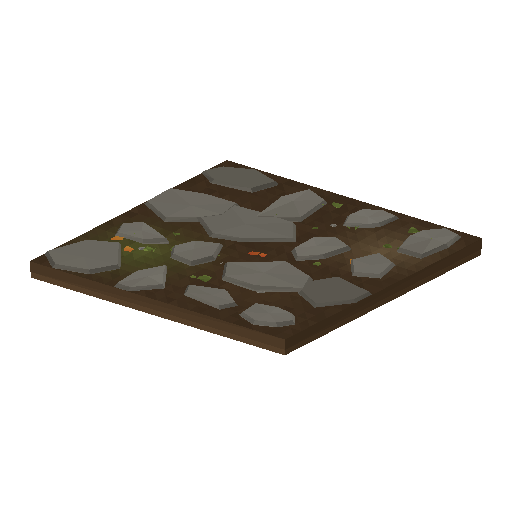
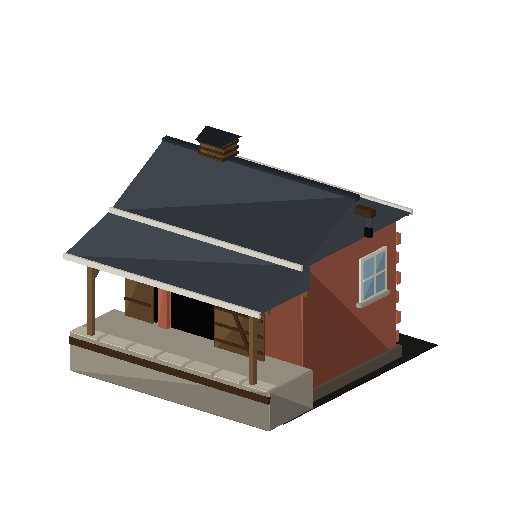
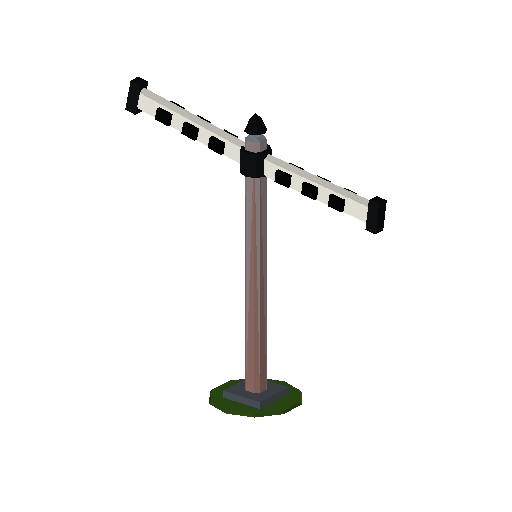
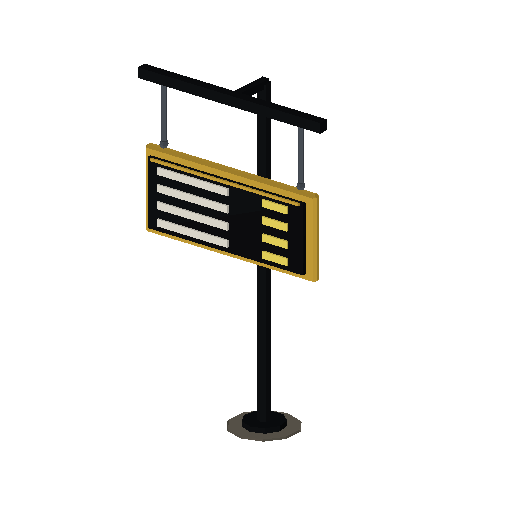
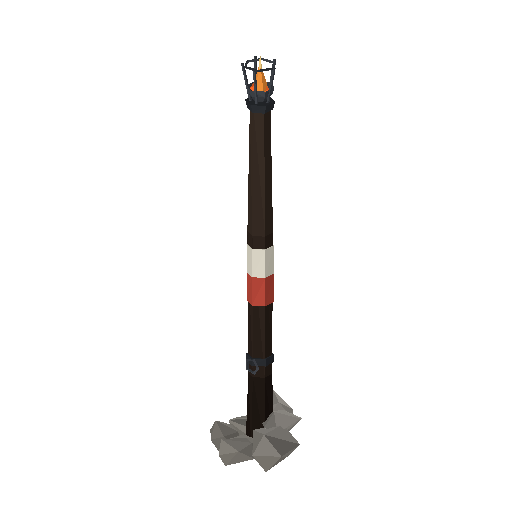
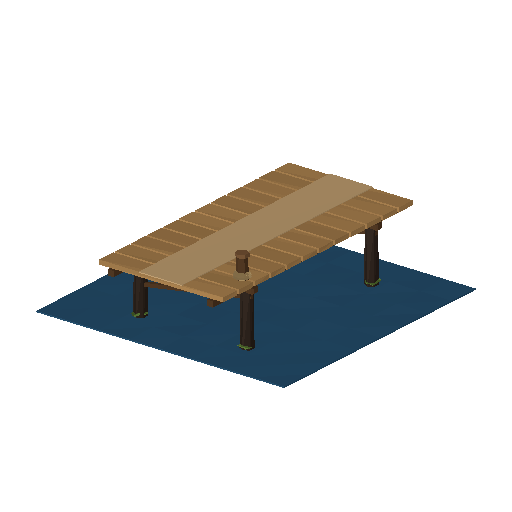
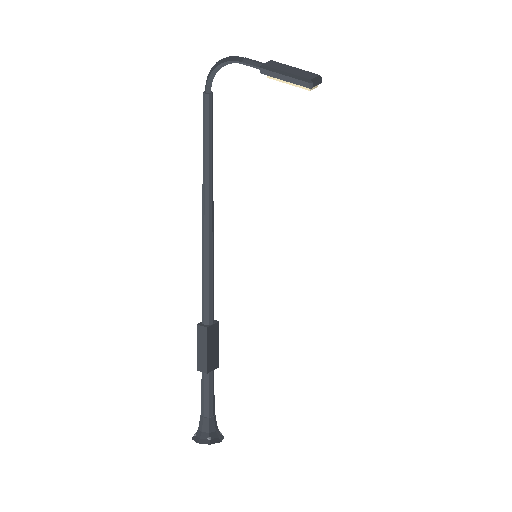
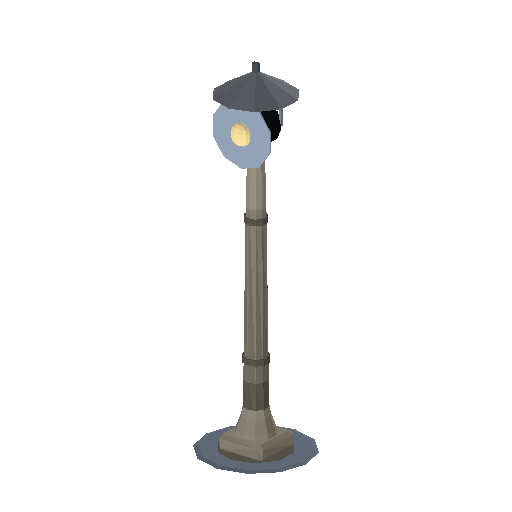
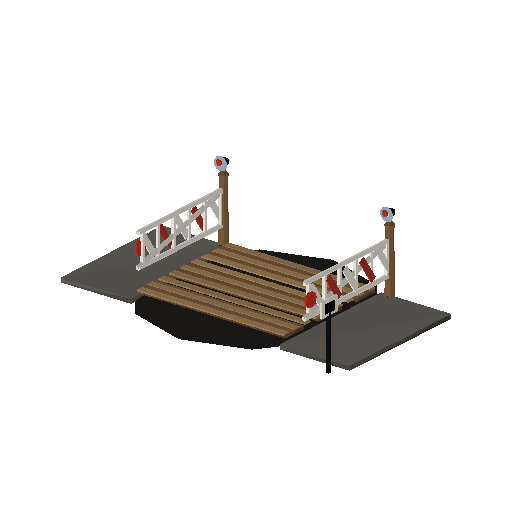
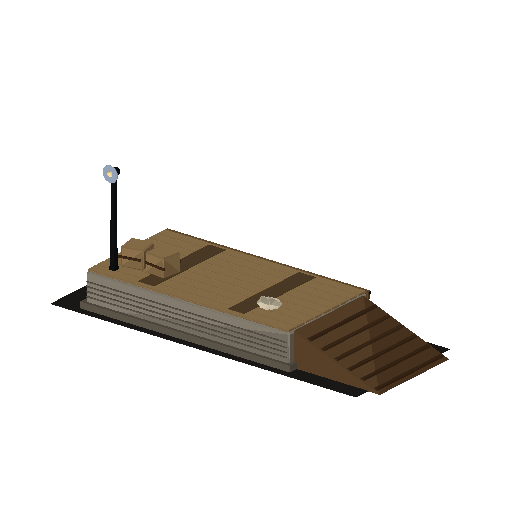
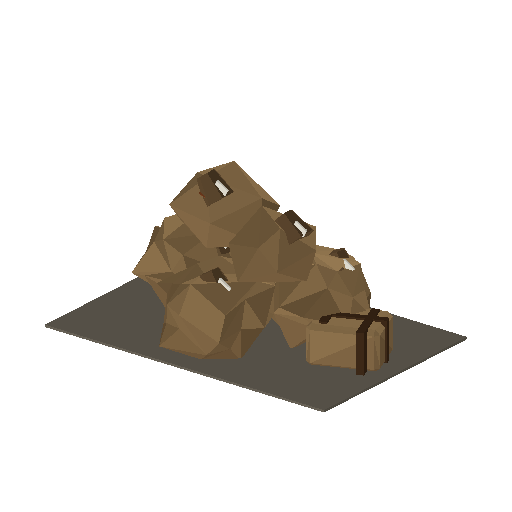

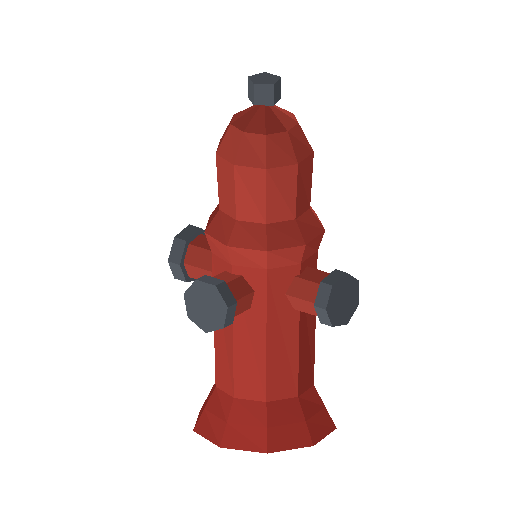

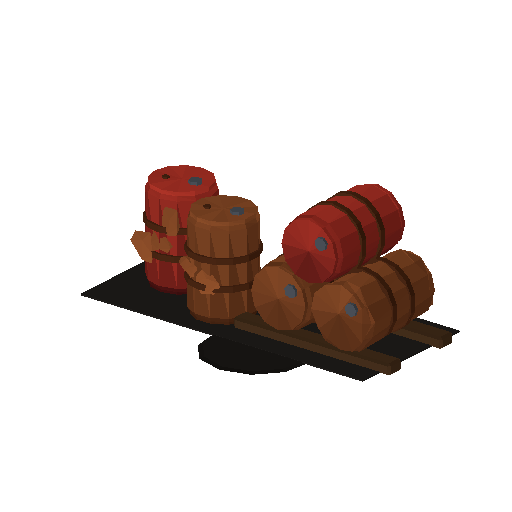
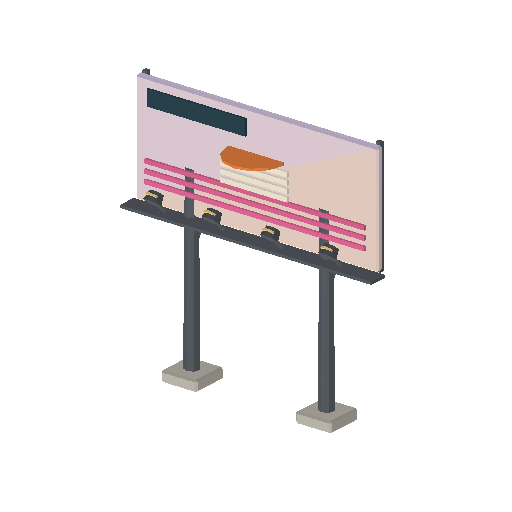
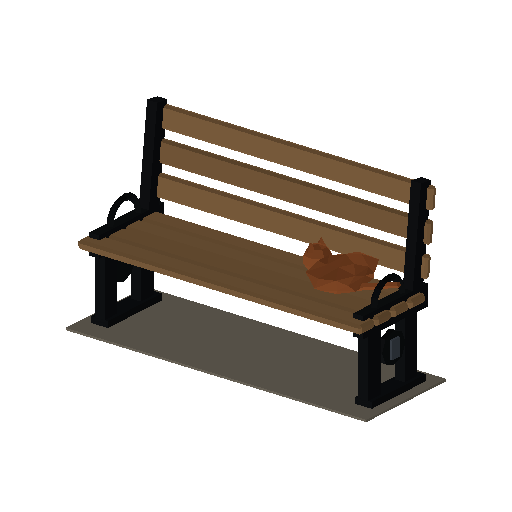
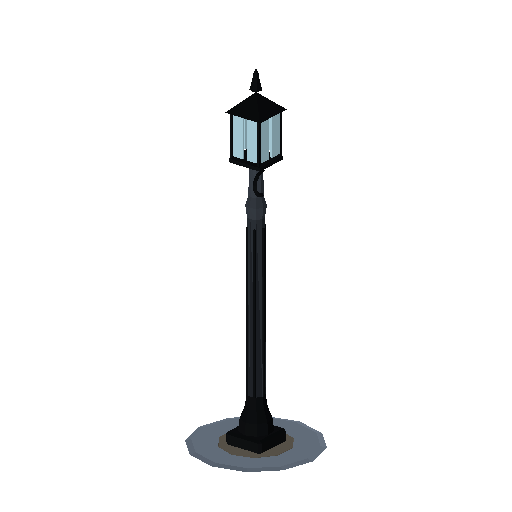


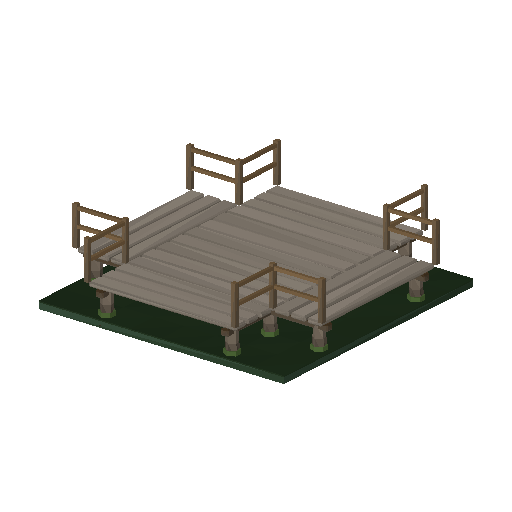
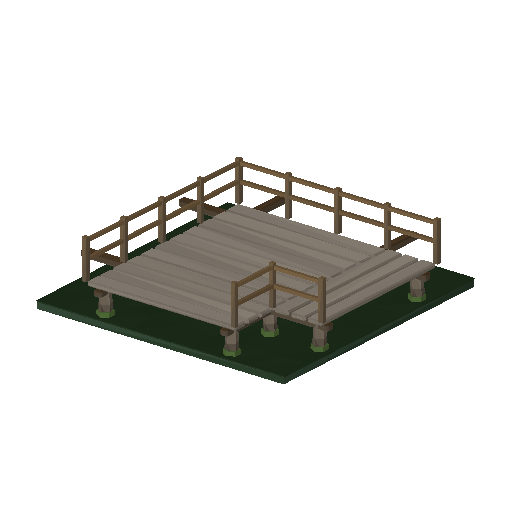
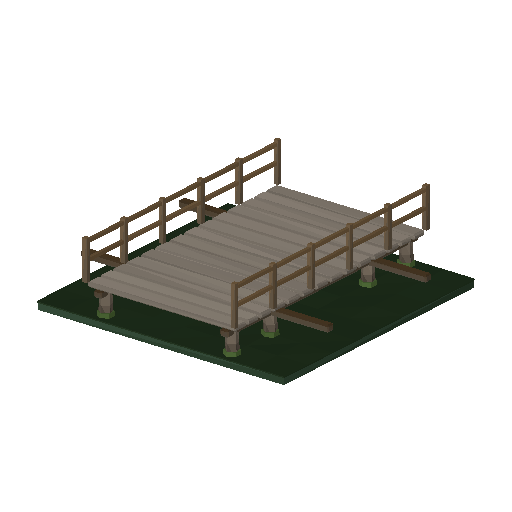
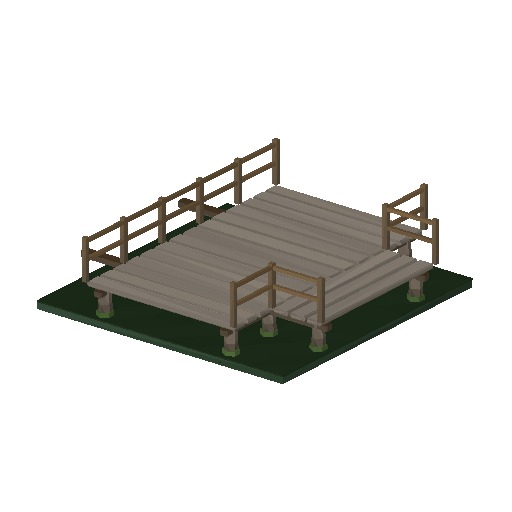
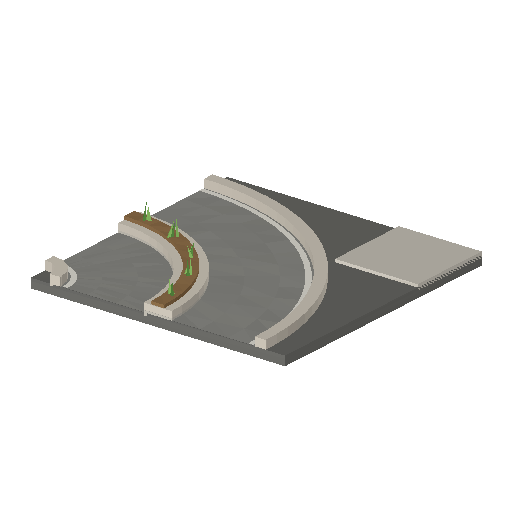
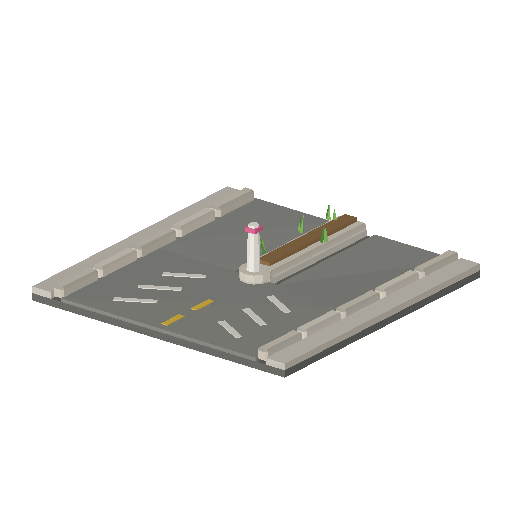
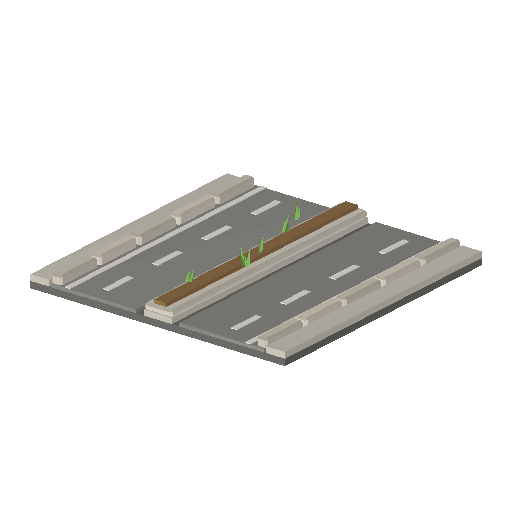
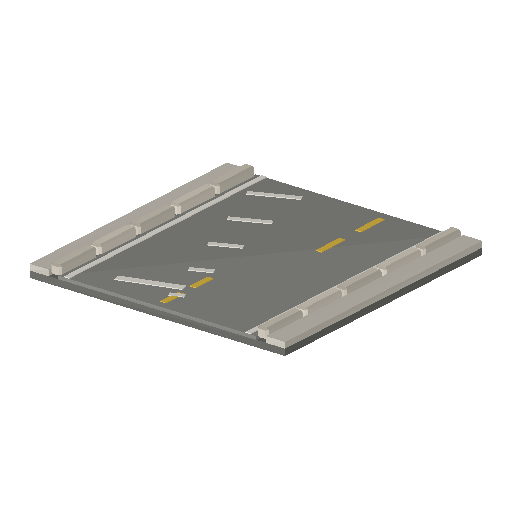
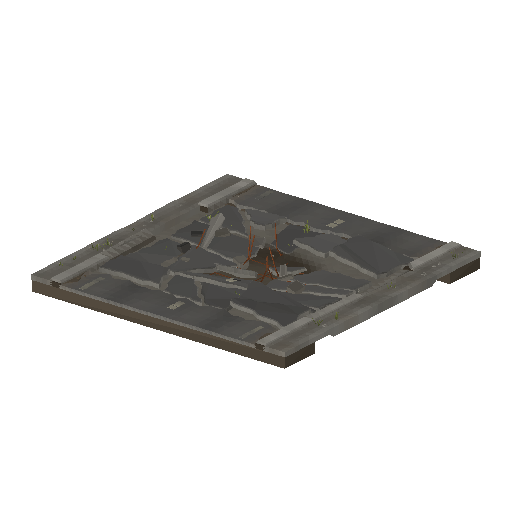
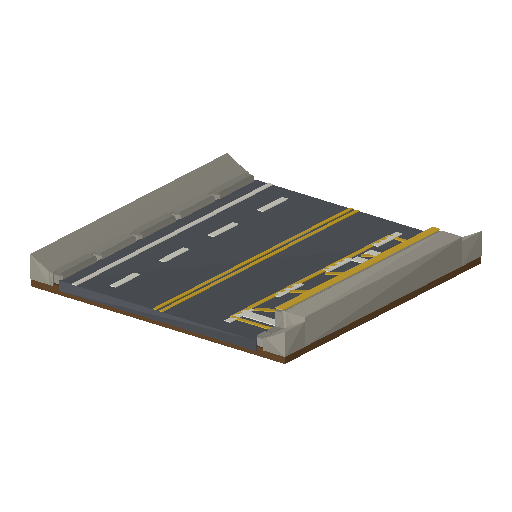
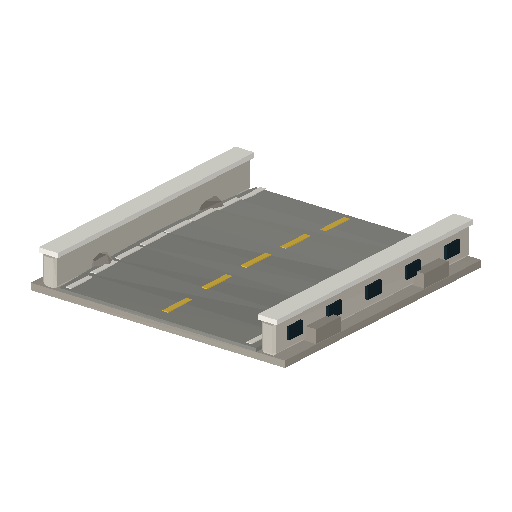
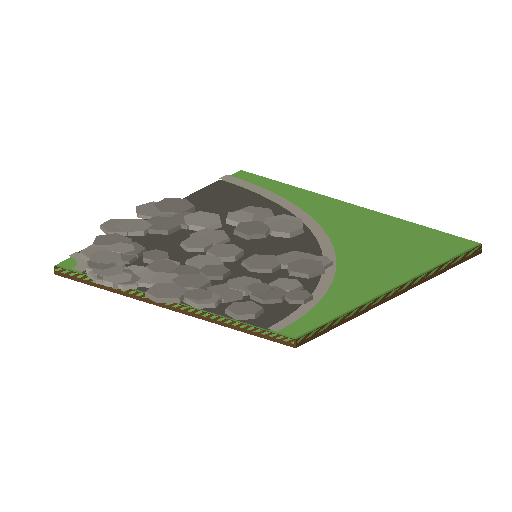
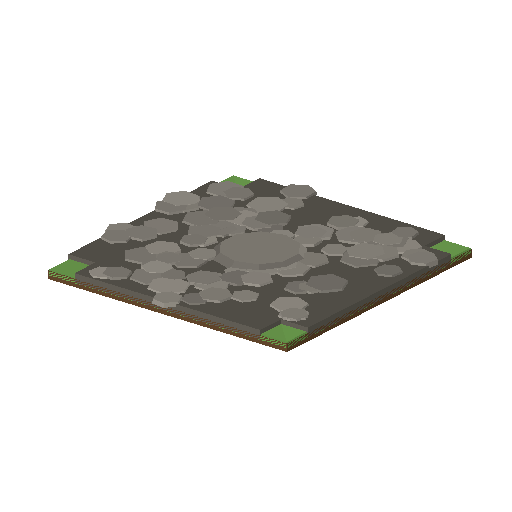
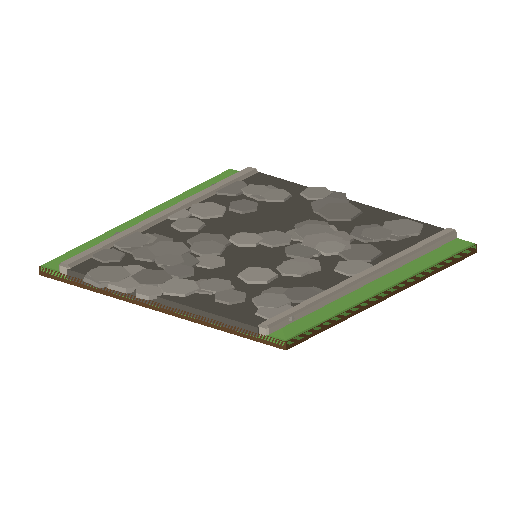
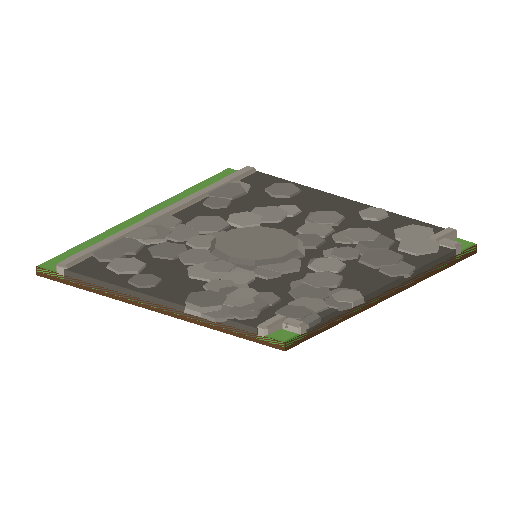
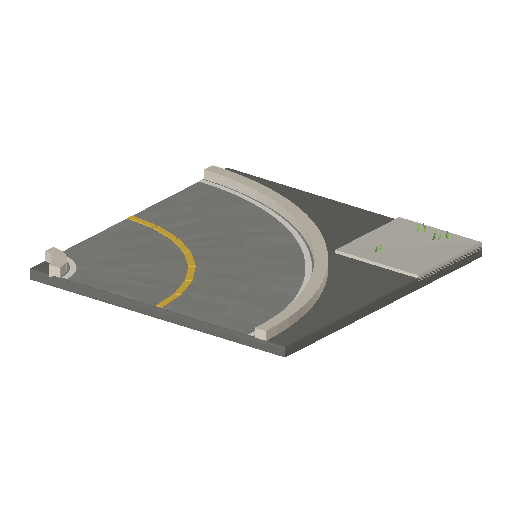
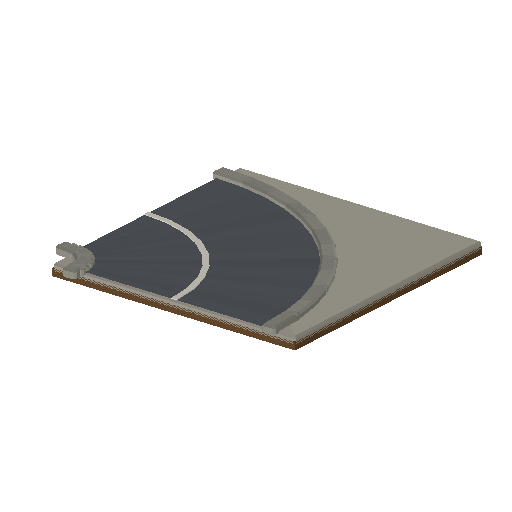
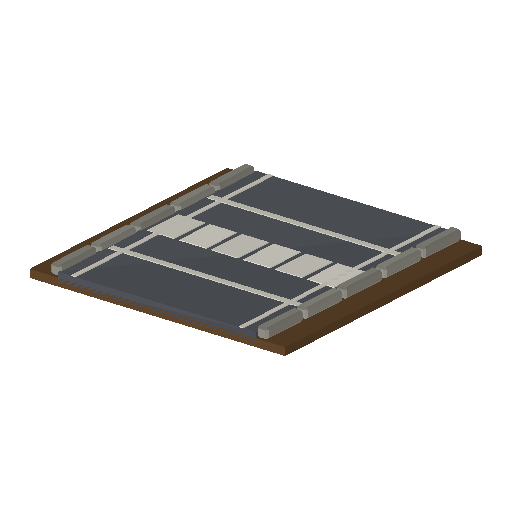
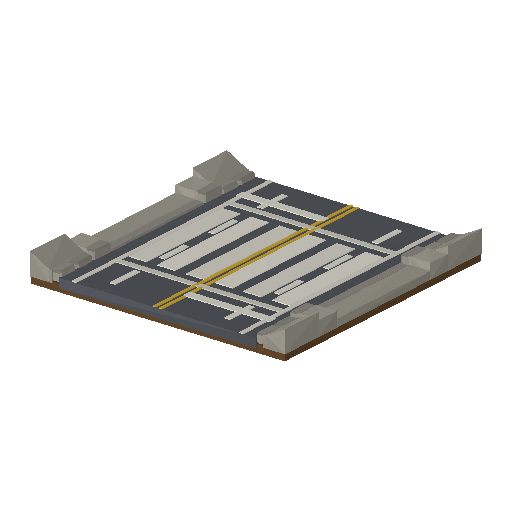
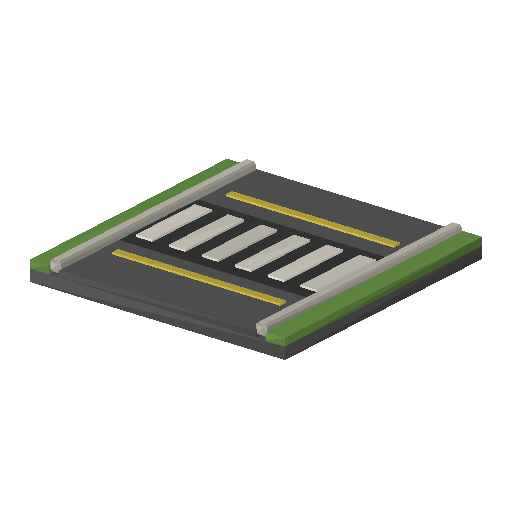
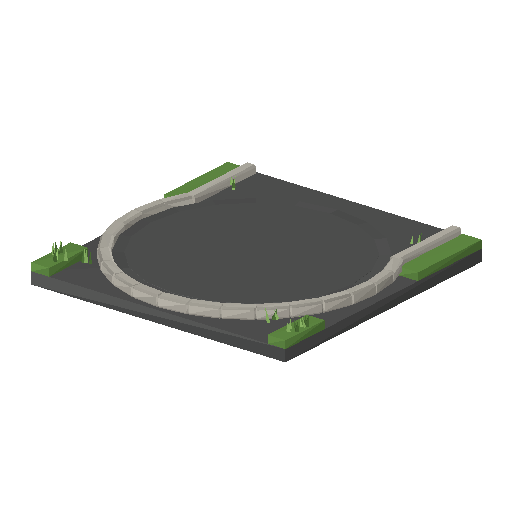
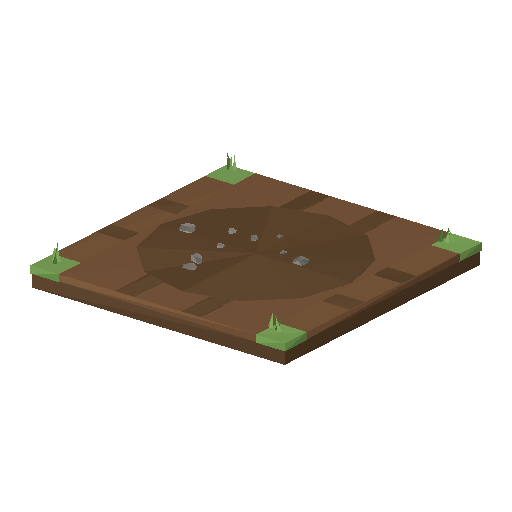
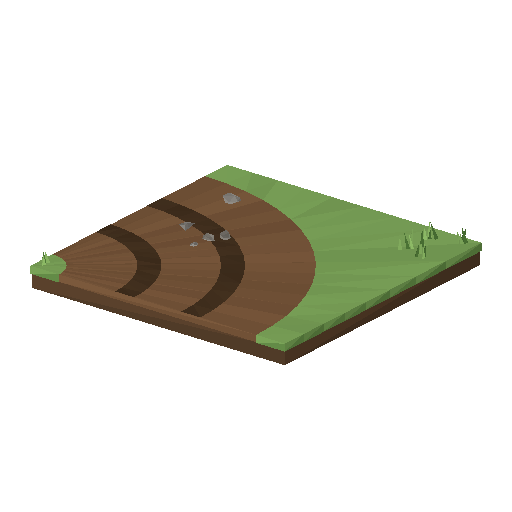
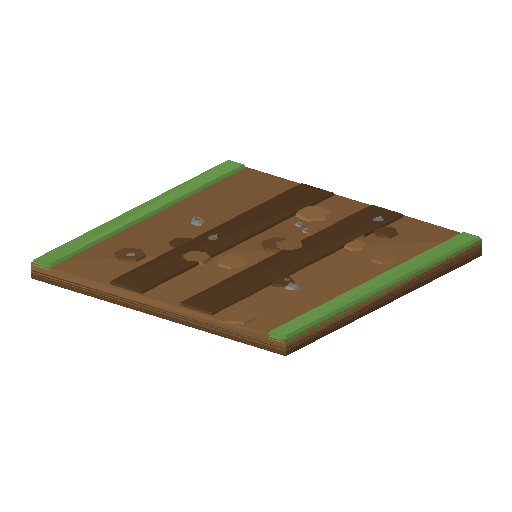
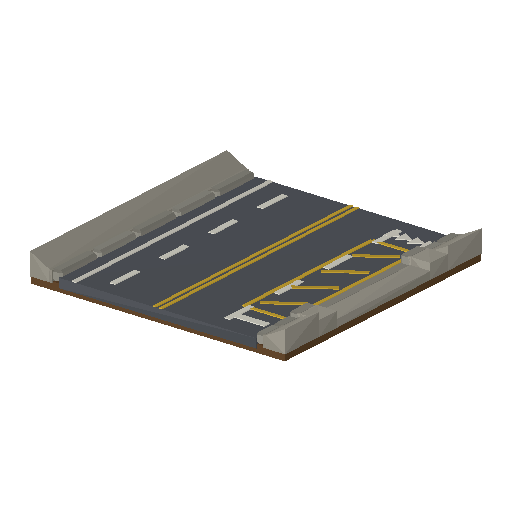
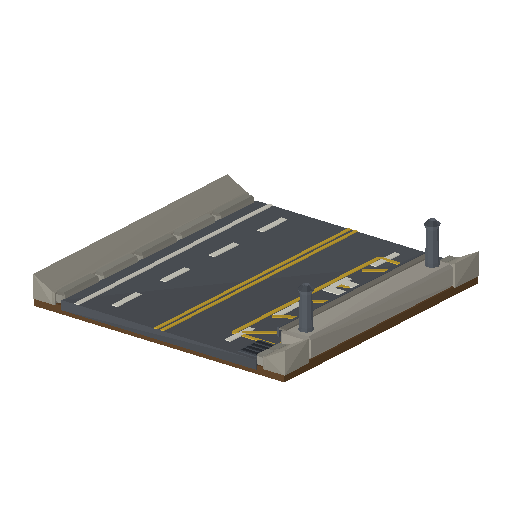
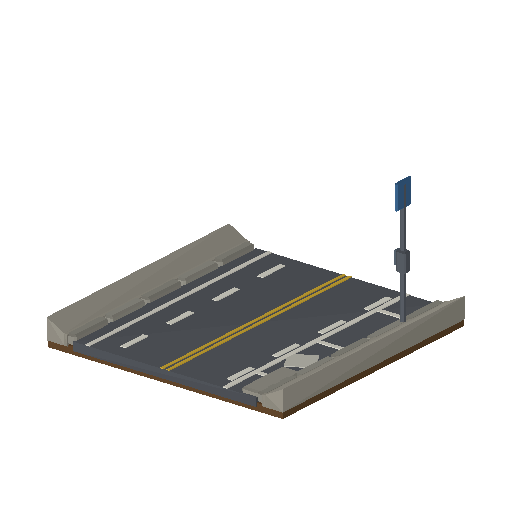
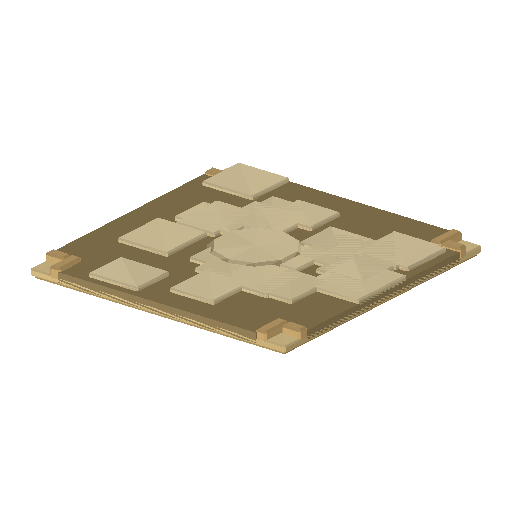
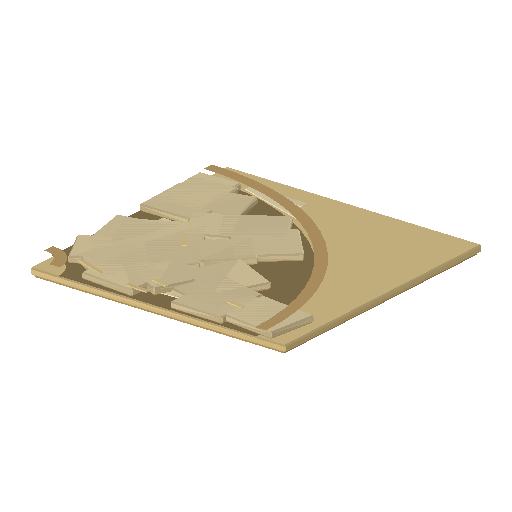
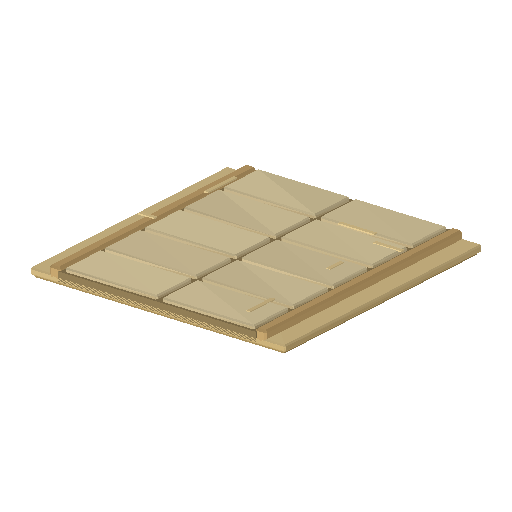
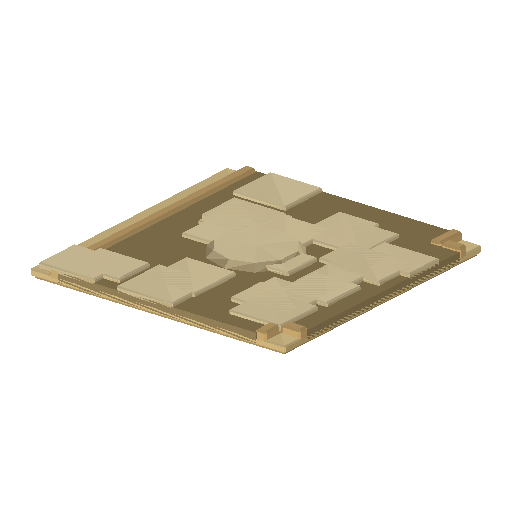
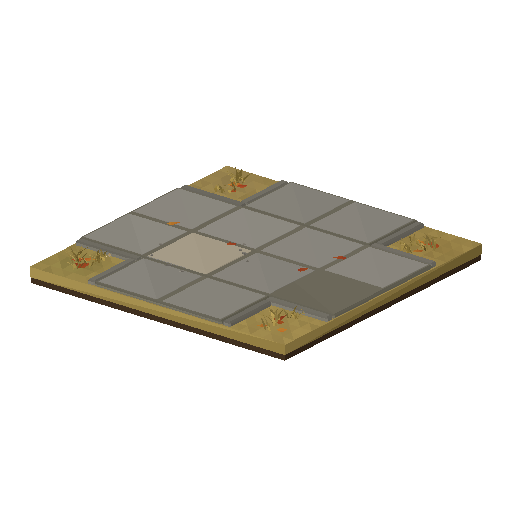
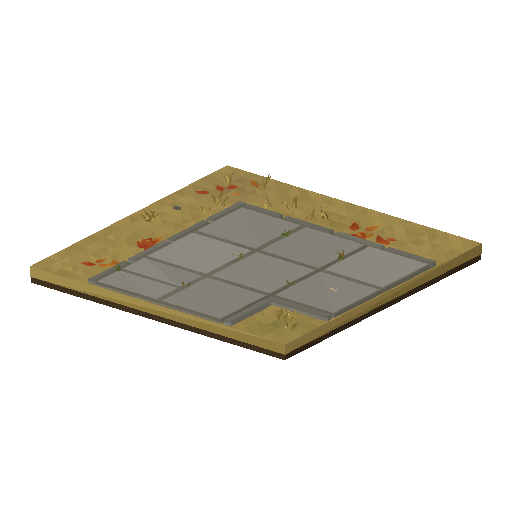
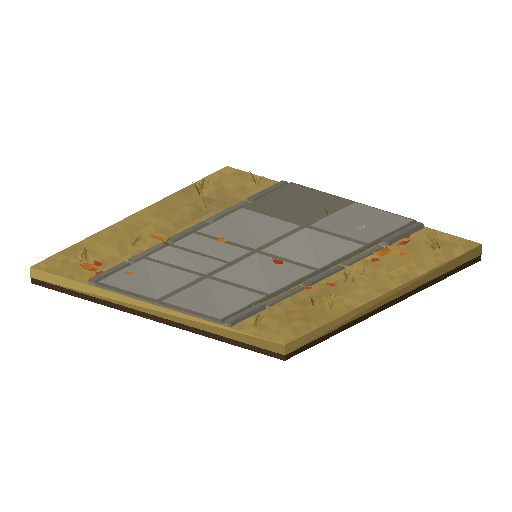
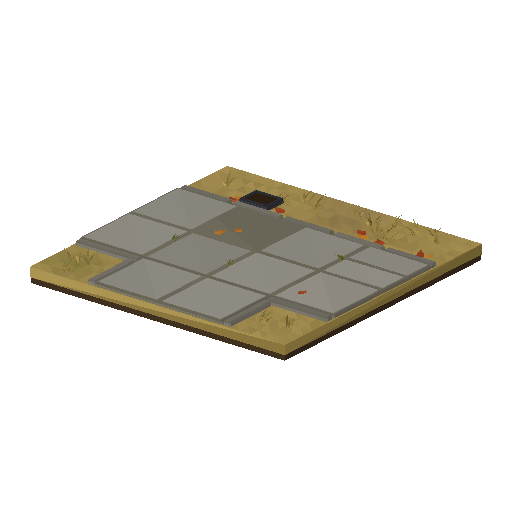
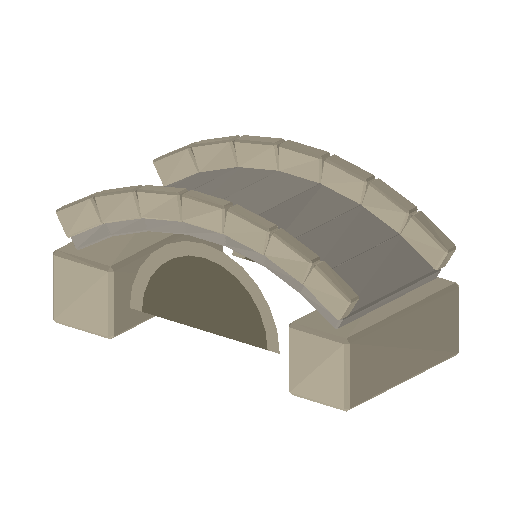
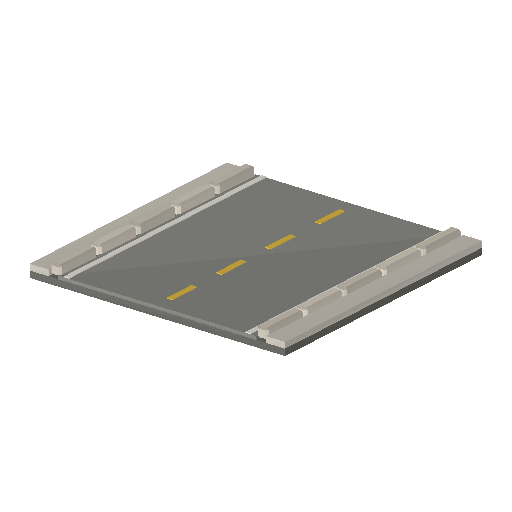
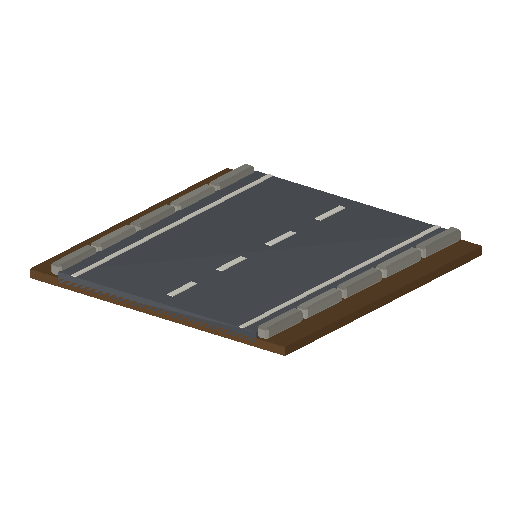
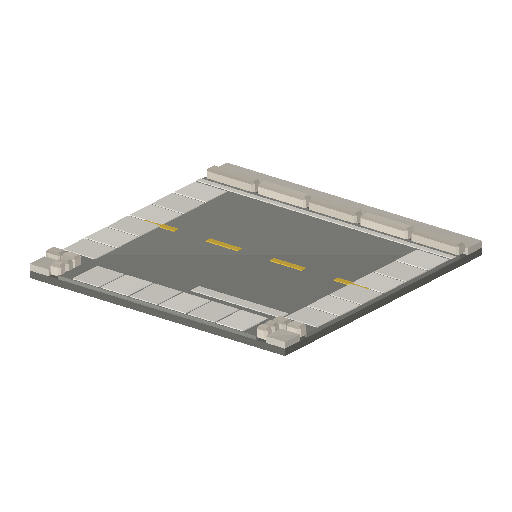
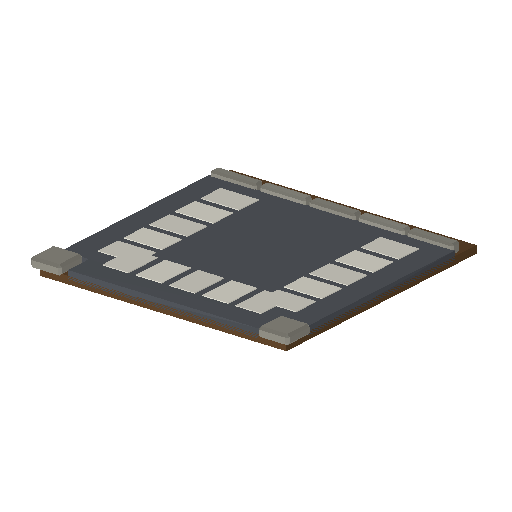
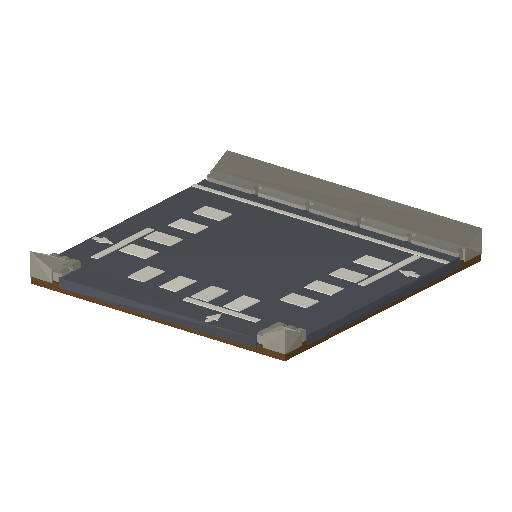
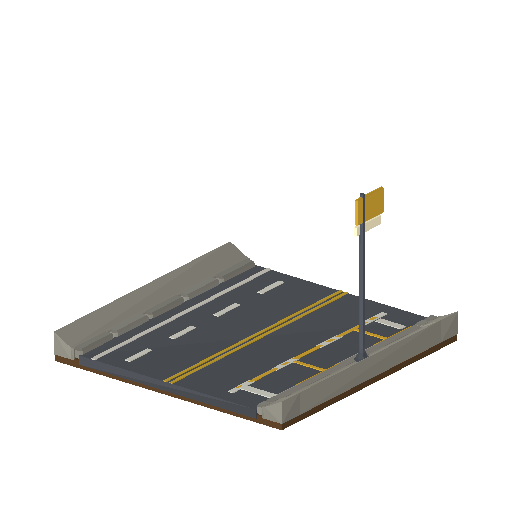
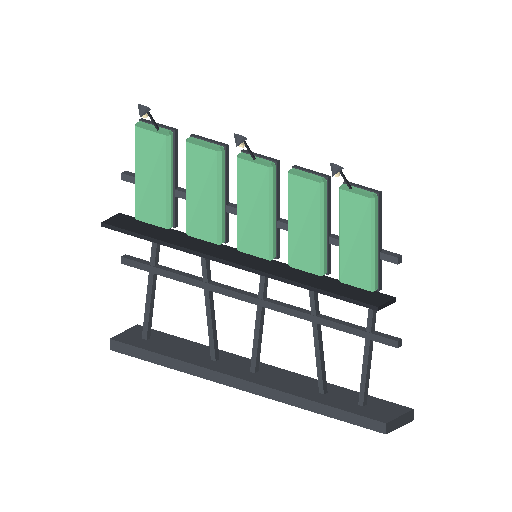
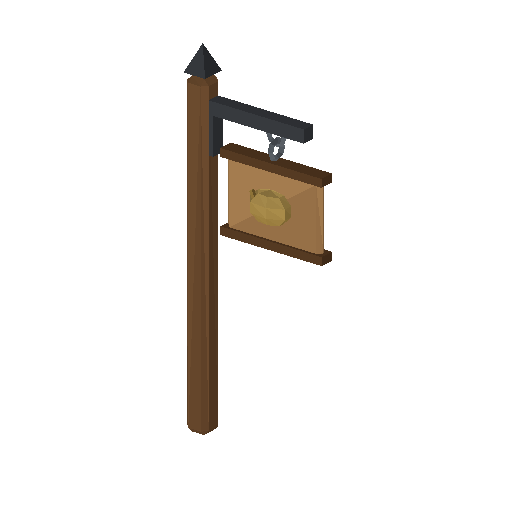
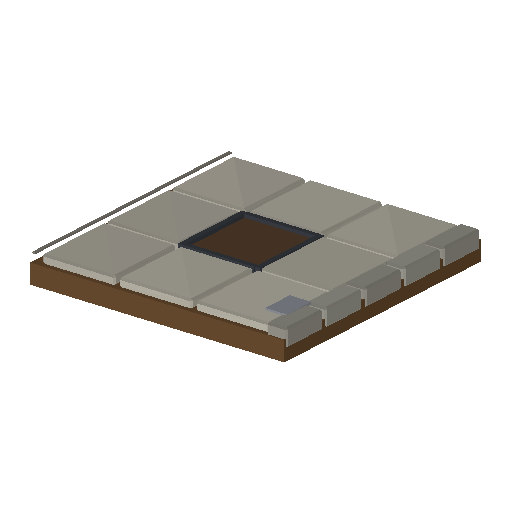
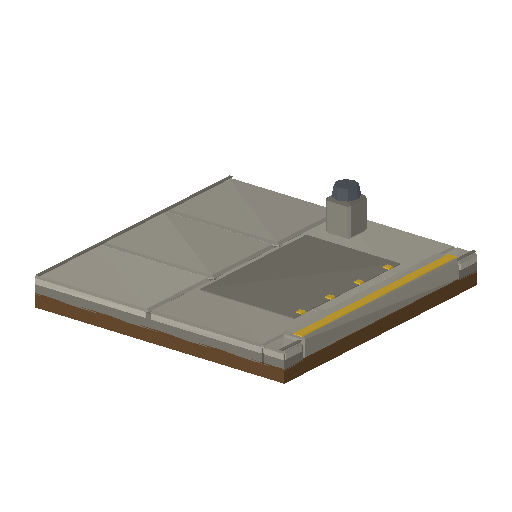
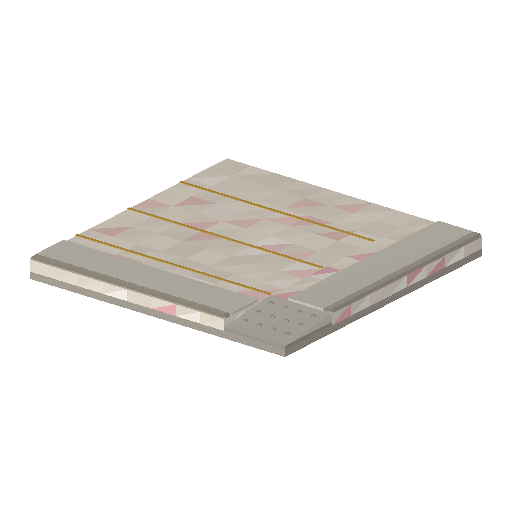
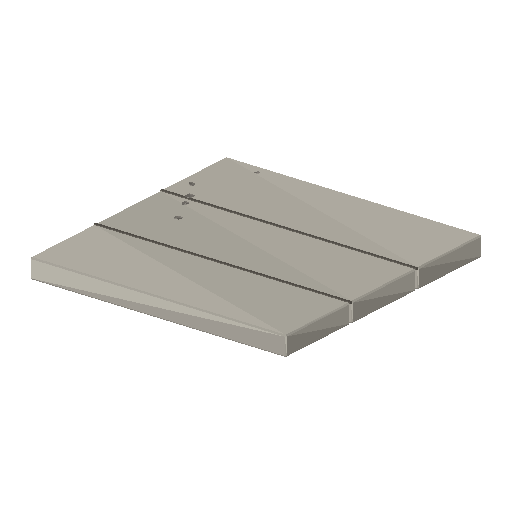
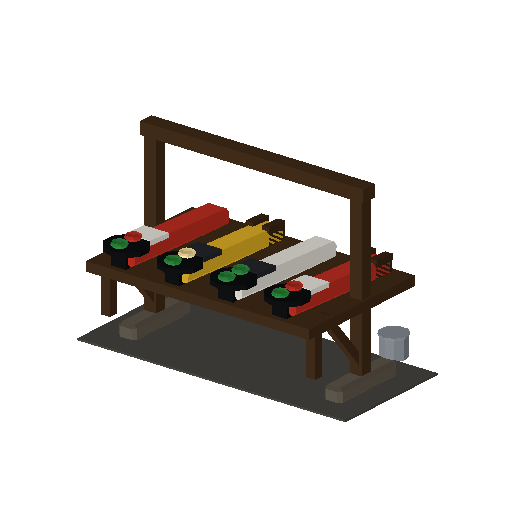
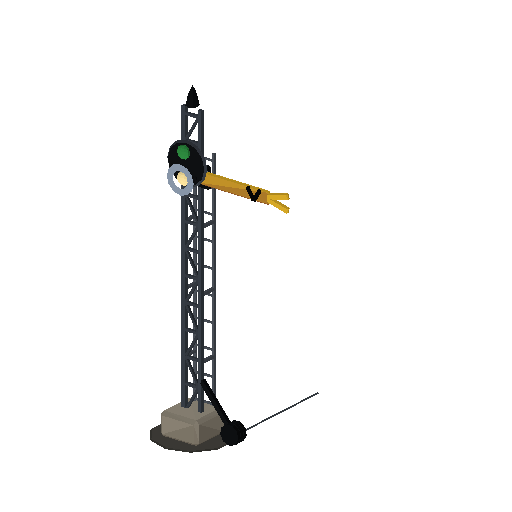
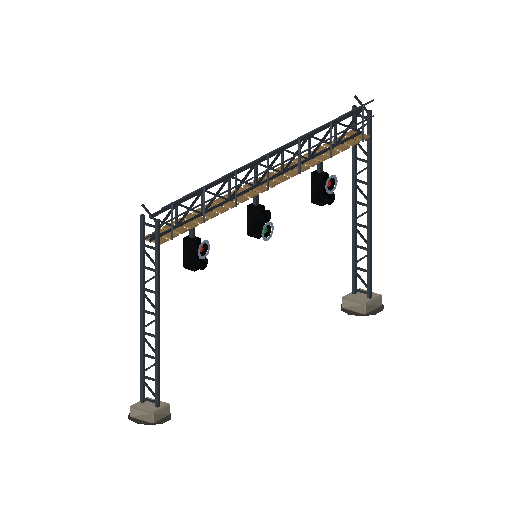
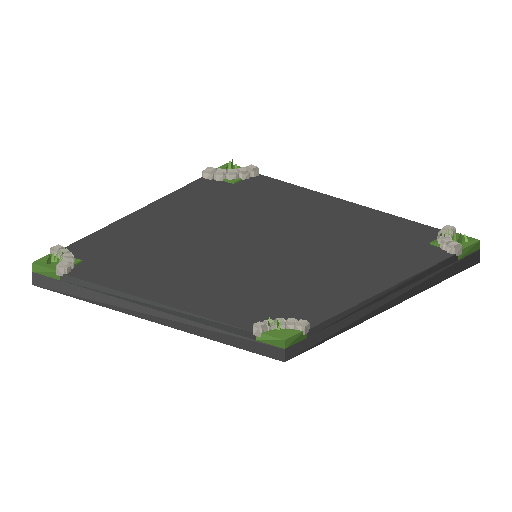
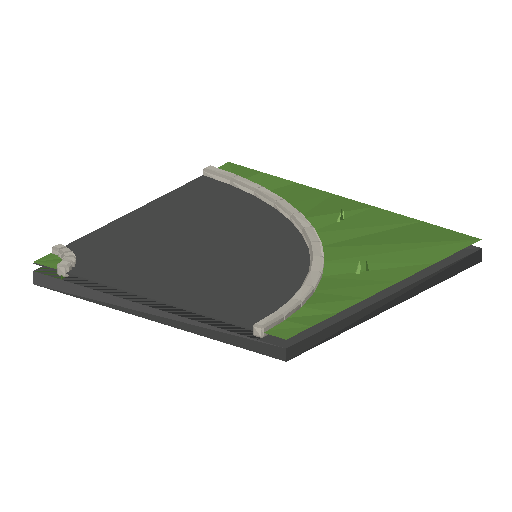
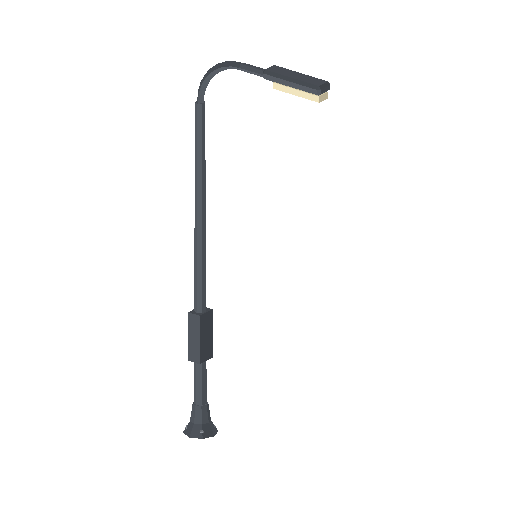
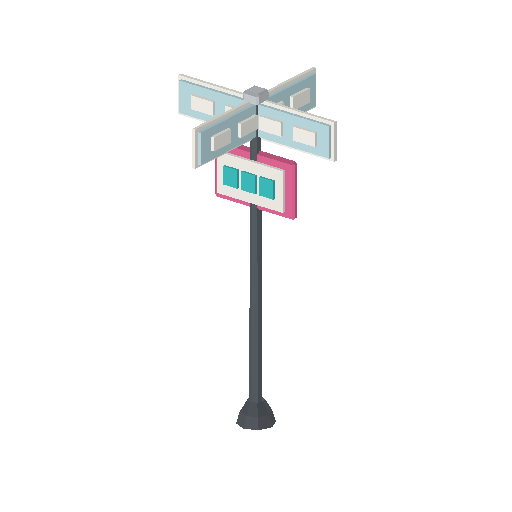
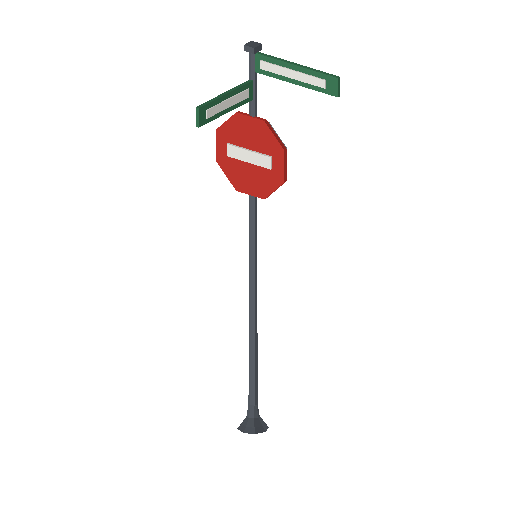
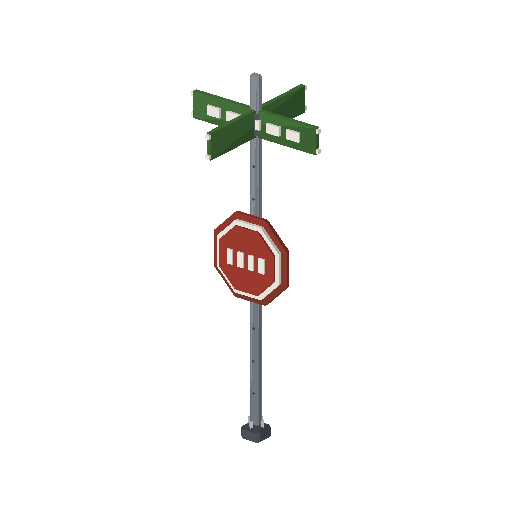
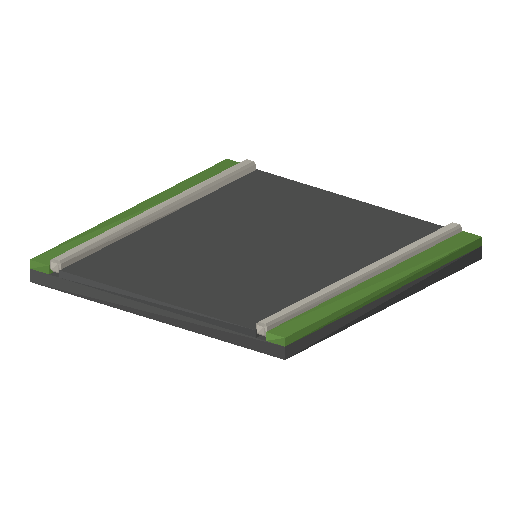
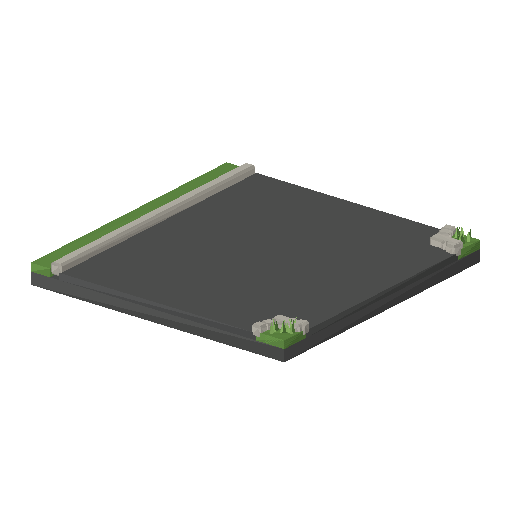
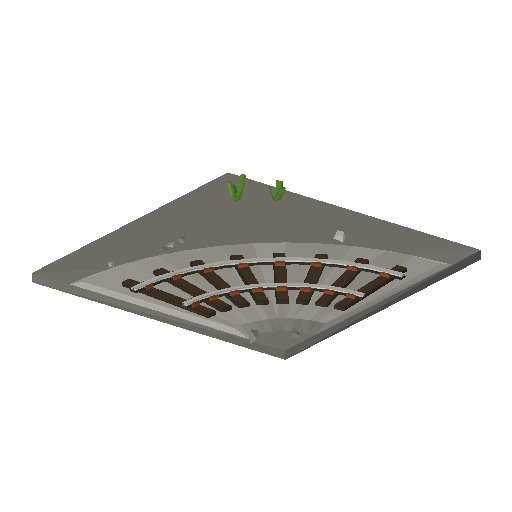
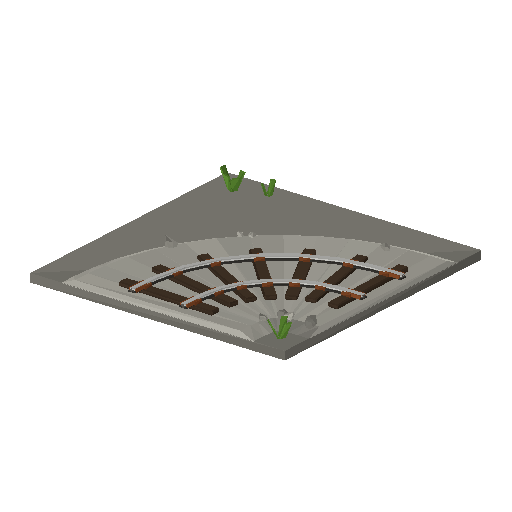
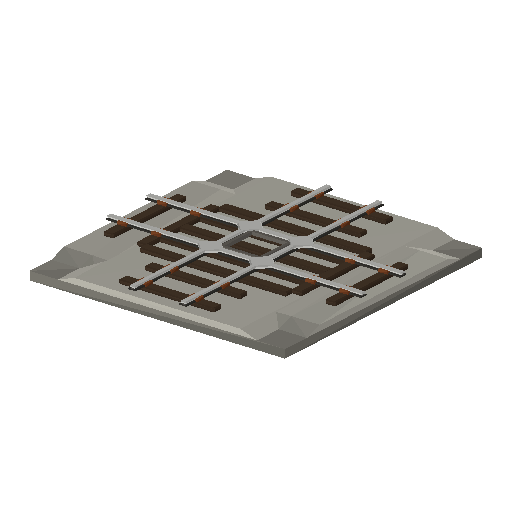
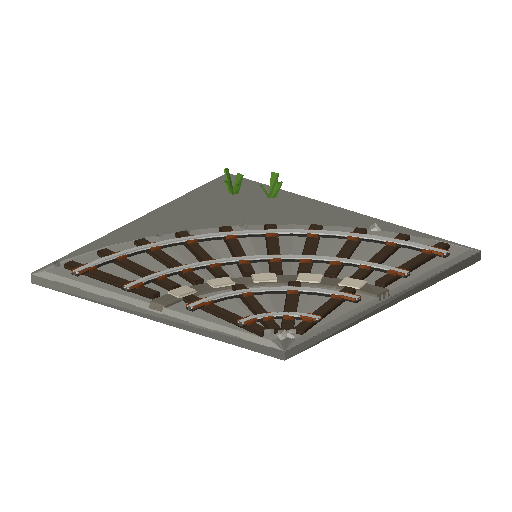
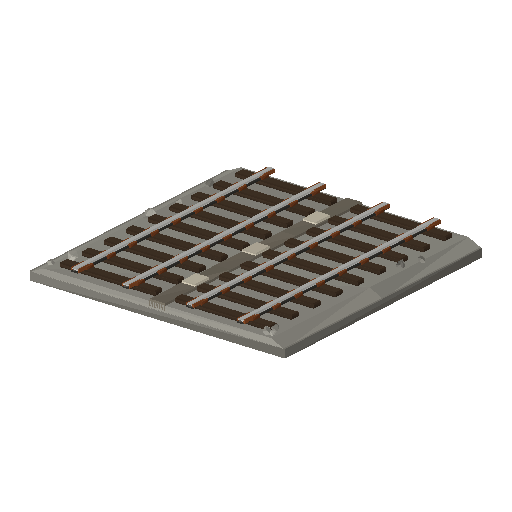
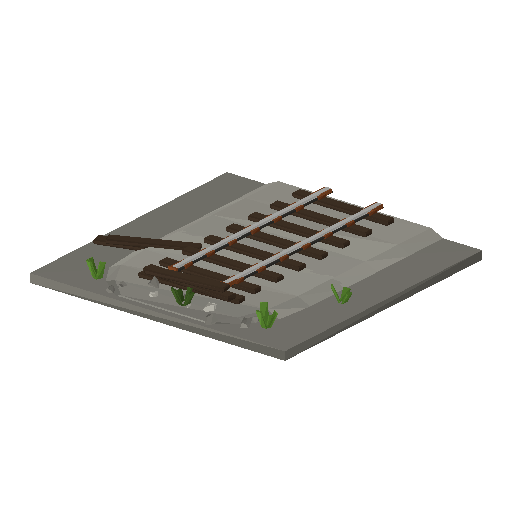
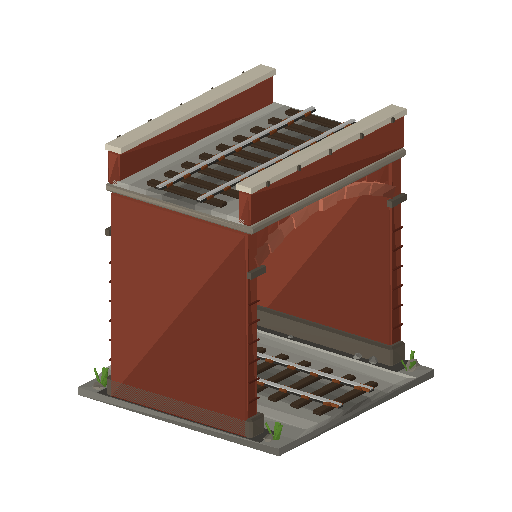
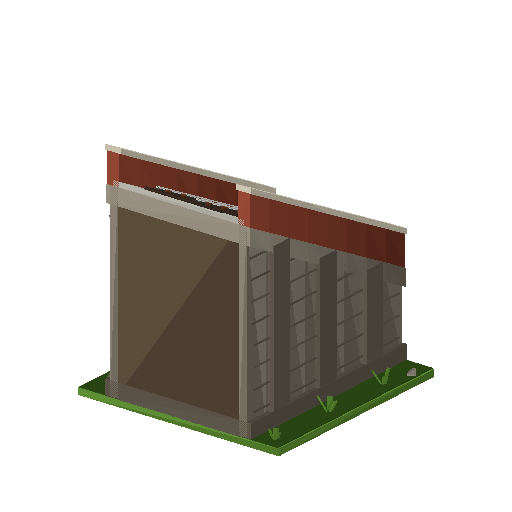
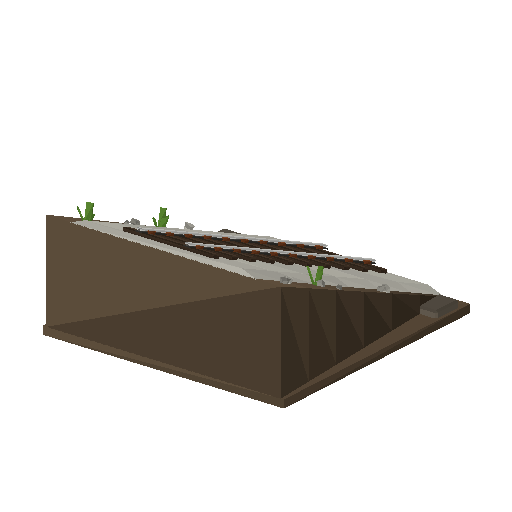
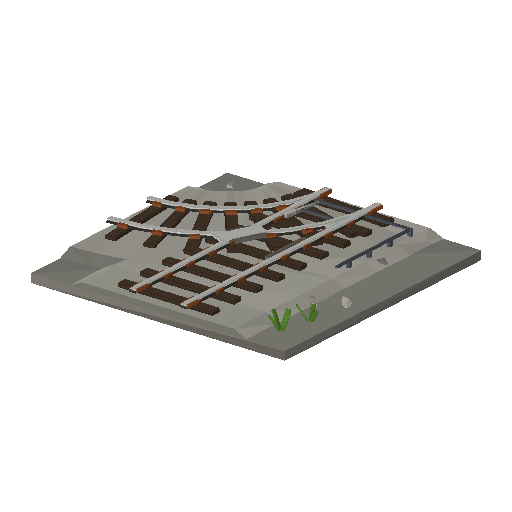
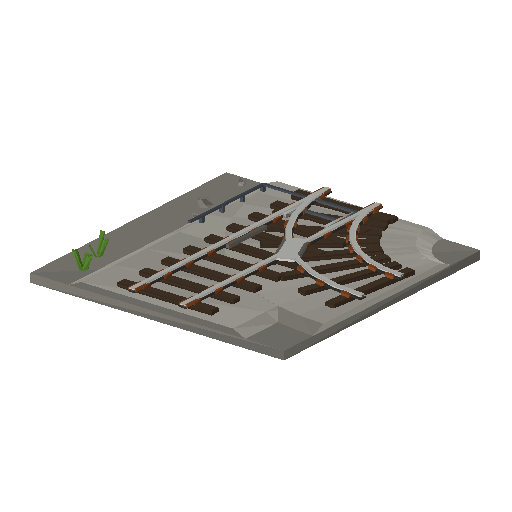
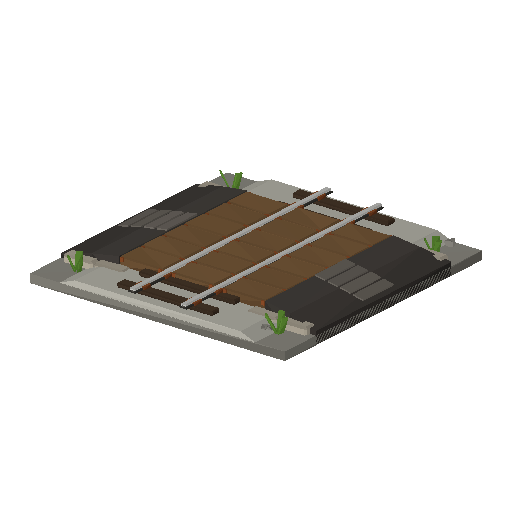
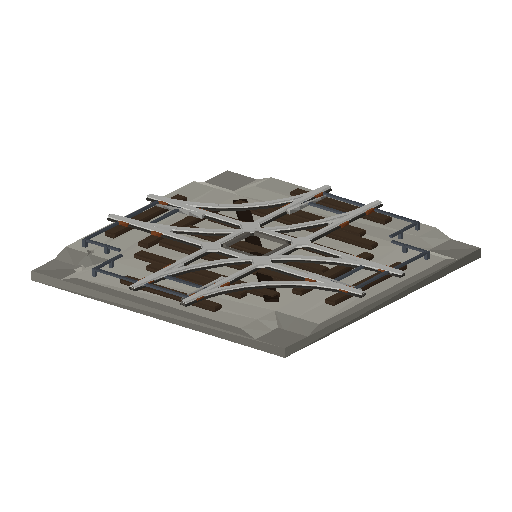
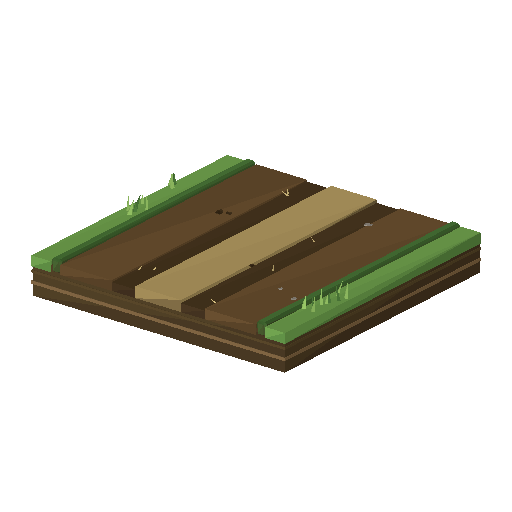
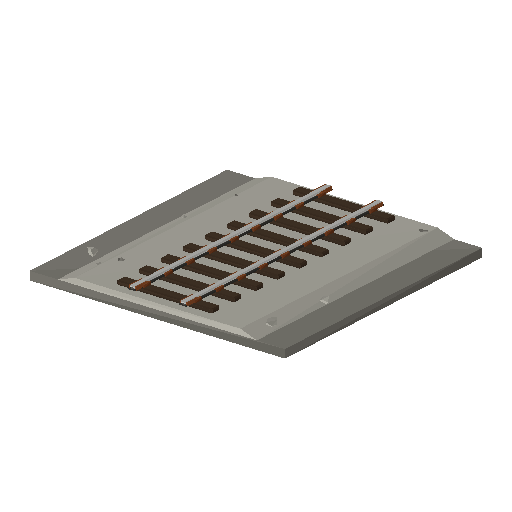
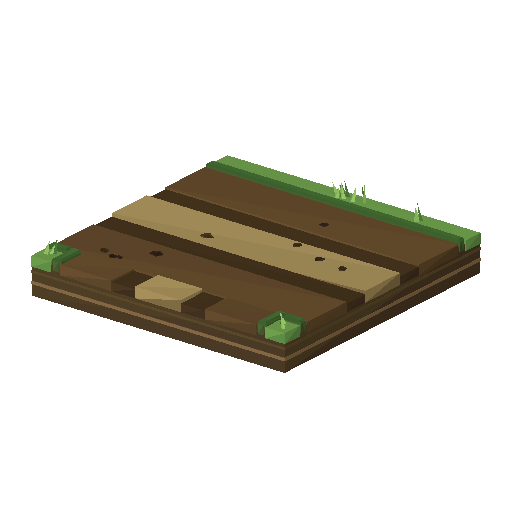
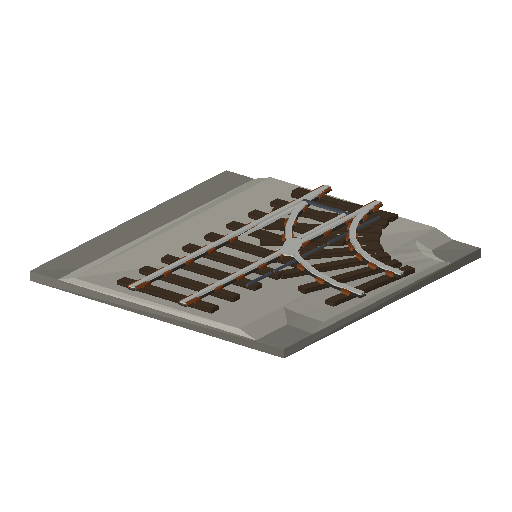
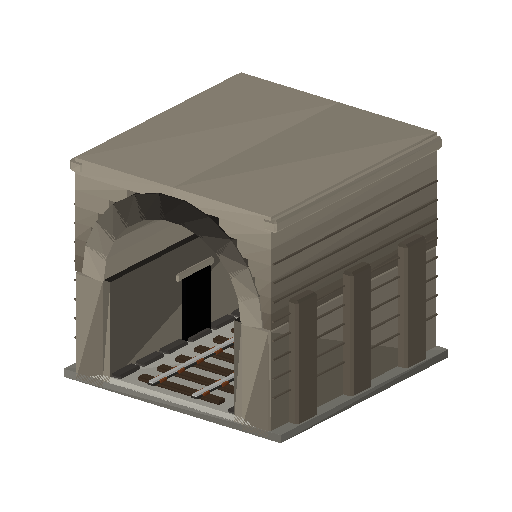
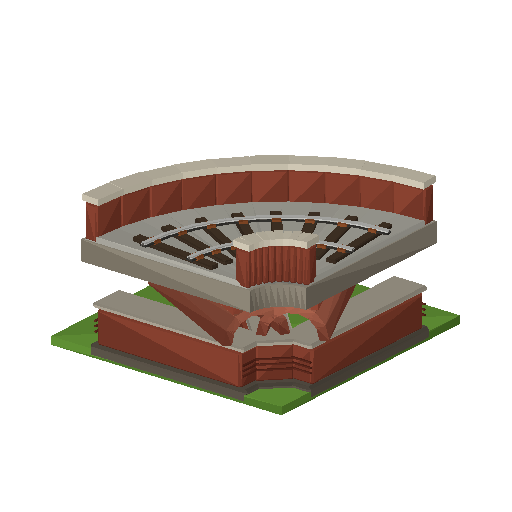
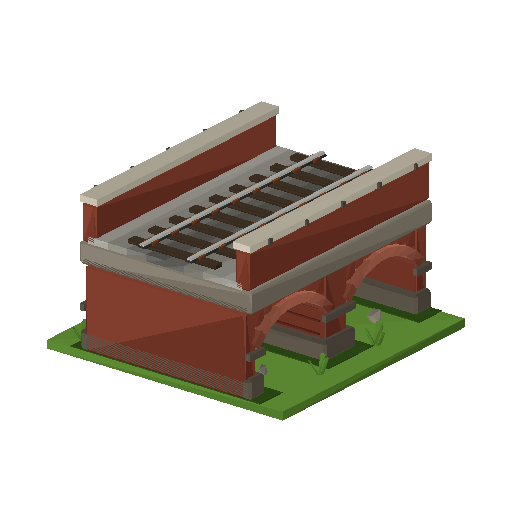
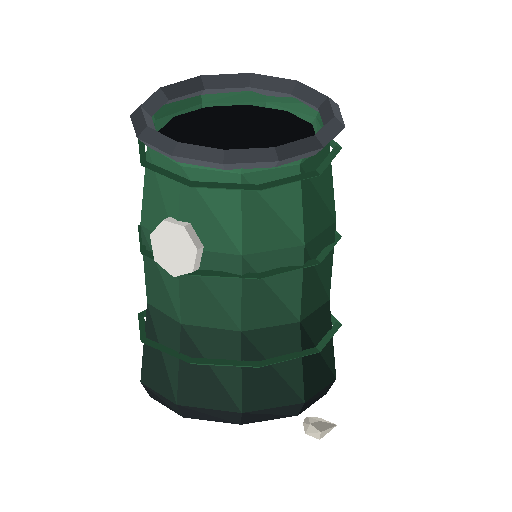
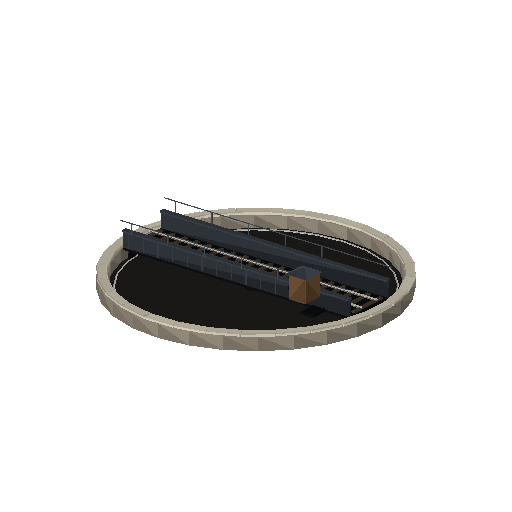
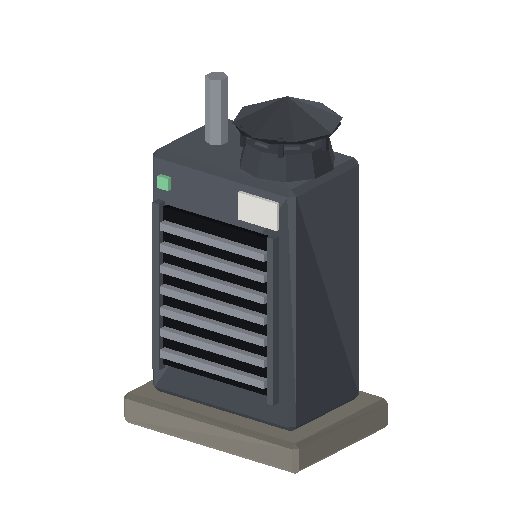
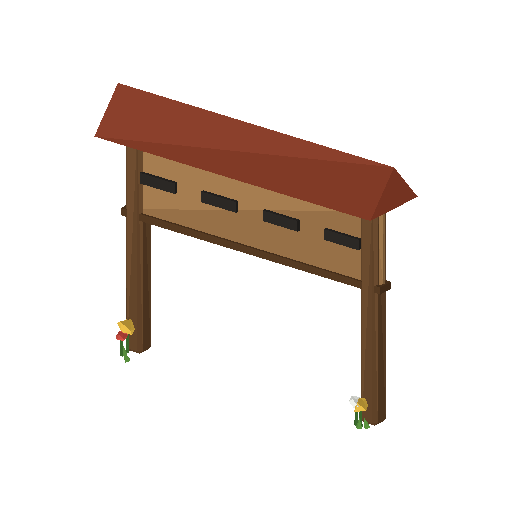
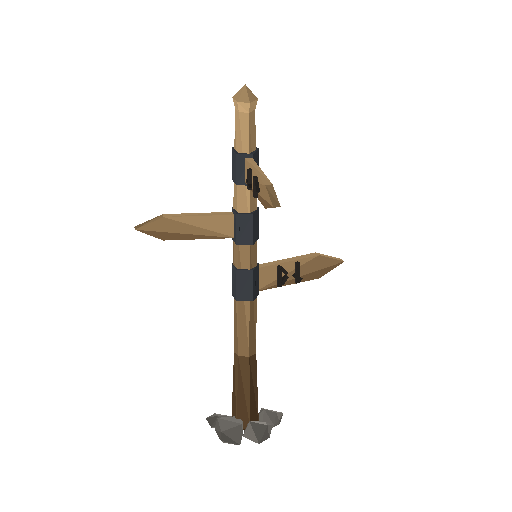
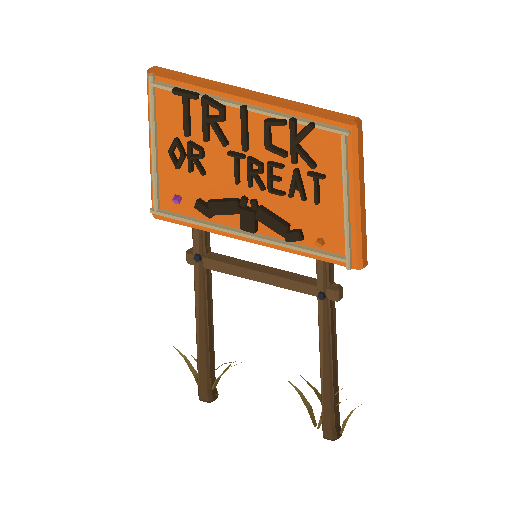
How the street kit fits together
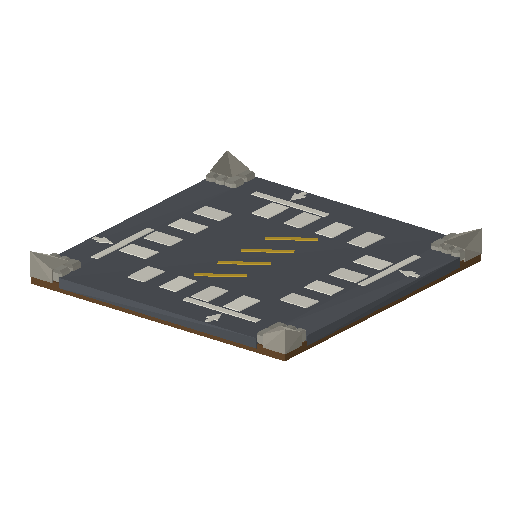
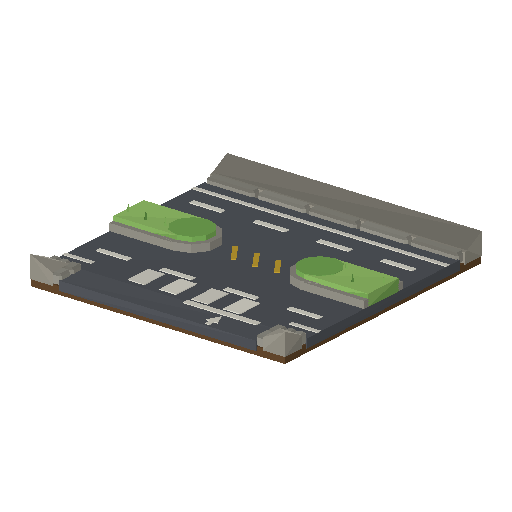
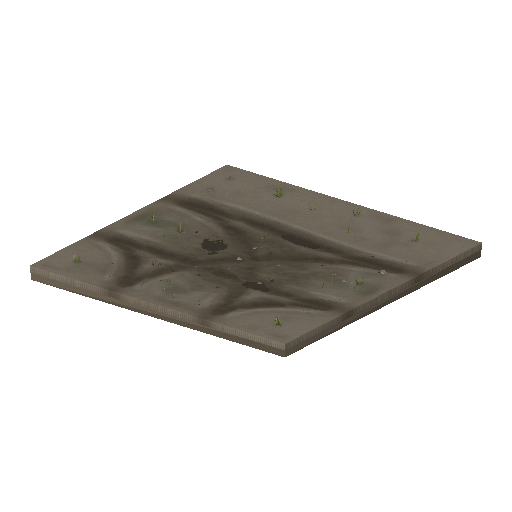
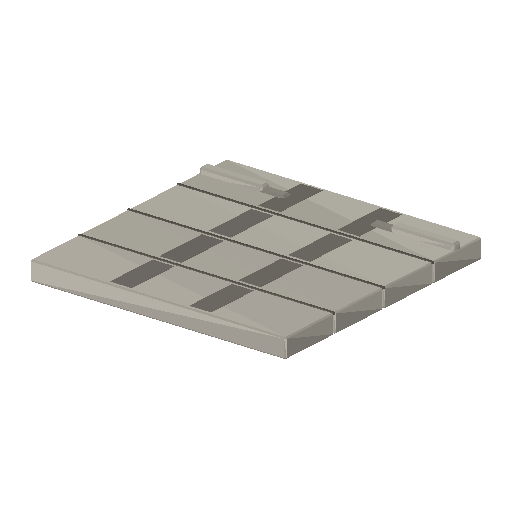
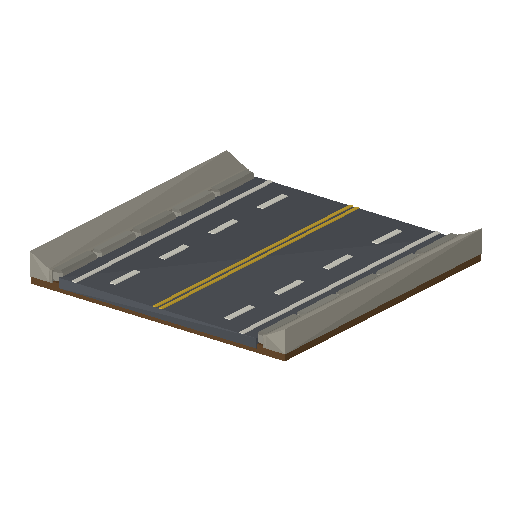
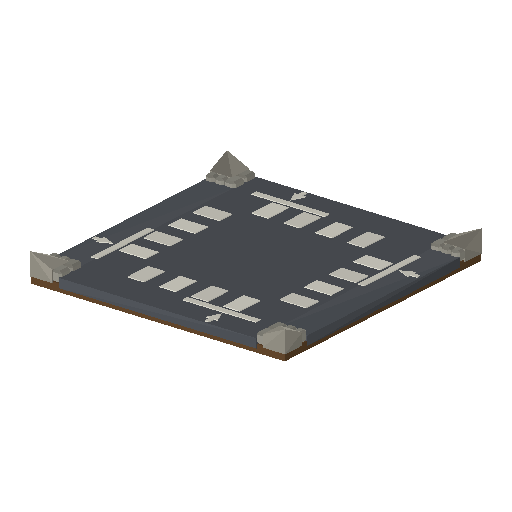
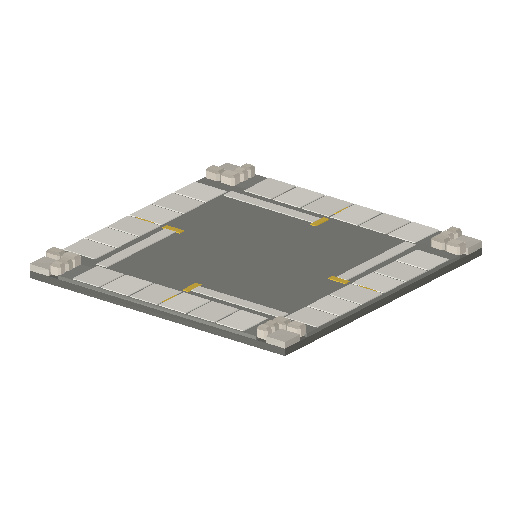
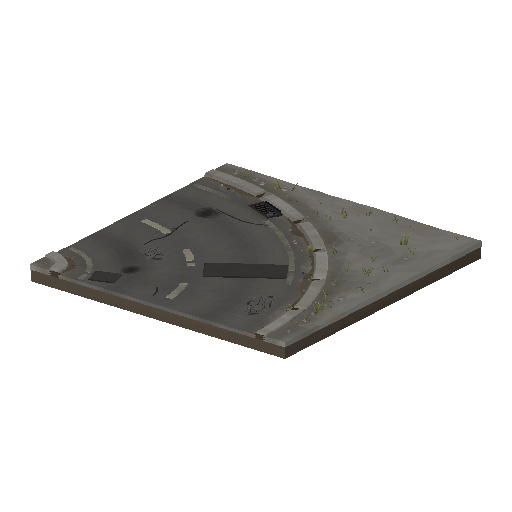
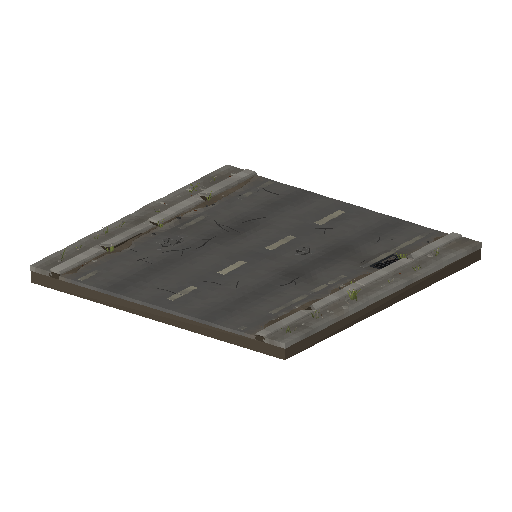
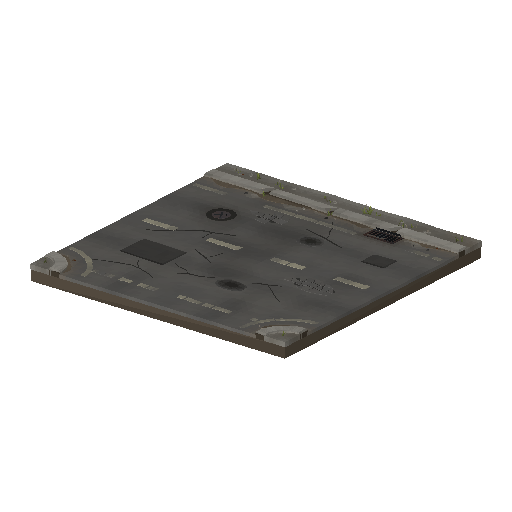
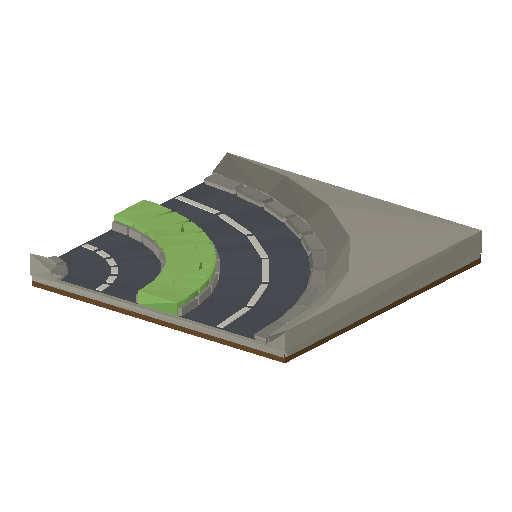
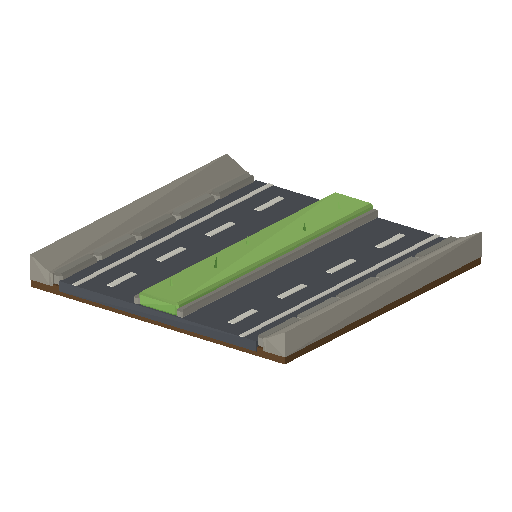
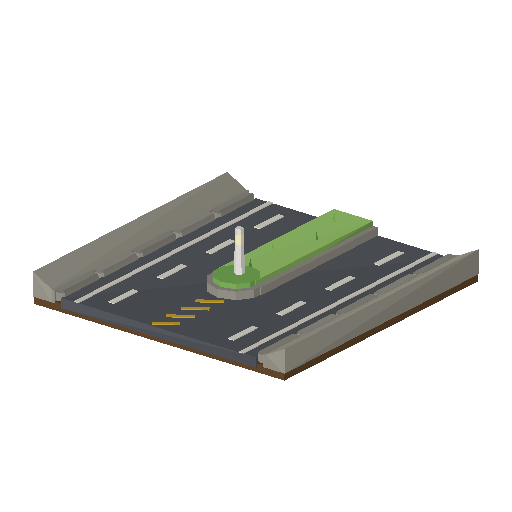
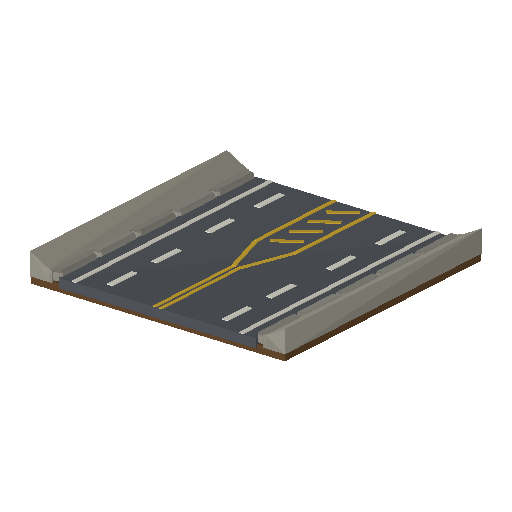
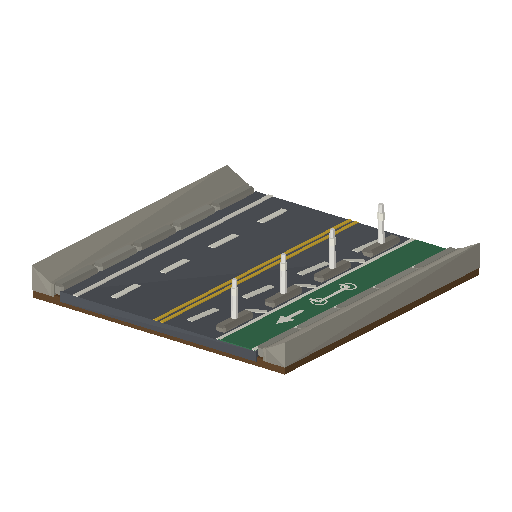
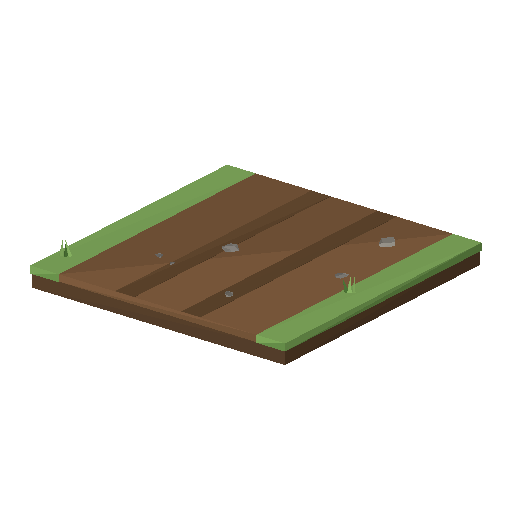
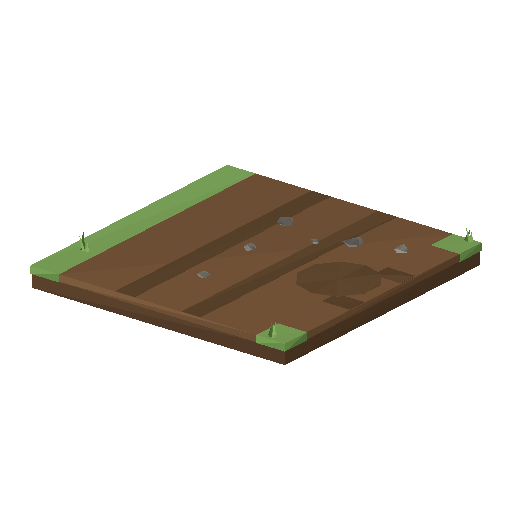
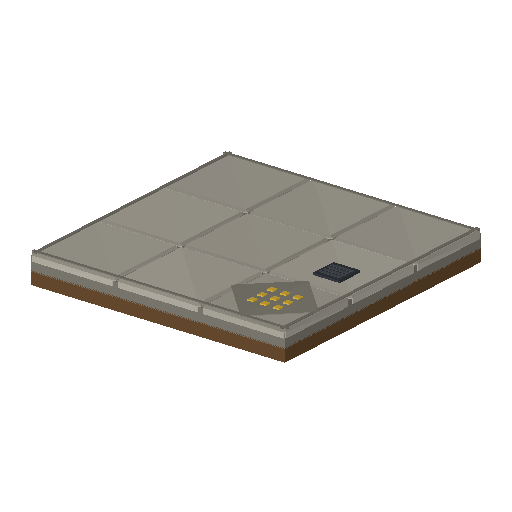
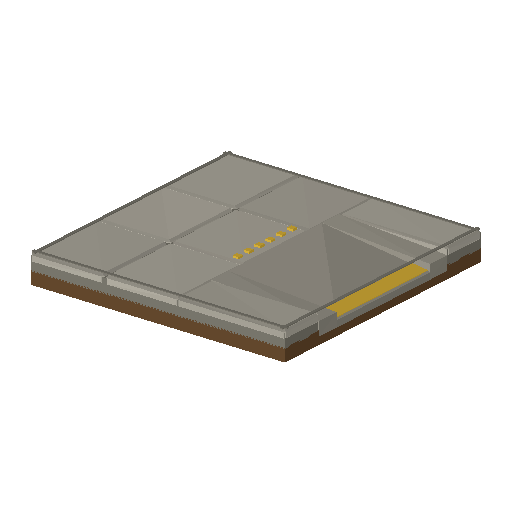
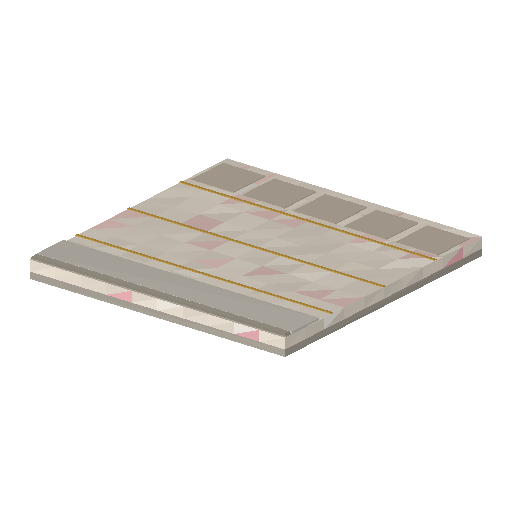
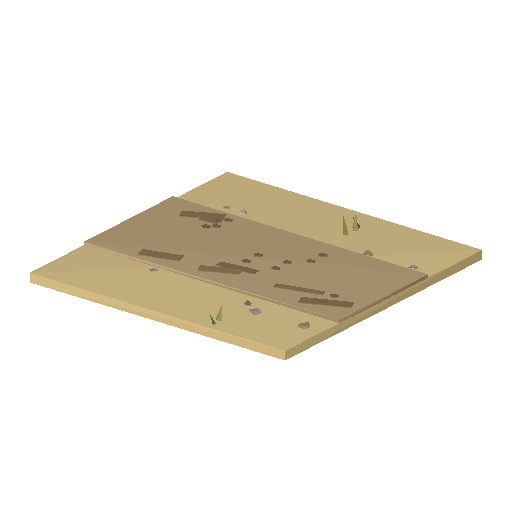
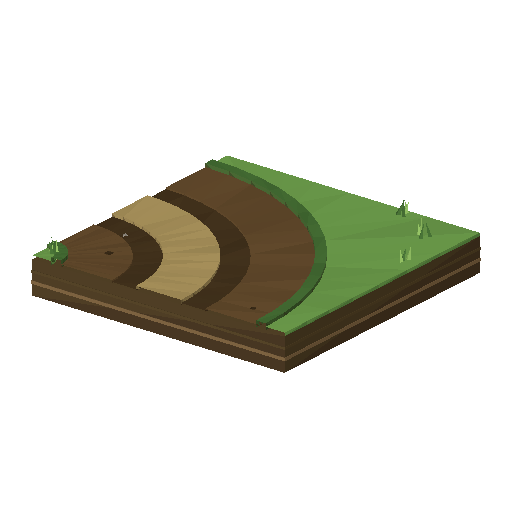
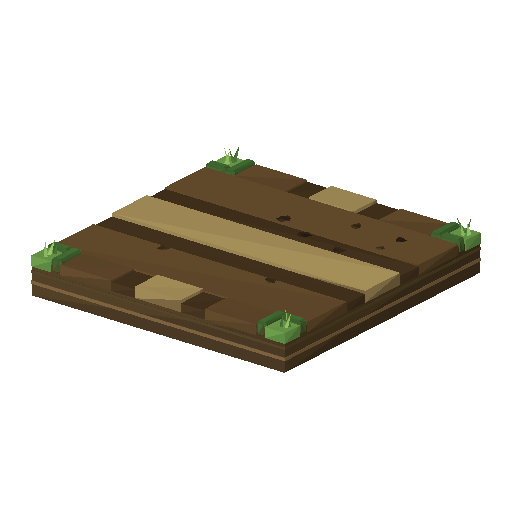
The original street sets offer distinct surfaces: City asphalt with lane markings, Cozy Village cobble and dirt, Desert Kingdom sandstone, and Metropolis avenues with transit and cycle infrastructure. Start with the surface and street width your setting needs. A consistent theme makes the corner details easier to match, but always check the pack module before mixing tiles.
Corners that actually meet
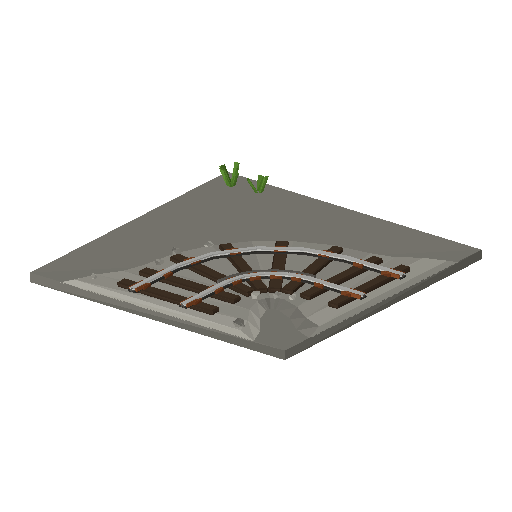
Lay out a straight, a turn and a junction before repeating a road across a scene. Check the carriageway, kerb and pavement heights together: a convincing plan view can still hide a step at ground level. The pack documentation is the place to verify module dimensions, rather than assuming every new street kit uses the first collection’s measurements.
Crossings and furniture
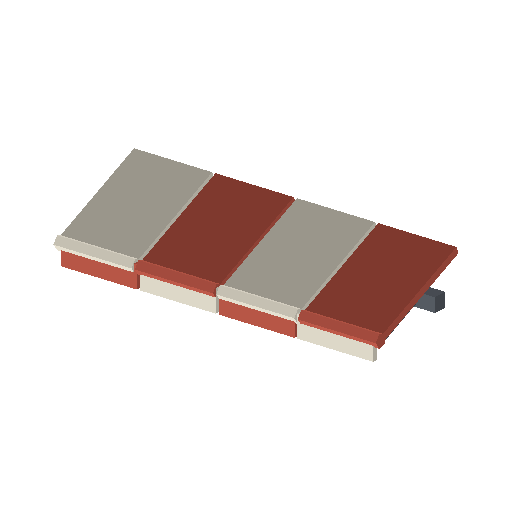
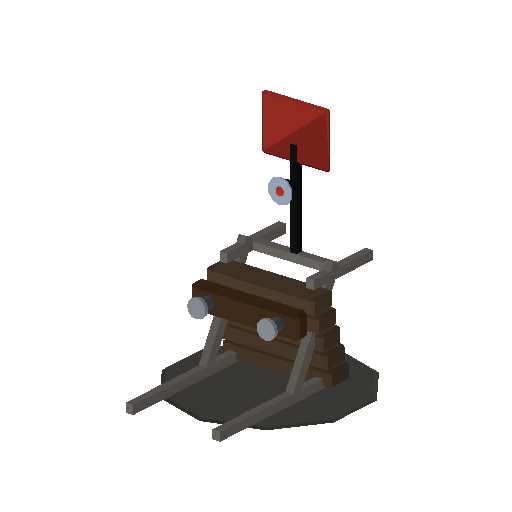
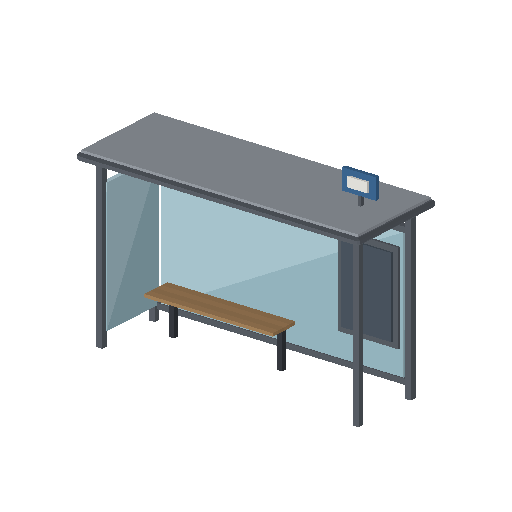
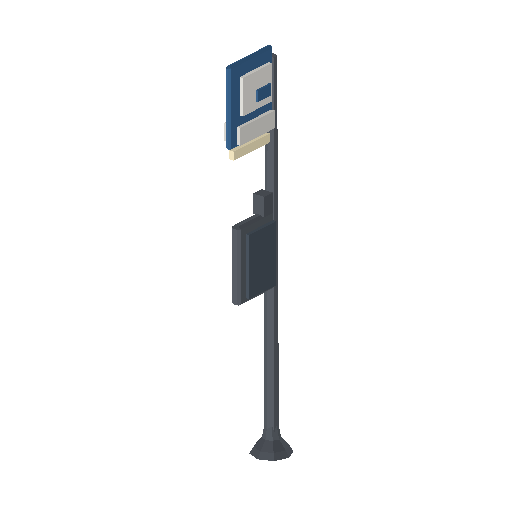
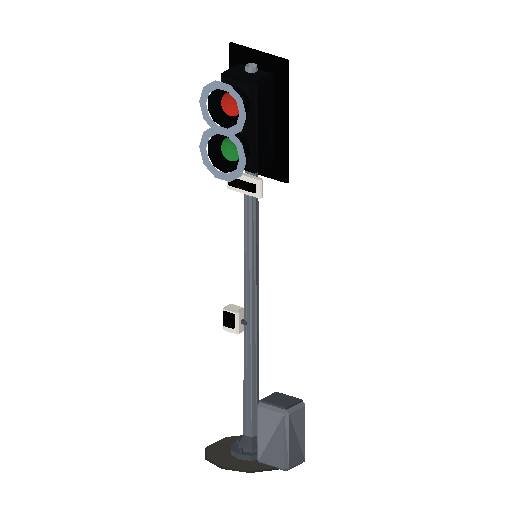
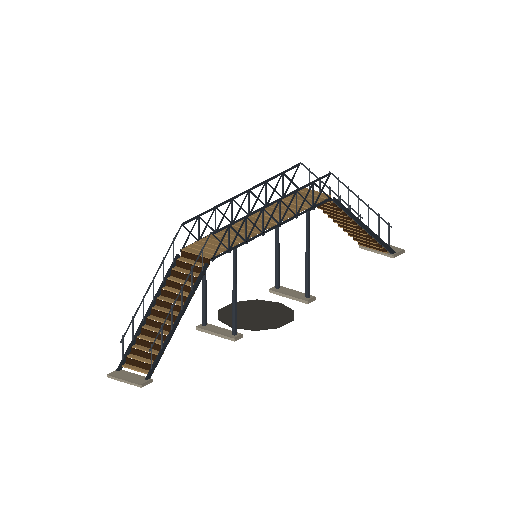
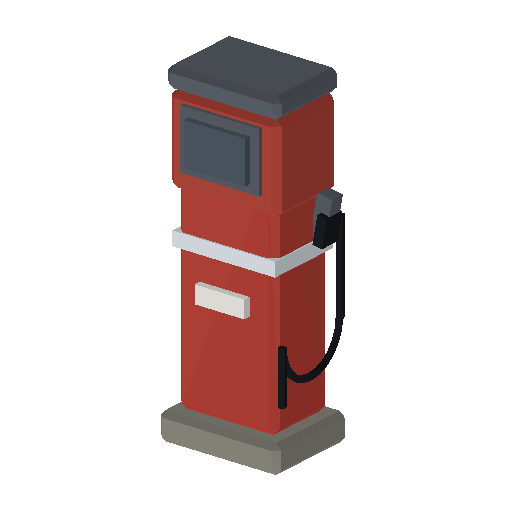
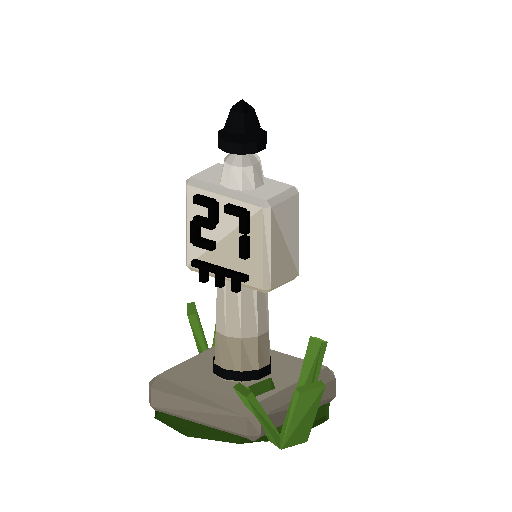
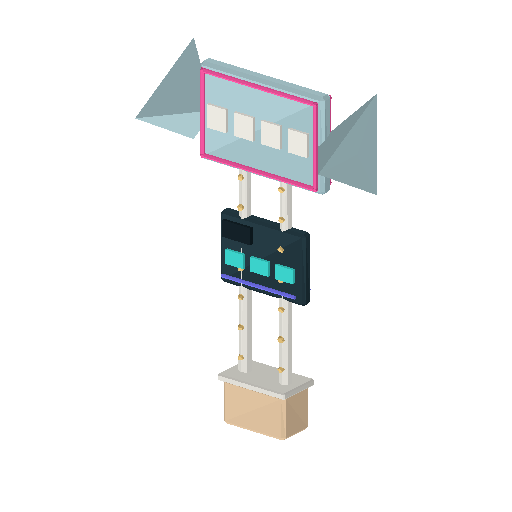
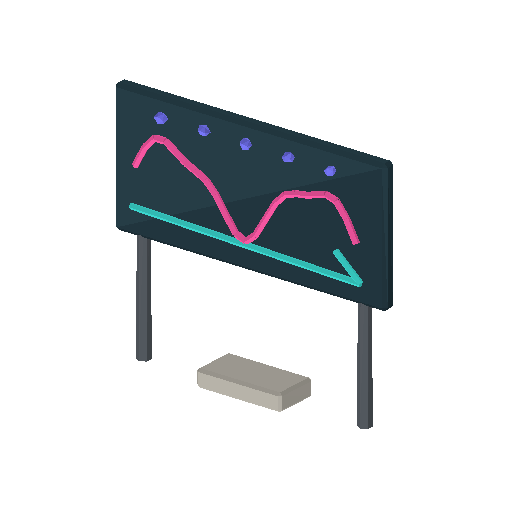
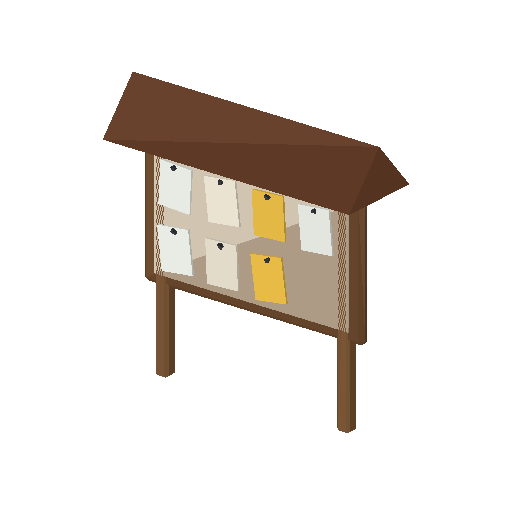
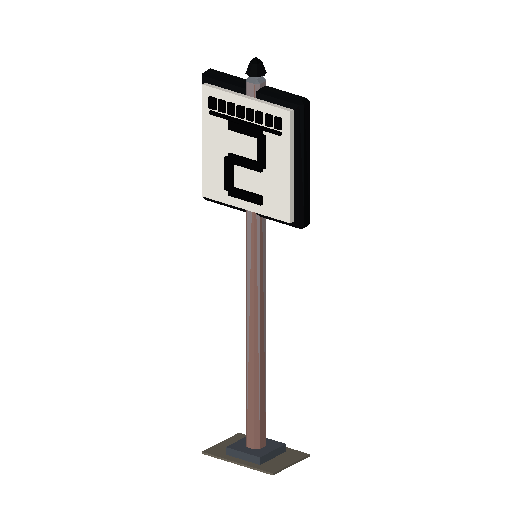
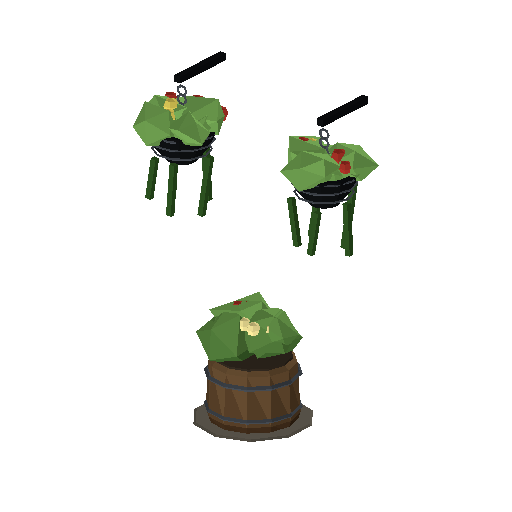
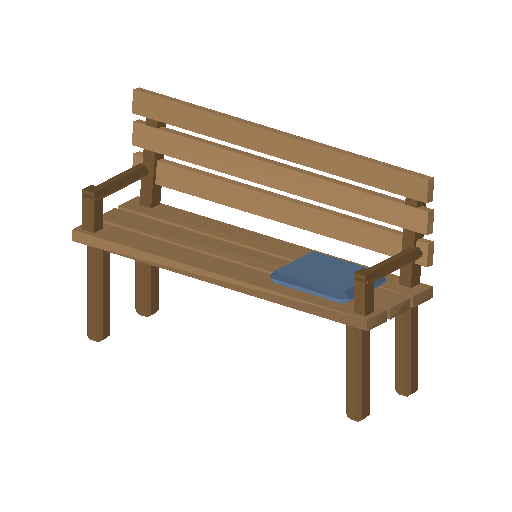
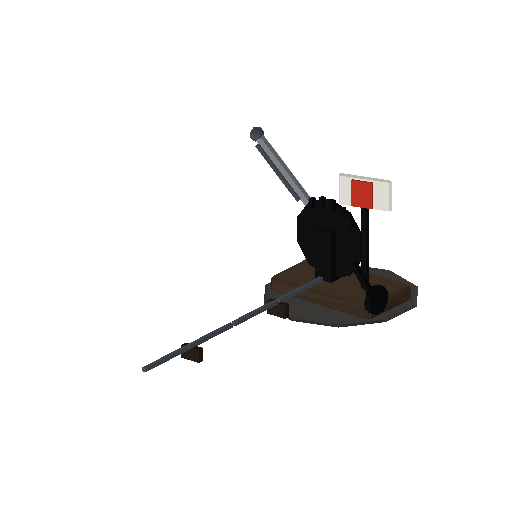
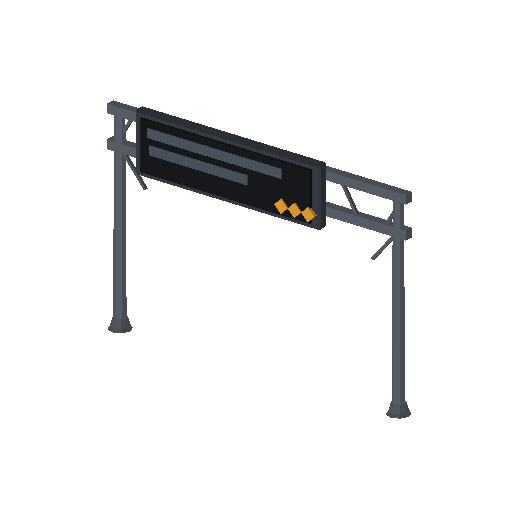
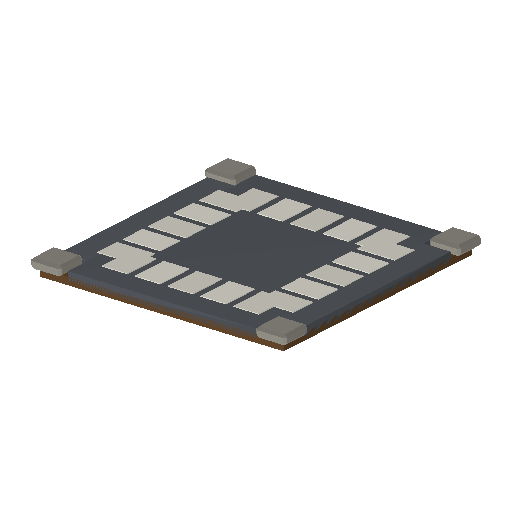
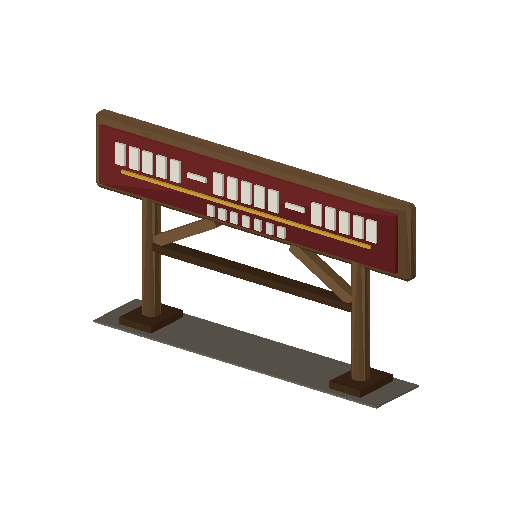
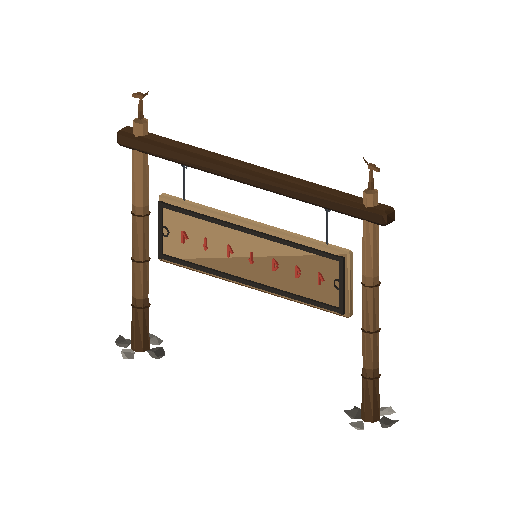
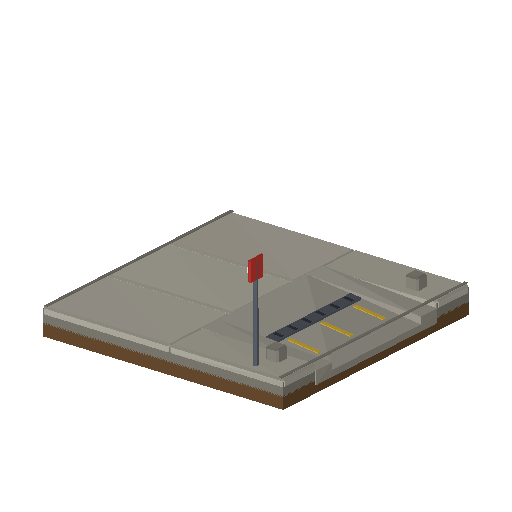
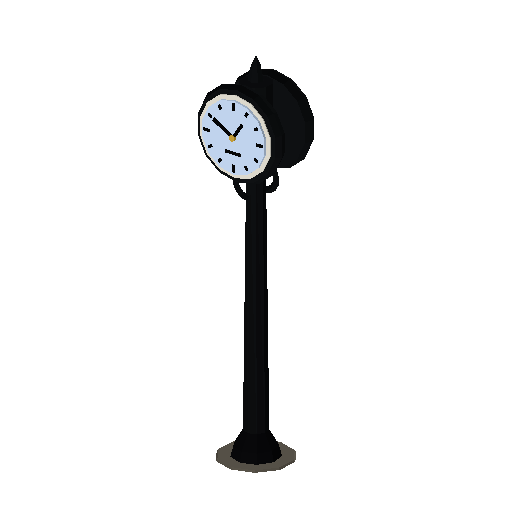
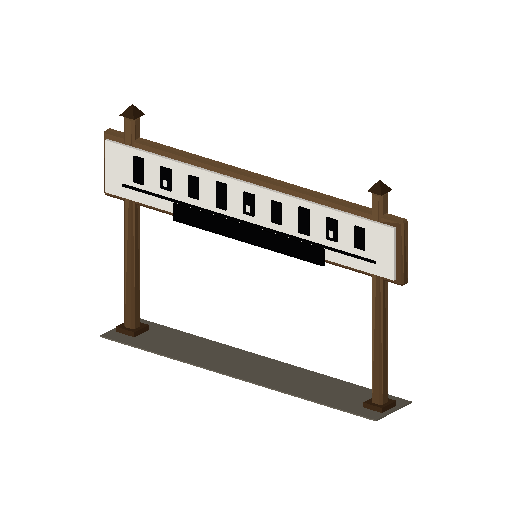
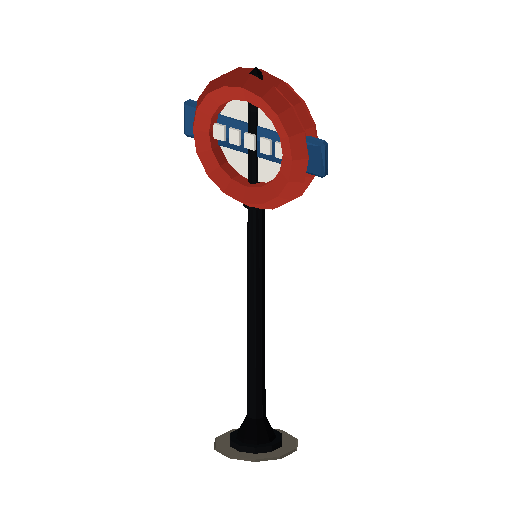
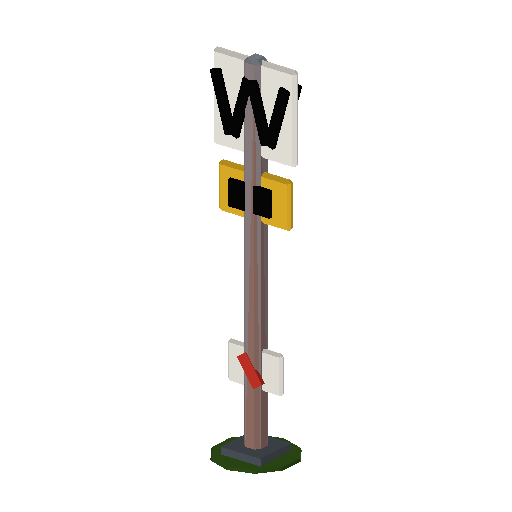
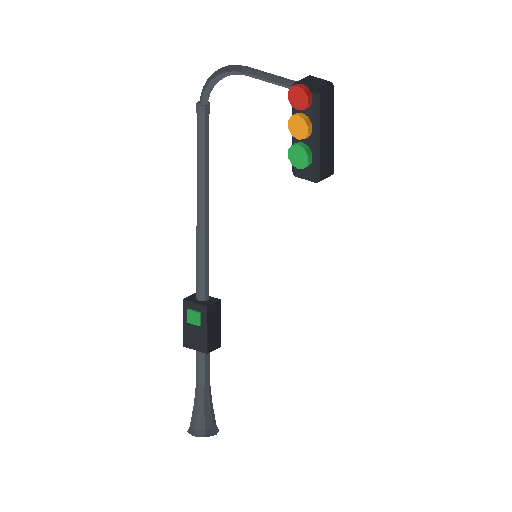
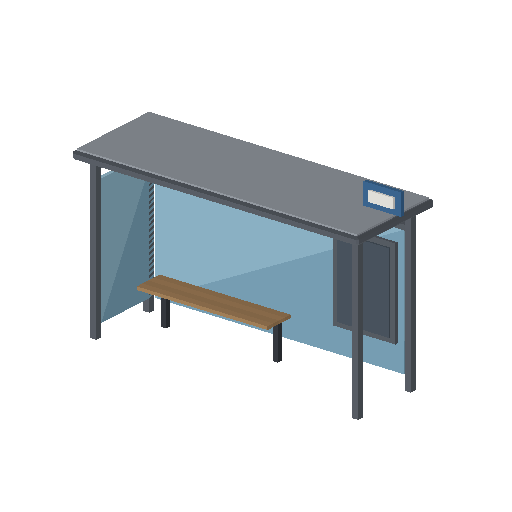
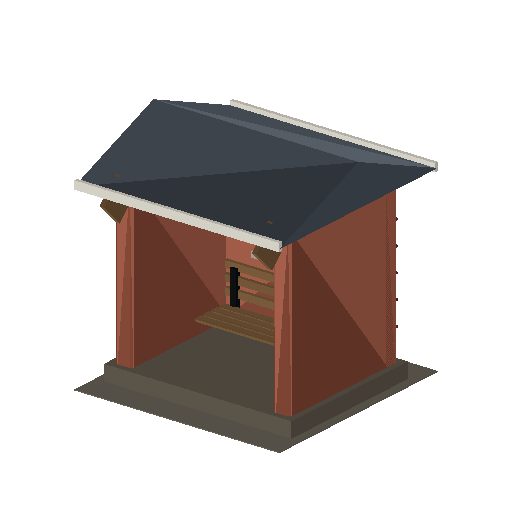
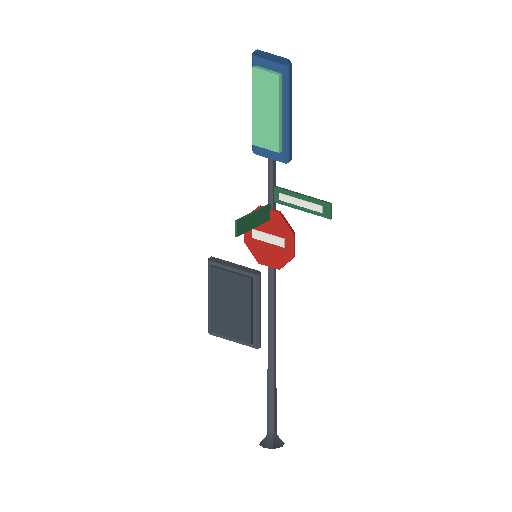
A crossing that stops short of the pavement is scenery. Pair it with its matching curb ramp and check the width where they meet. Place shelters, signals and lamps where the camera and player route need them; a furnished block should communicate movement, not just fill every available space with repeated props.
Keeping a long street from repeating
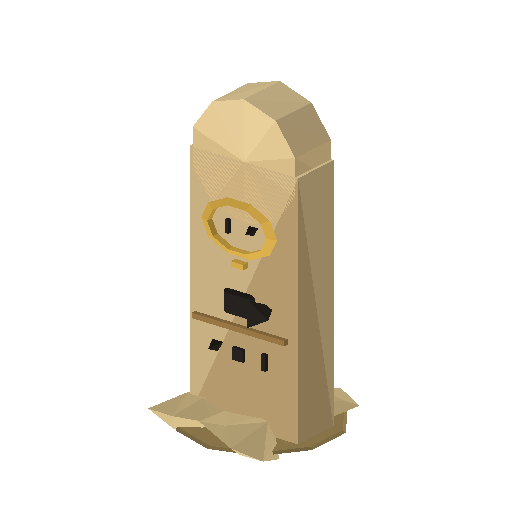
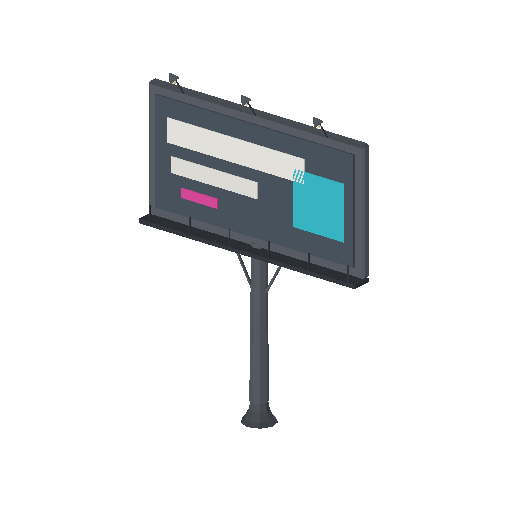
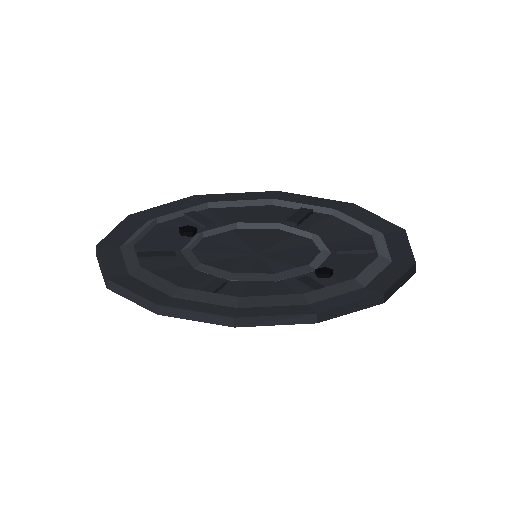
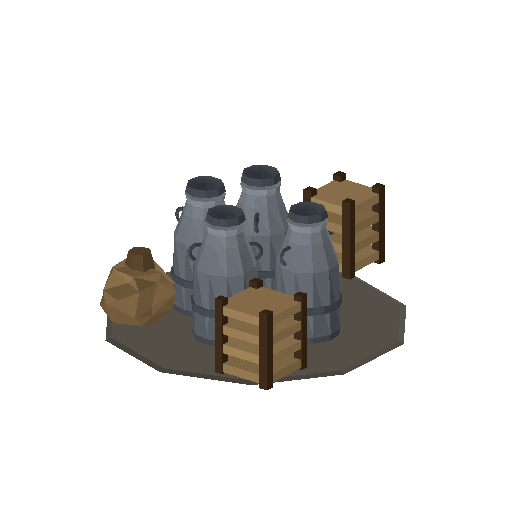
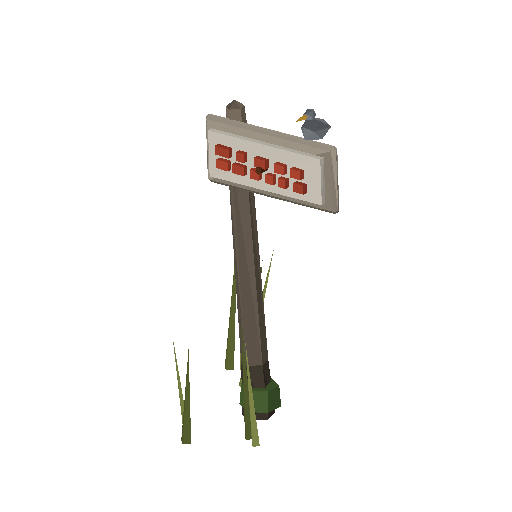
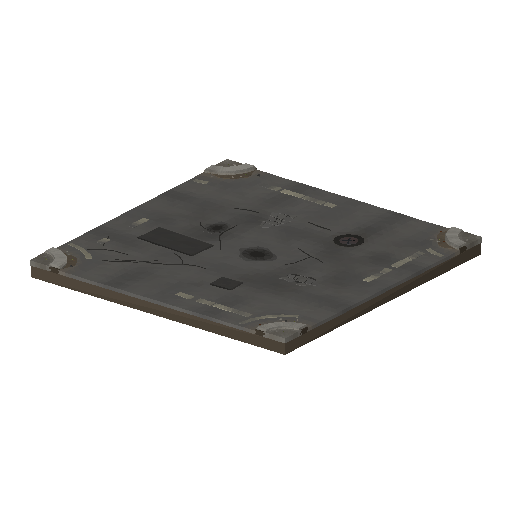
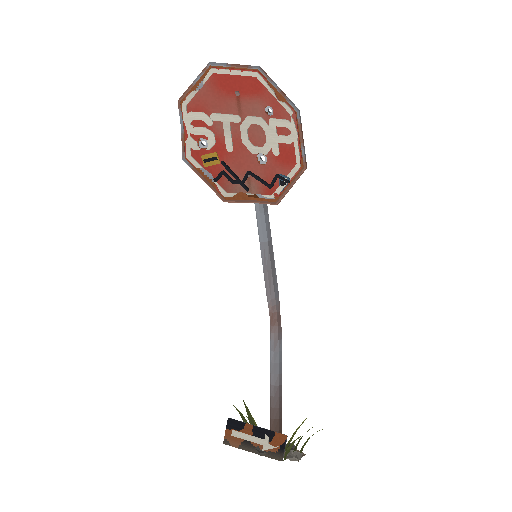
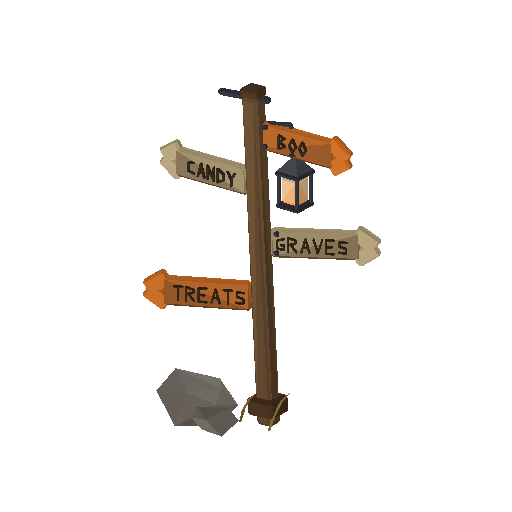
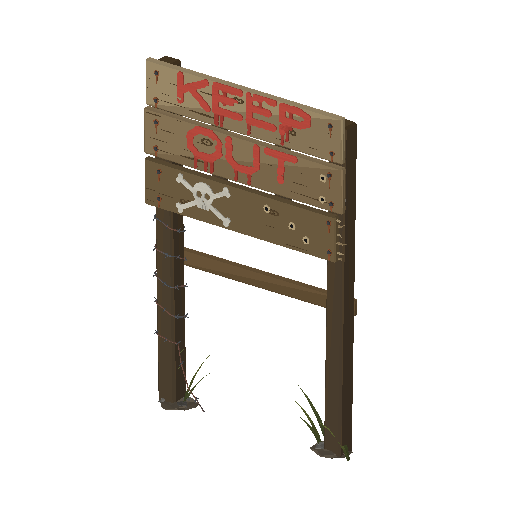
Manhole covers, road patches, signage and varied furniture break the rhythm of repeated tiles. Triangle range: 136–57,716. Compressed file size range: 2.3 KiB–328.4 KiB. Free models currently shown: 138. Use the pack links below to find matching pieces, and test a representative block before extending the layout into a whole neighborhood.
Questions
Other collections
Packs feeding this hub
- City — 25 models in this collection
- Countryside Farm Kit — 6 models in this collection
- Cozy Village — 12 models in this collection
- Desert Kingdom — 9 models in this collection
- Halloween — 8 models in this collection
- Modular Metropolis — 40 models in this collection
- Railway — 71 models in this collection
- Suburban Neighborhood — 11 models in this collection
- Swamp & Bayou — 11 models in this collection
- Vice Beach — 18 models in this collection
- Viking Fjord — 9 models in this collection
- Wasteland — 13 models in this collection