Low-poly 3D vehicles for three.js
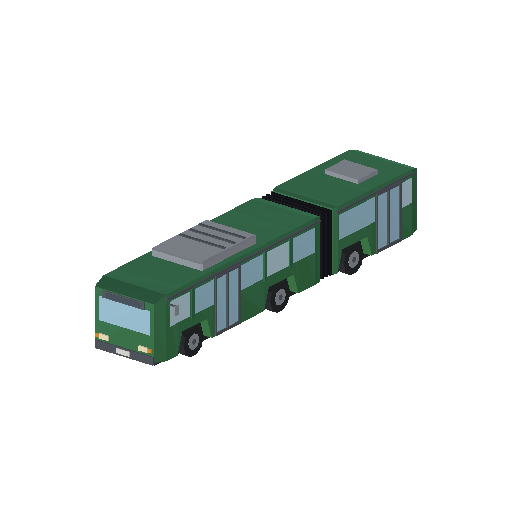
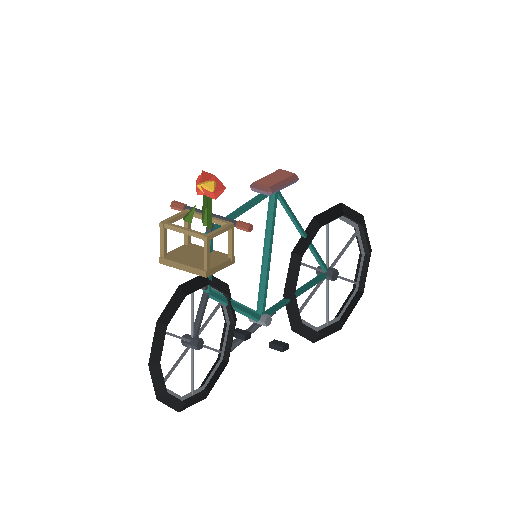
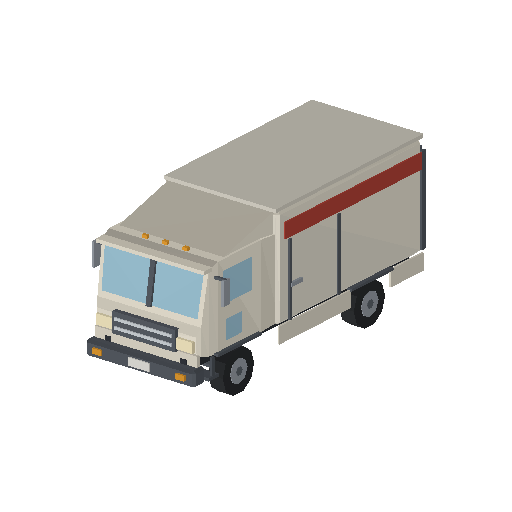
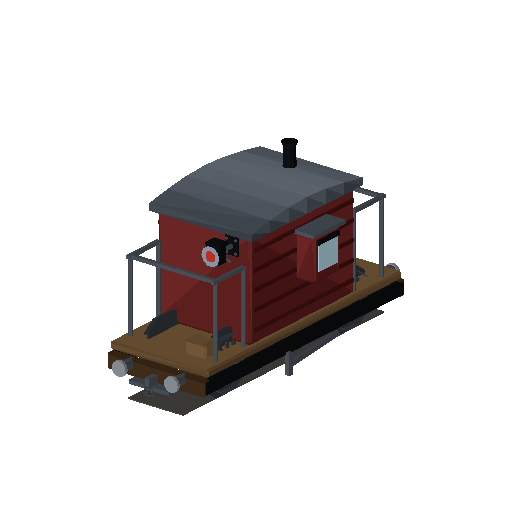
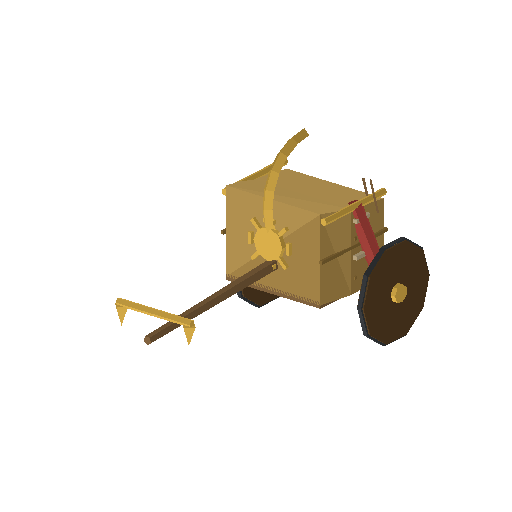
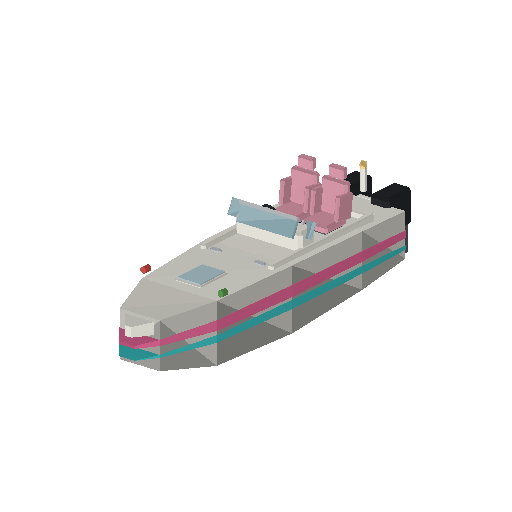
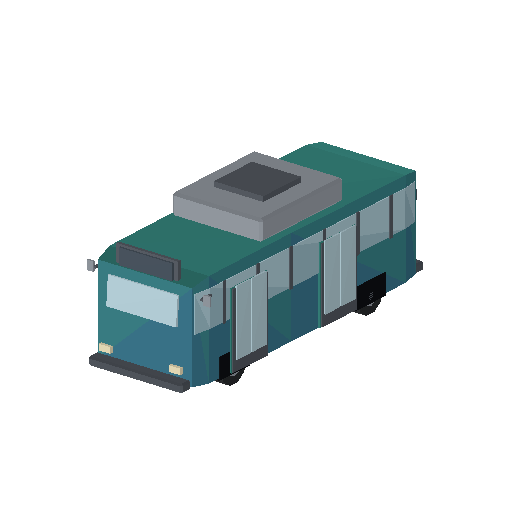
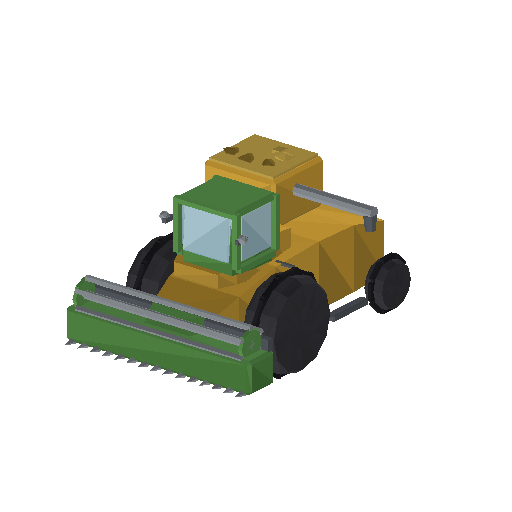
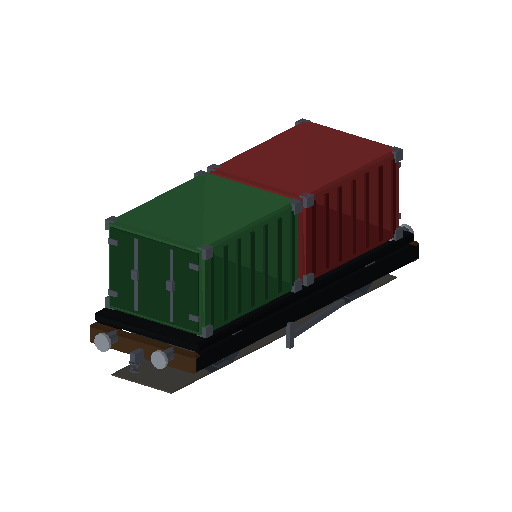
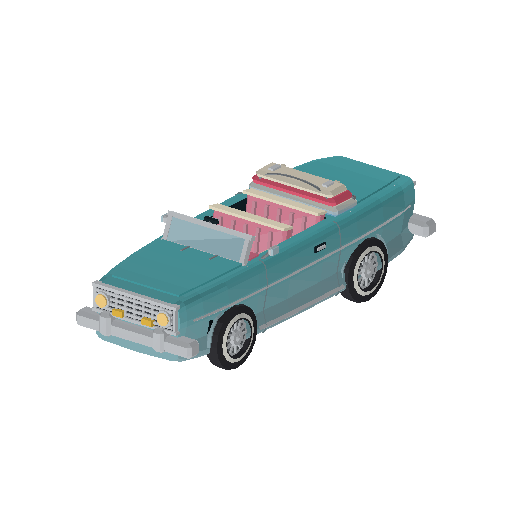
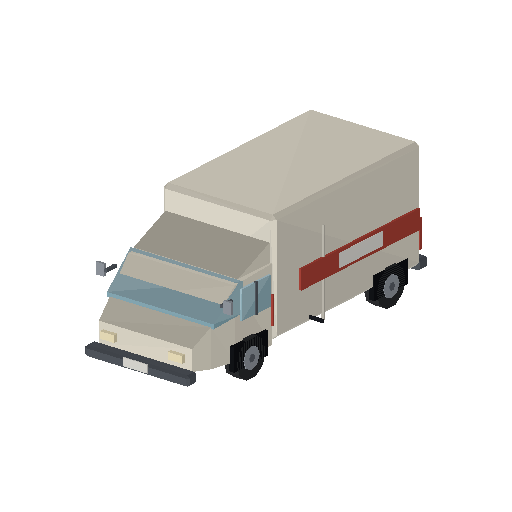
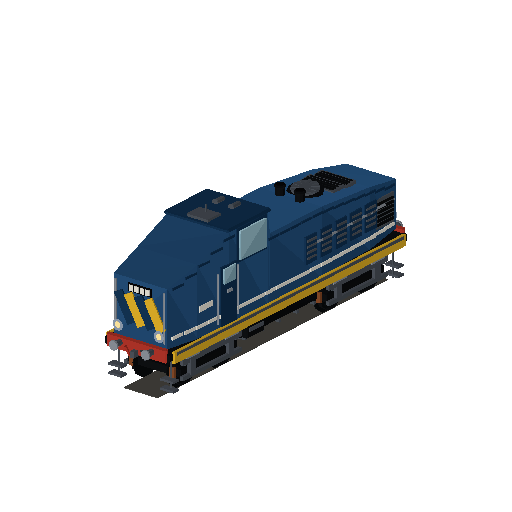
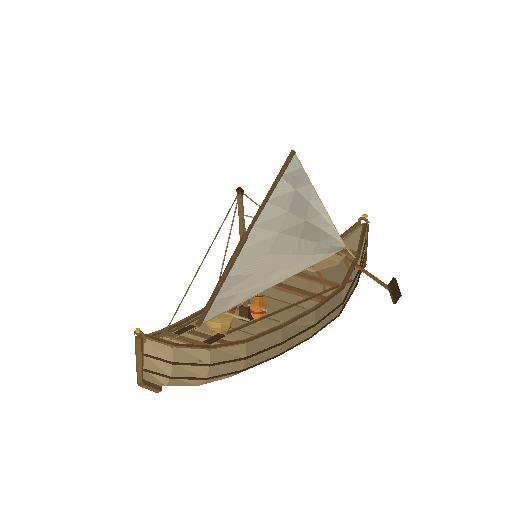
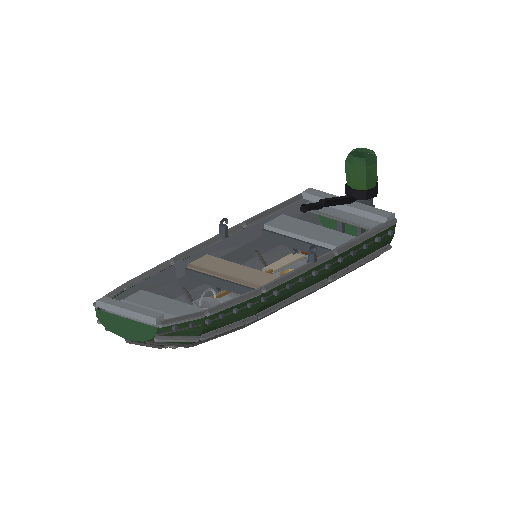
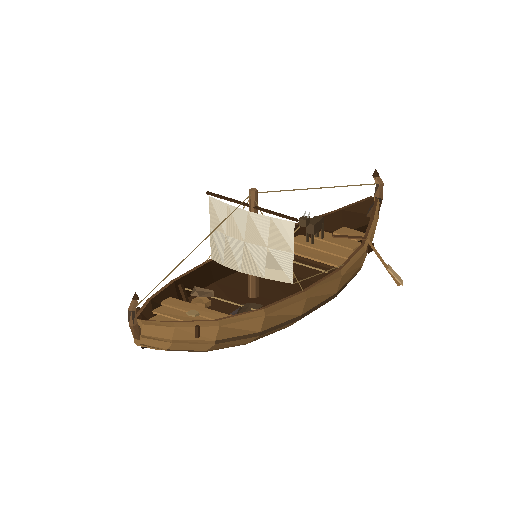
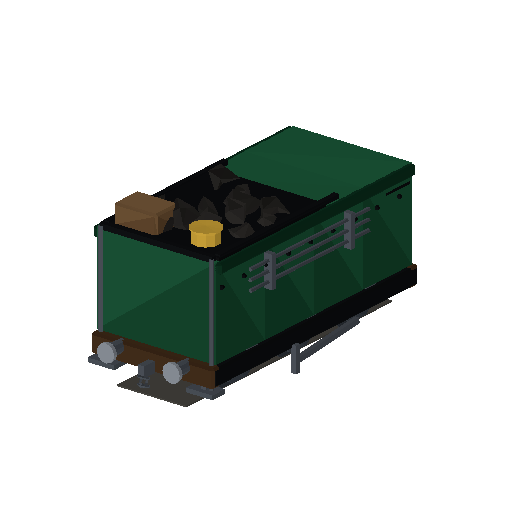
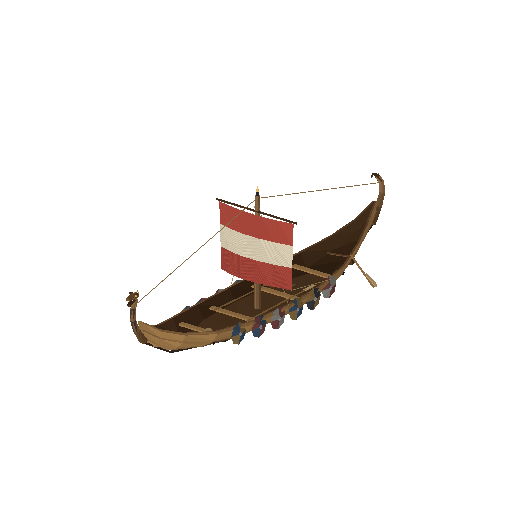
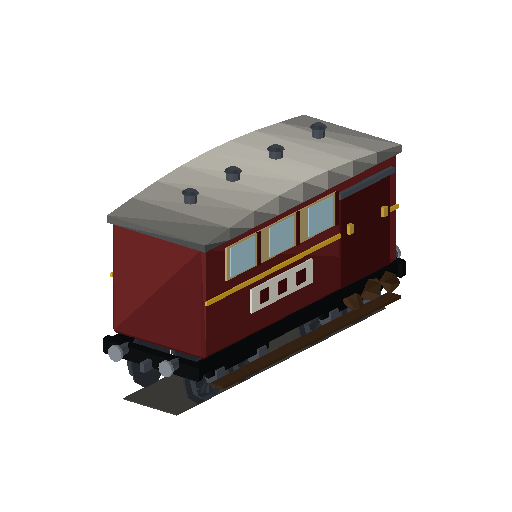
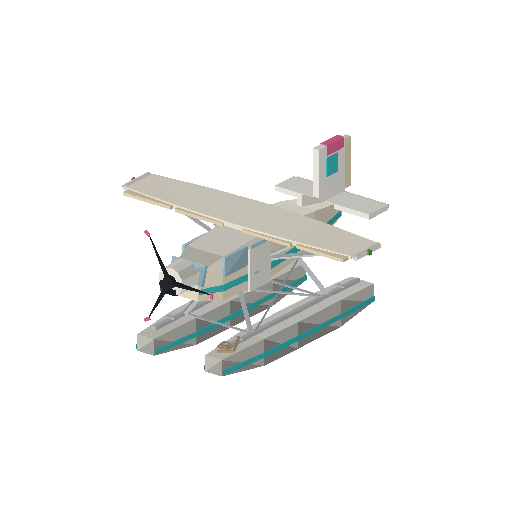
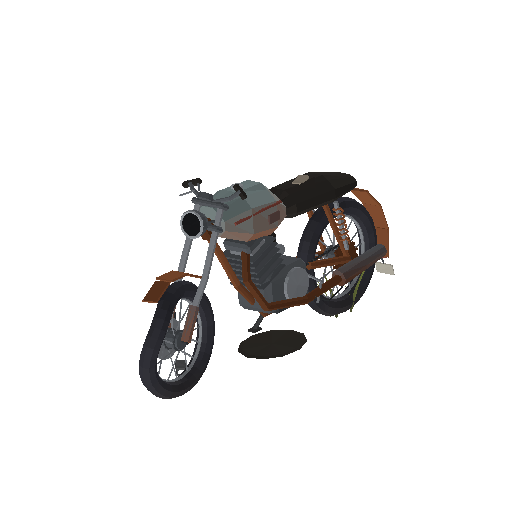
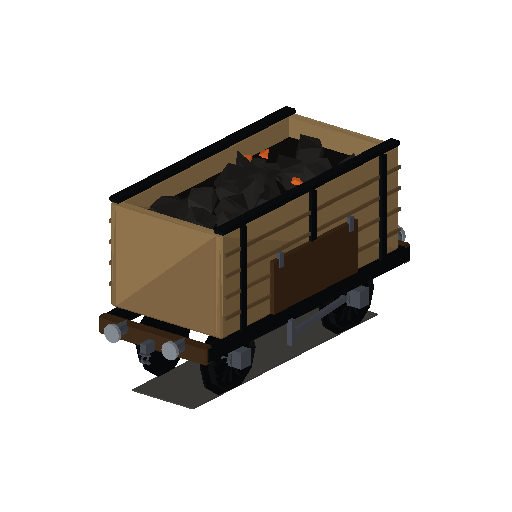
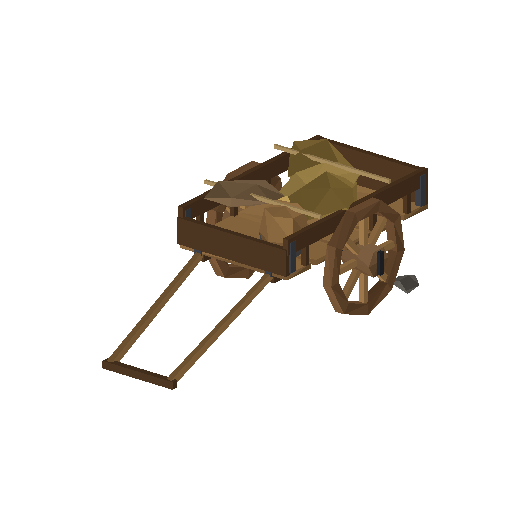
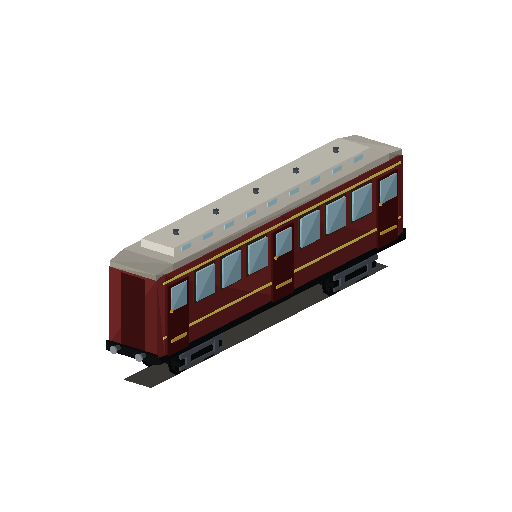
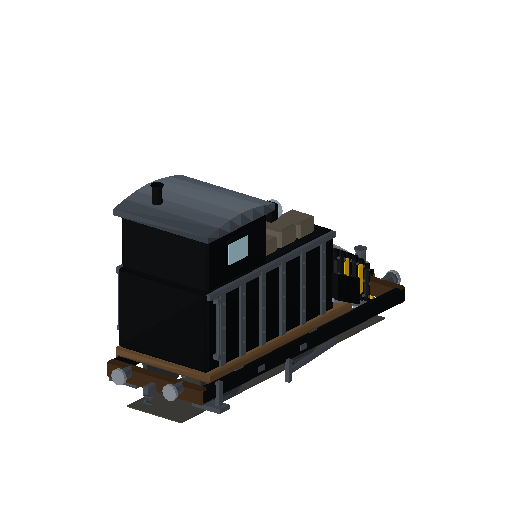
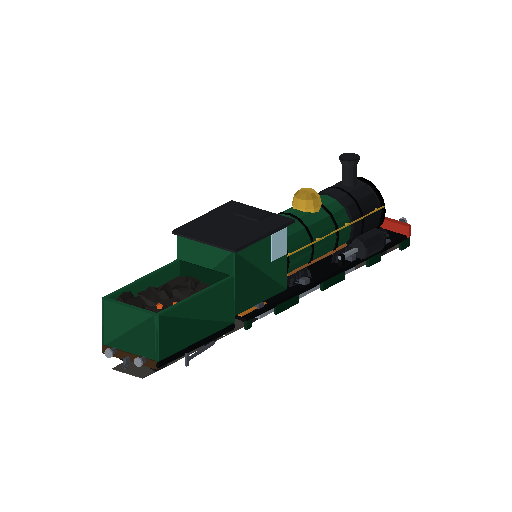
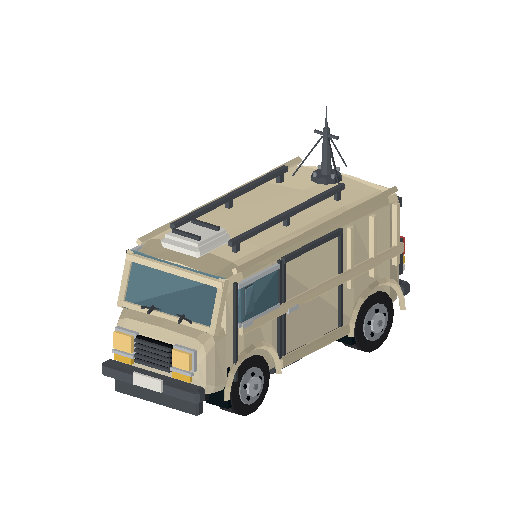
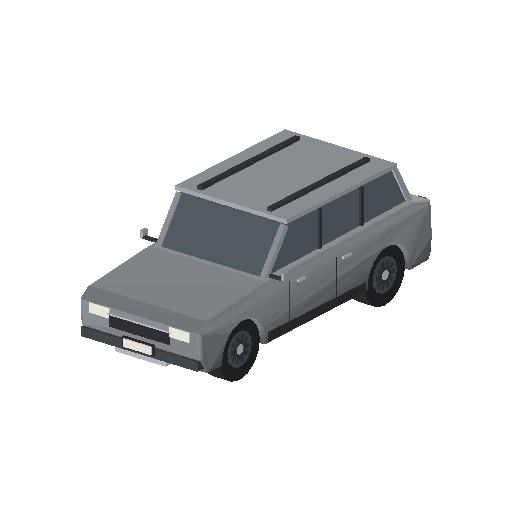
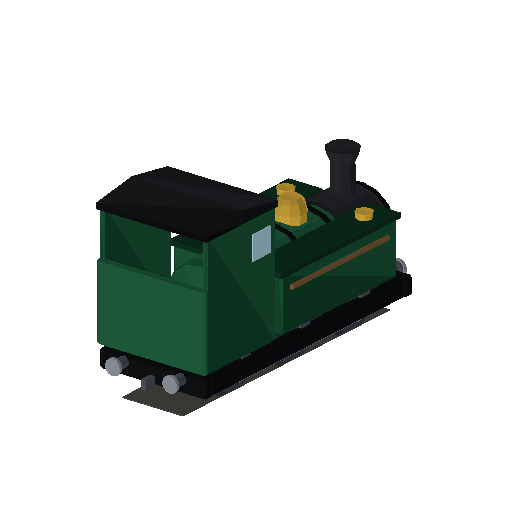
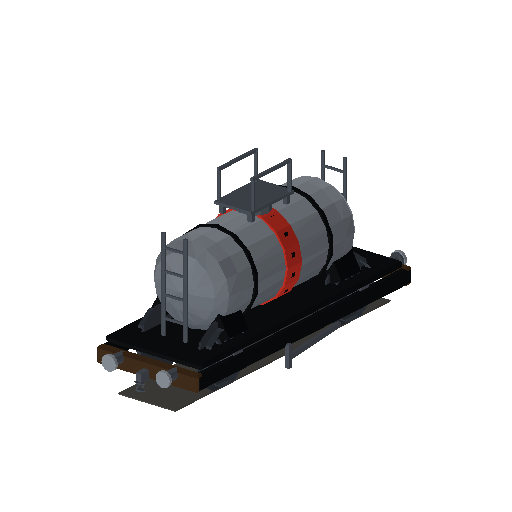
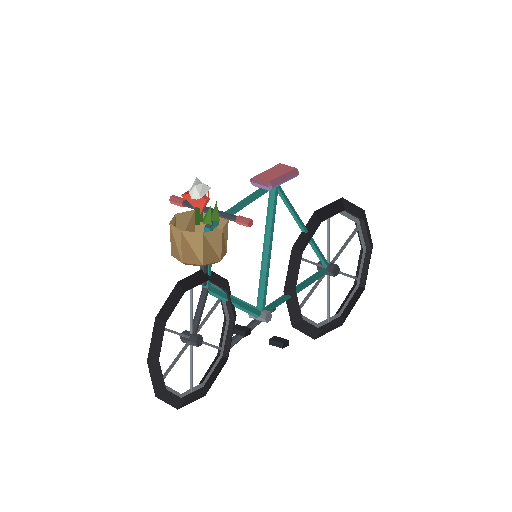
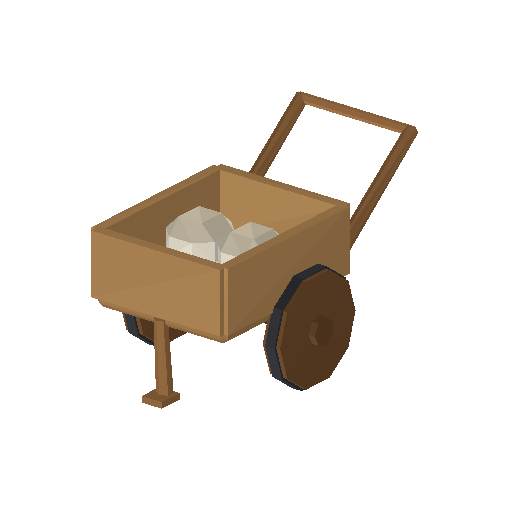
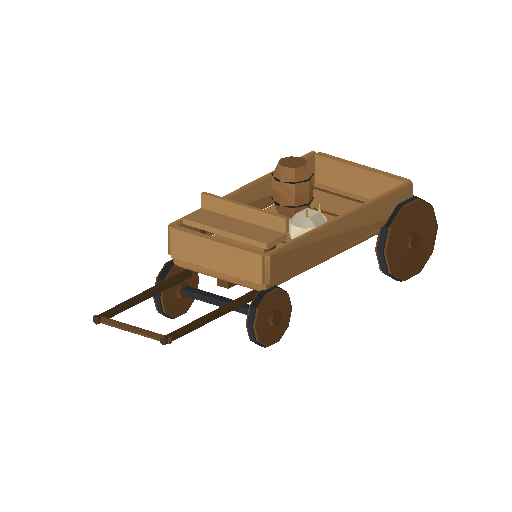
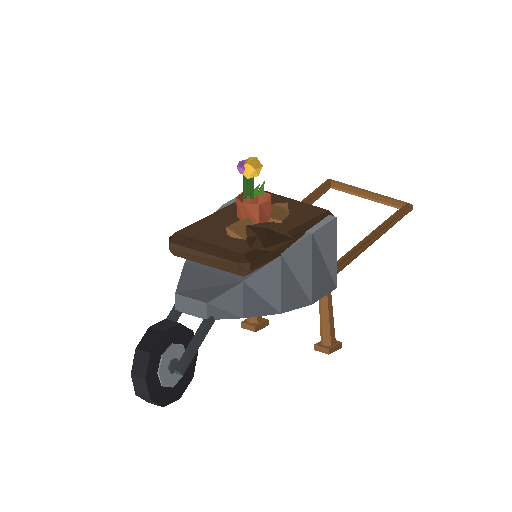
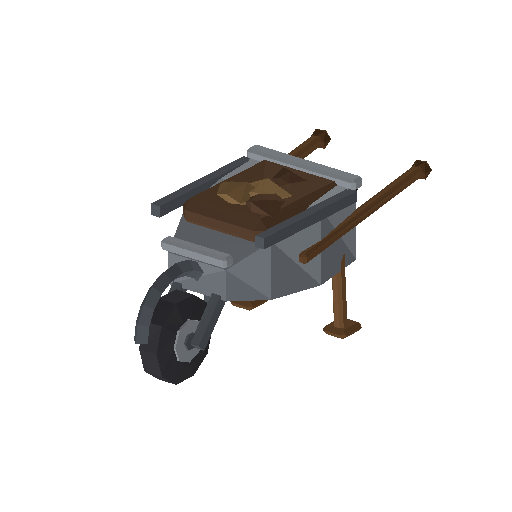
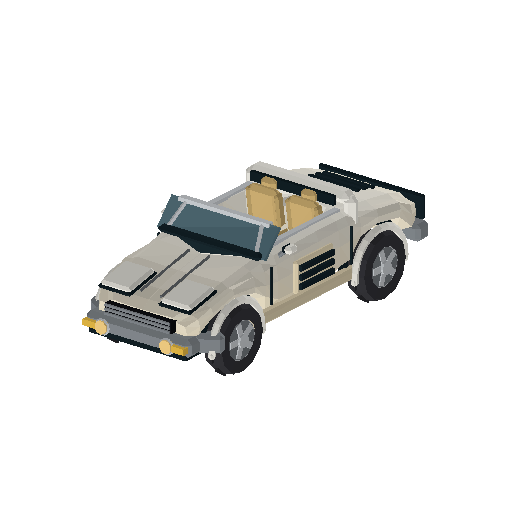
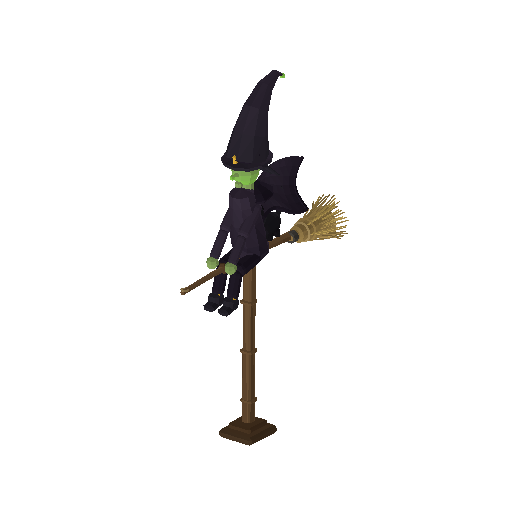
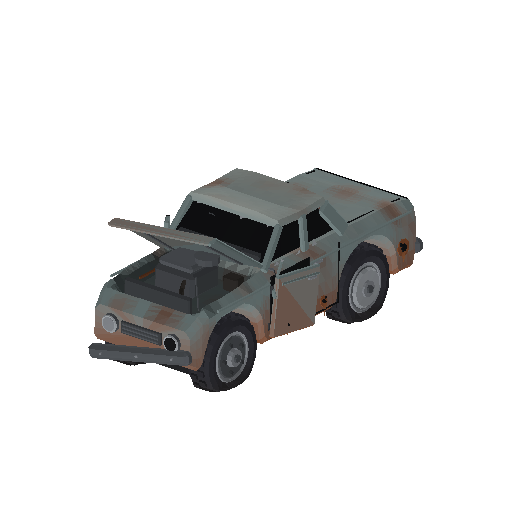
The vehicle collection is 72 models drawn from 12 published packs — ordinary street traffic alongside transport without an engine: carts, bicycles, a saddled dromedary and a Nile felucca. Choose the vehicle that fits the setting rather than a recolored placeholder. Recorded triangle counts span 564–19,968; recorded compressed file sizes span 4.5 KiB–114.4 KiB. Free vehicle models here: 26. The individual cards and pack links show the current selection and measurements for your scene budget.
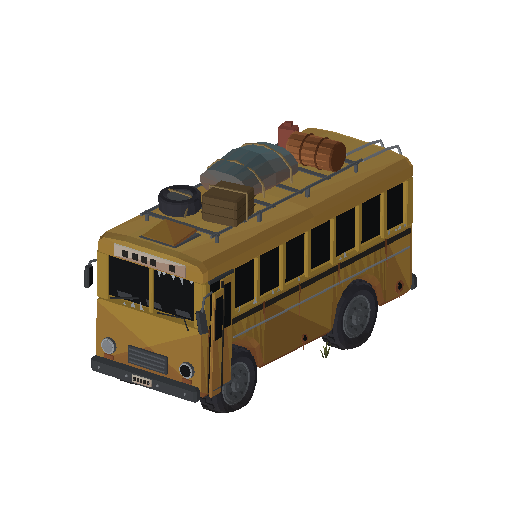
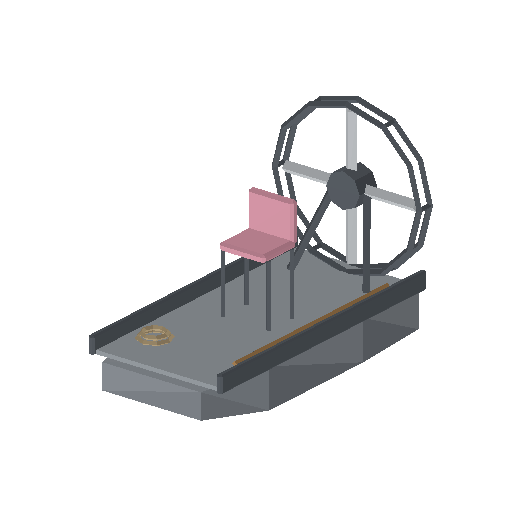
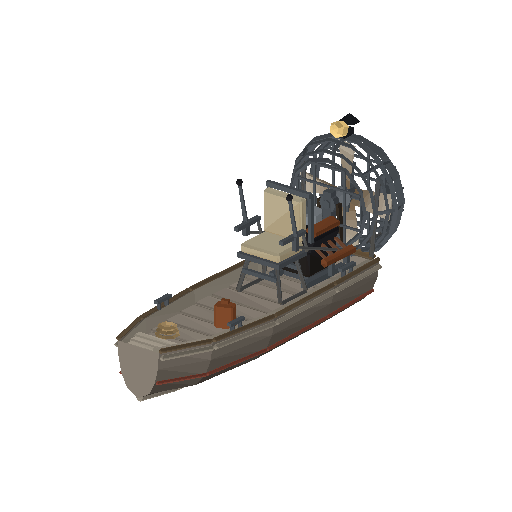
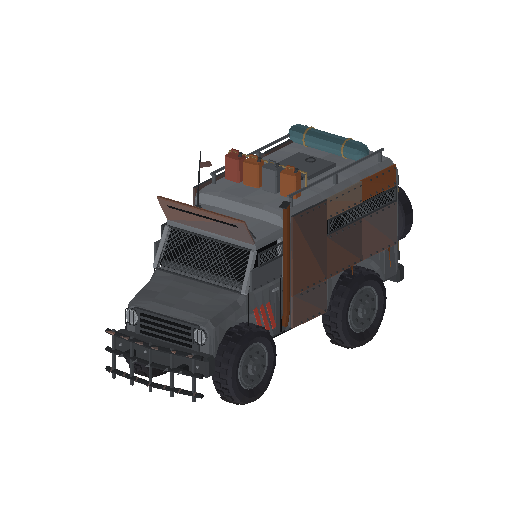
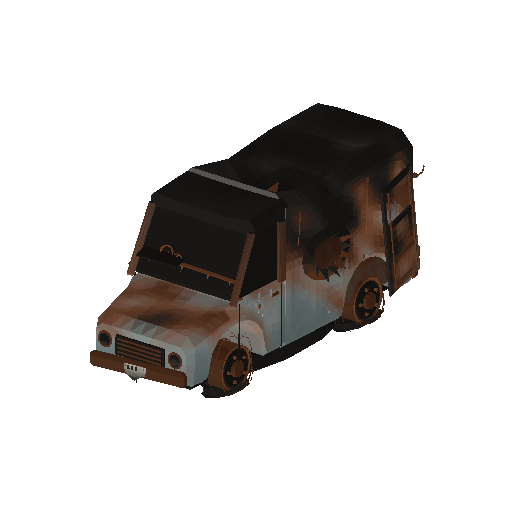
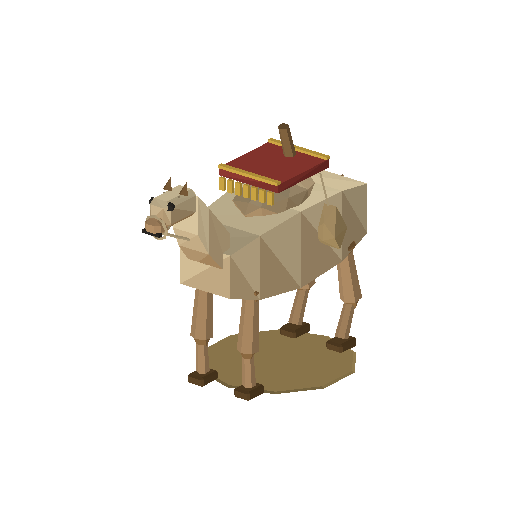
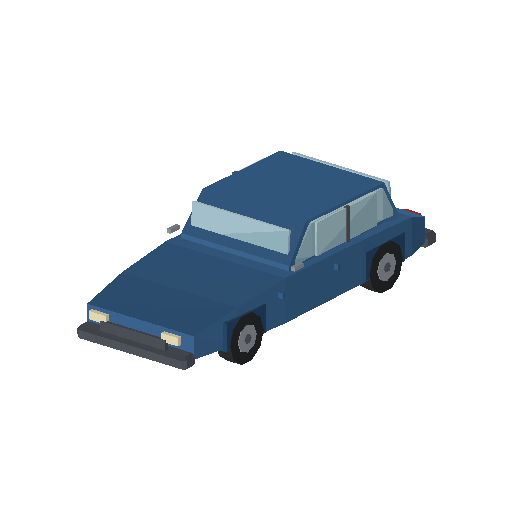
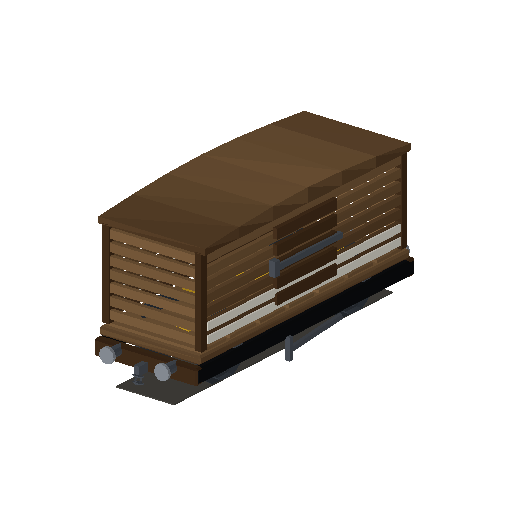
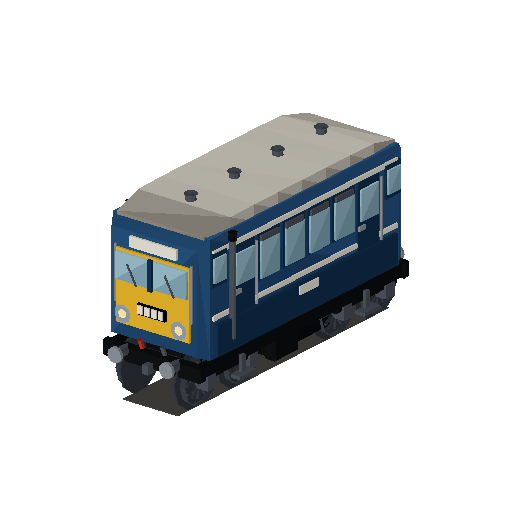
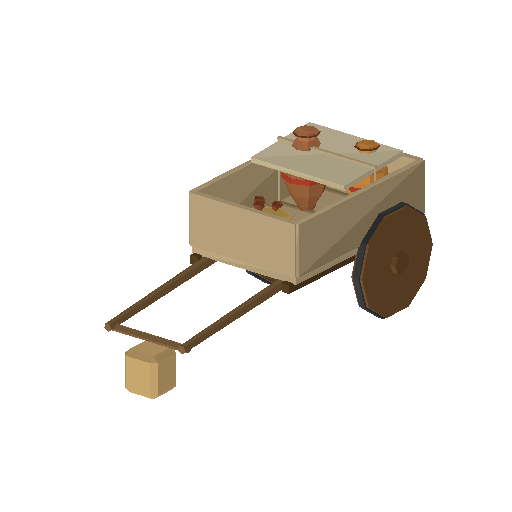
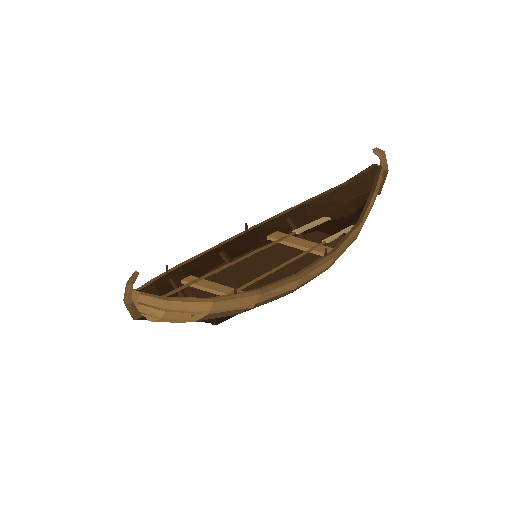
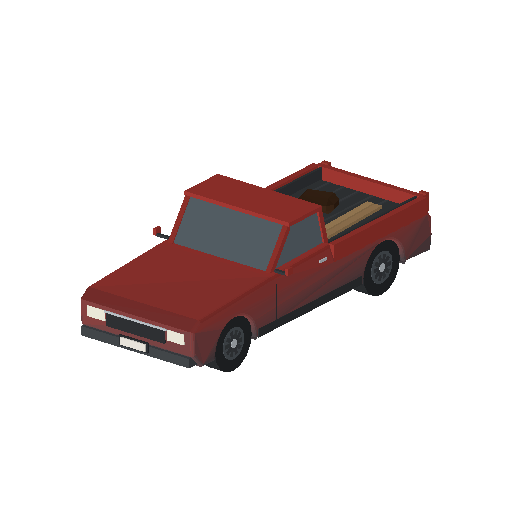
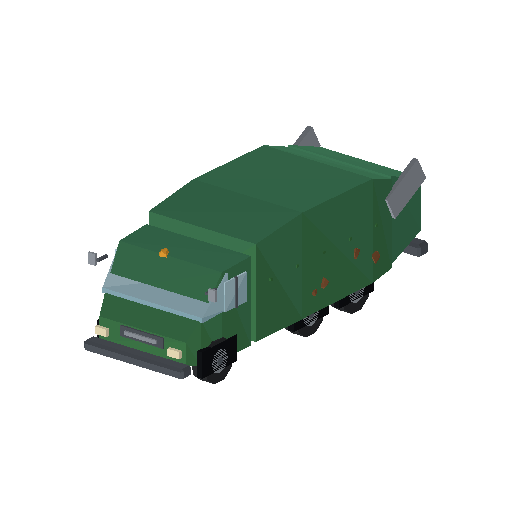
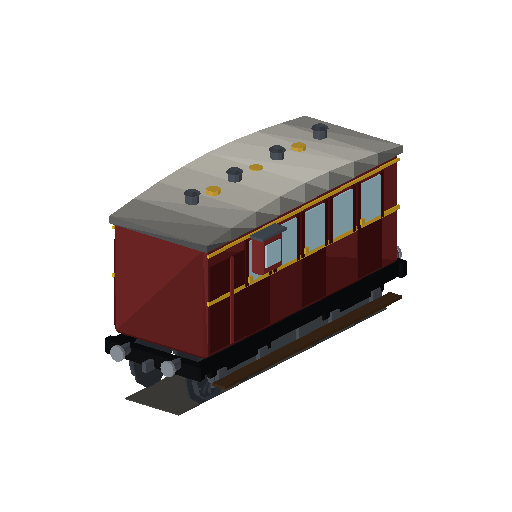
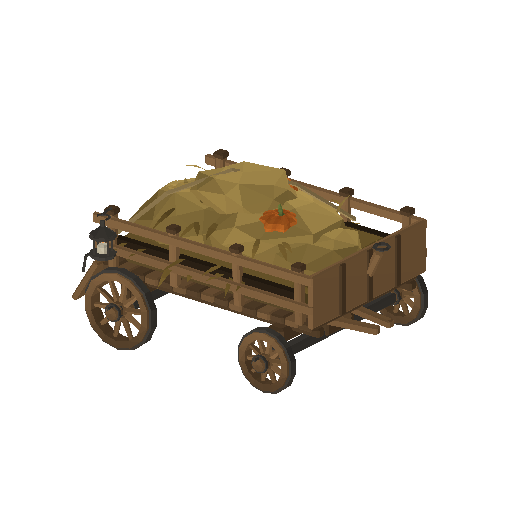
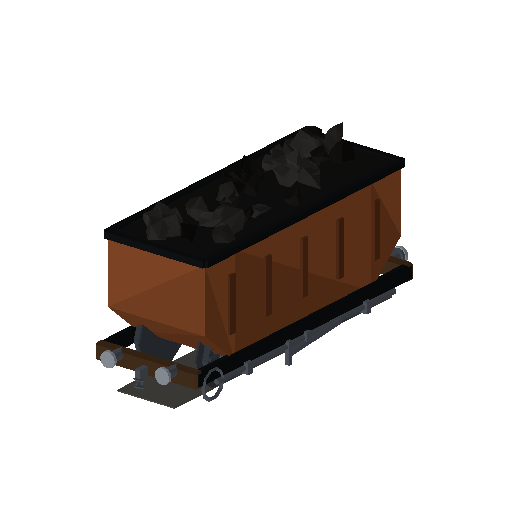
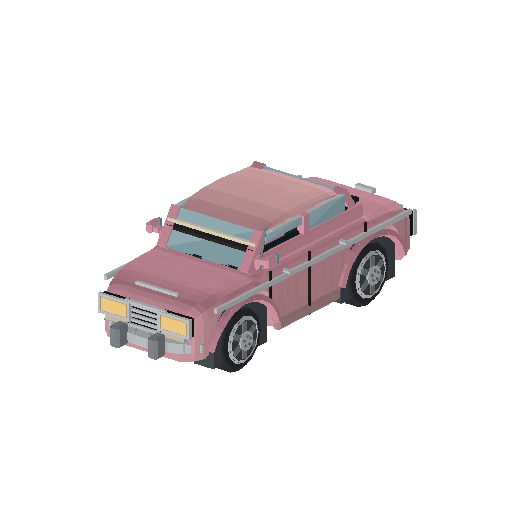
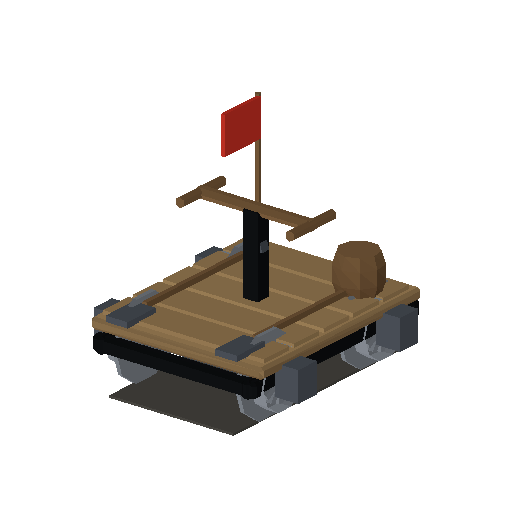
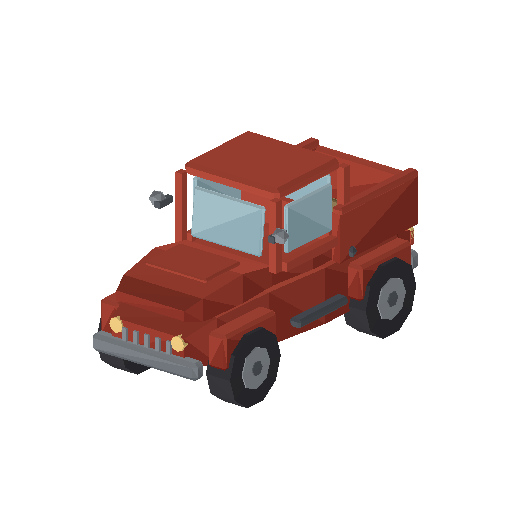
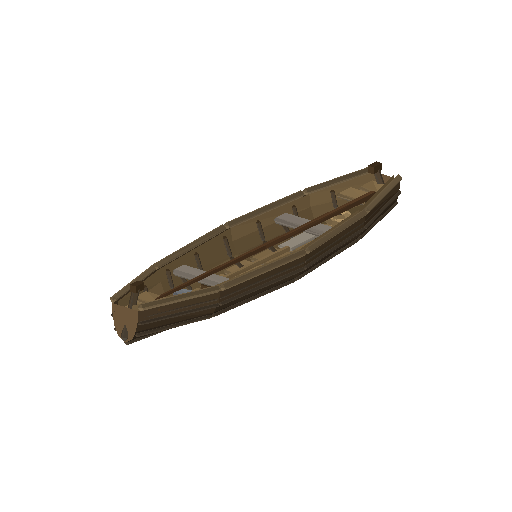
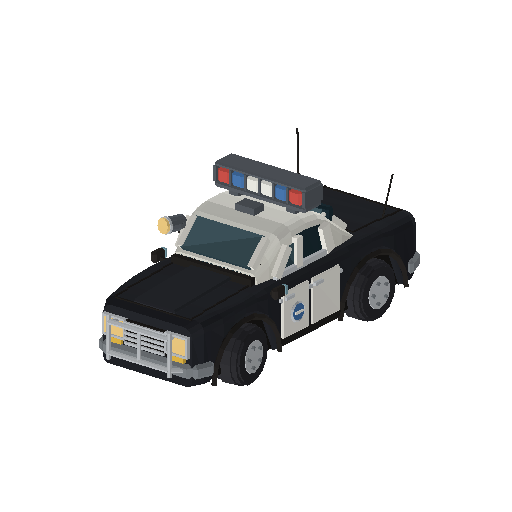
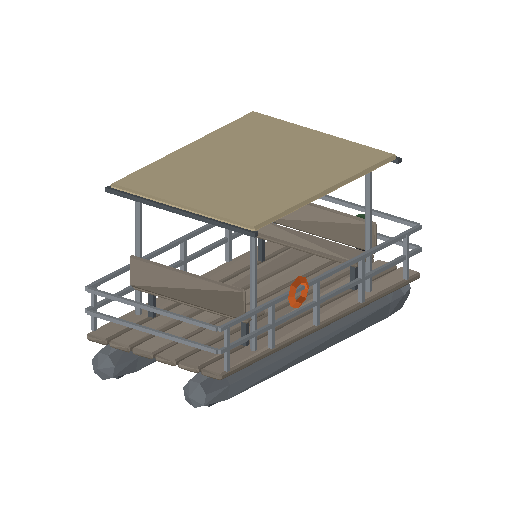
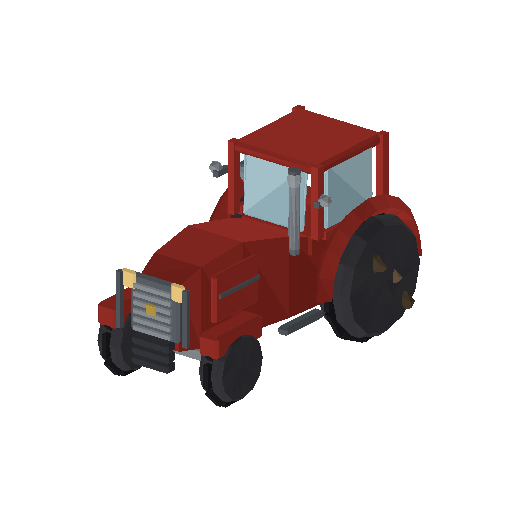
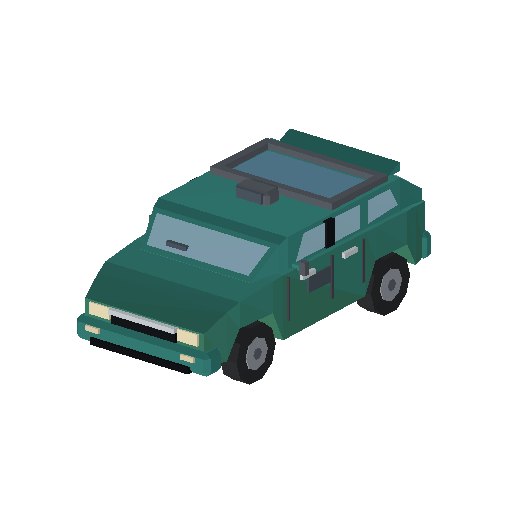
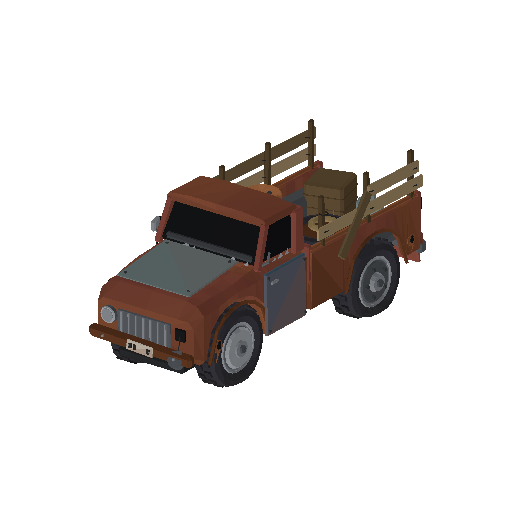
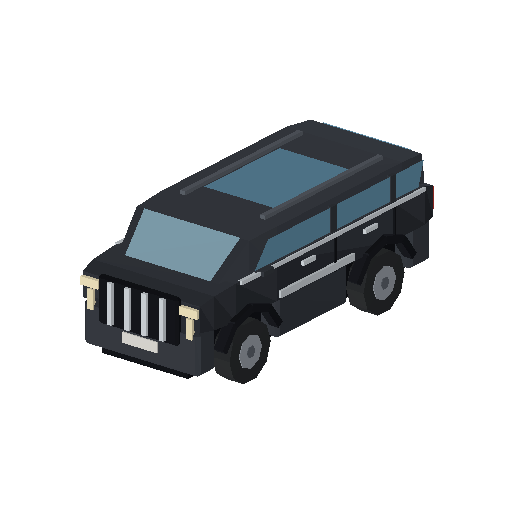
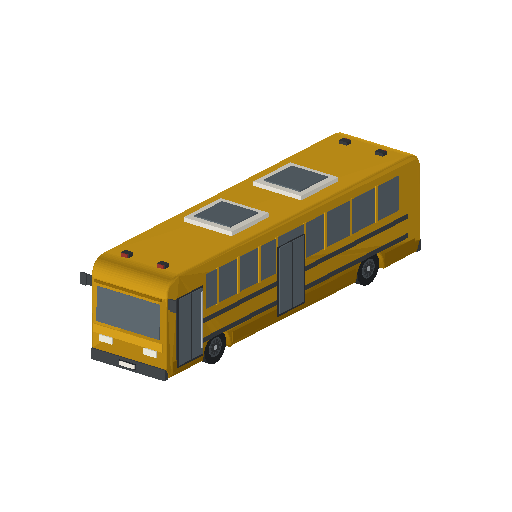
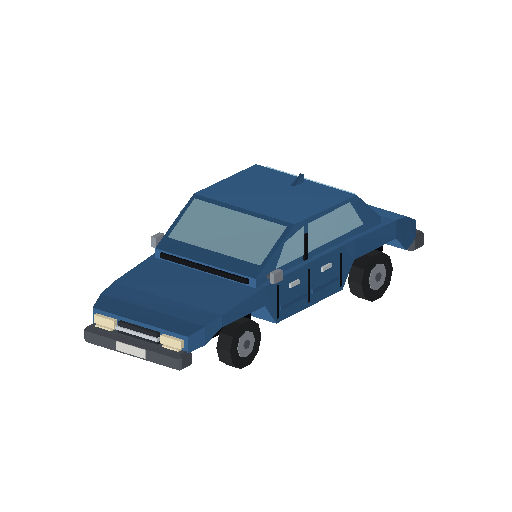
How the fleet is built
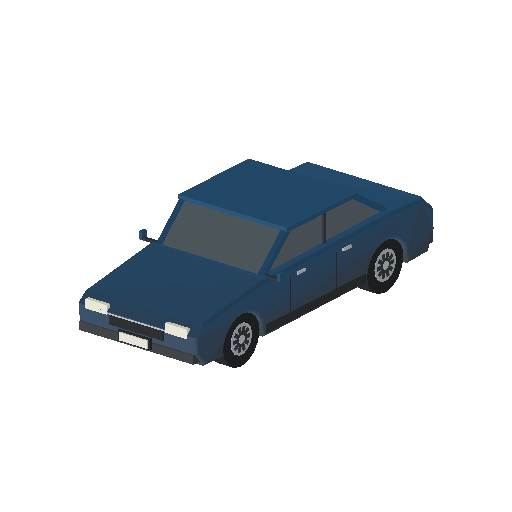
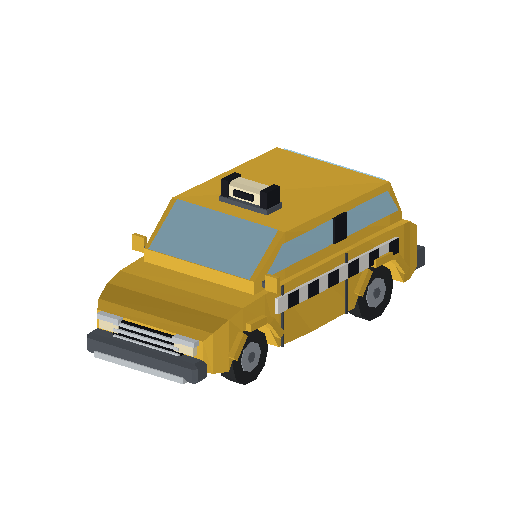
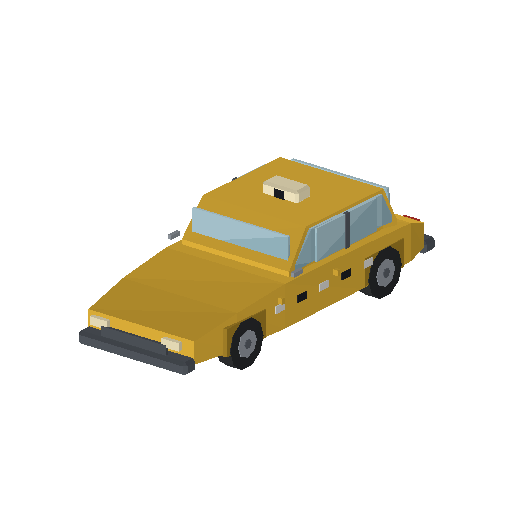
A taxi does not have to read as the same car parked twice. The City taxi shares its sedan hull in taxi yellow, with a checker door band and roof medallion, while the Metropolis taxi has its own arches, glasshouse and grille. Compare the previews when you want traffic to feel varied without changing the overall visual language.
Triangle budgets
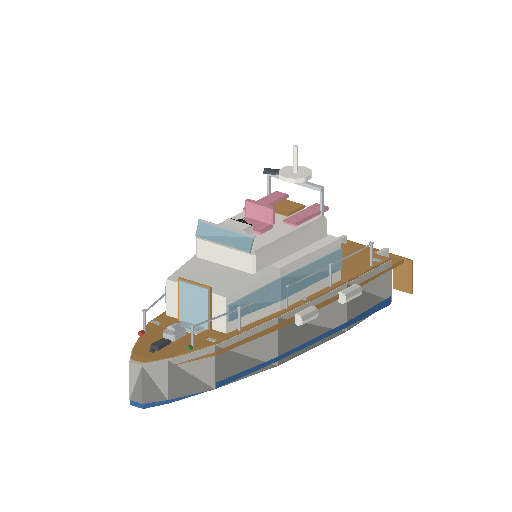
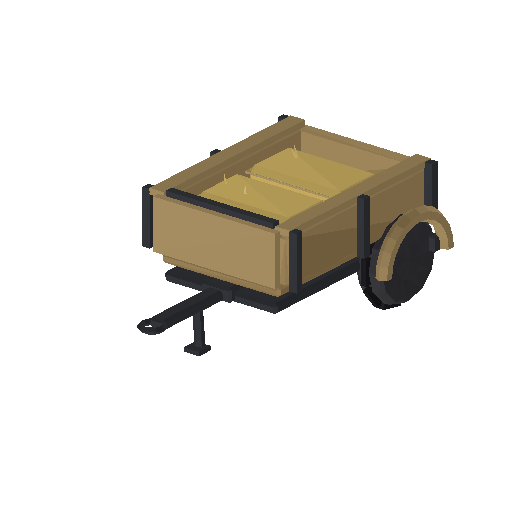
Triangle range: 564–19,968, with a median of 3,139. Compressed file size range: 4.5 KiB–114.4 KiB. A small hand cart, a bus and a sailing boat serve different purposes; budget for the vehicles your camera sees rather than treating every file as an interchangeable sedan.
Materials and editable deliverables
The original low-poly fleet uses palette-driven materials, with the pack bundle providing editable deliverables. Check the pack page for its GLBs, React Three Fiber components and palette files. Recoloring a vehicle and separating a wheel are different operations: a merged preview mesh does not promise individually addressable parts or animation tracks.
Placing a vehicle in the scene
Use the preview to compare the silhouette against the road and buildings before filling a car park. Check exact dimensions, pivot, ground contact and clearance in your scene or editor, under the camera angles you will use. The free filter currently contains 26 vehicle models. Choose a coordinated set when you need a fleet rather than one background prop.
Questions
Other collections
Packs feeding this hub
- City — 6 models in this collection
- Countryside Farm Kit — 5 models in this collection
- Cozy Village — 4 models in this collection
- Desert Kingdom — 4 models in this collection
- Halloween — 2 models in this collection
- Modular Metropolis — 6 models in this collection
- Railway — 18 models in this collection
- Suburban Neighborhood — 4 models in this collection
- Swamp & Bayou — 4 models in this collection
- Vice Beach — 9 models in this collection
- Viking Fjord — 4 models in this collection
- Wasteland — 6 models in this collection